x


 Bestel schilderij Koop afbeelding in hoge resolutie
 Verstuur
 Details bekijken
 Toevoegen aan favorieten
 Download
 Vergelijkbare werken
 Röntgenonderzoek
 Diavoorstelling
 Acryl op canvasWanddecoratieNorthern Mannerism
 1571Renaissance
 58.0 x 86.0 cm
 Museo Nazionale di Capodimonte
Giclée- of canvasafdruk van museumkwaliteit met snelle productie en flexibele afwerkingsopties.





























Kies uit onze vooraf ingestelde maten die overeenkomen met de originele verhoudingen van het kunstwerk.

U kunt uw eigen afmetingen opgeven om in een specifieke lijst of ruimte te passen. Als de door u gekozen maat niet overeenkomt met de proporties van het originele kunstwerk, zullen wij de afbeelding bijsnijden of uitbreiden met een gespiegelde of effen rand. Een digitaal mockup wordt ter goedkeuring naar u verzonden voordat de productie begint.
Houd er rekening mee dat de preview op het scherm de werkelijke bijsneding of uitbreiding niet weergeeft. Alleen de mockup toont de uiteindelijke compositie nauwkeurig.
Hoewel aangepaste maten beschikbaar zijn, raden wij aan een afmeting uit de vooraf bepaalde lijst te kiezen om de originele proporties te behouden.
Wereldwijde levering () binnen 2 weken in plaats van de standaard 4/5 weken. (20 juli)


Giulio Clovio
Afmetingen reproductie
Doménikos Theotokópoulos, universally known as El Greco, remains one of the most singularly captivating figures in Western art history. His canvases pulse with an almost unbearable intensity – a blend of Byzantine spirituality and fervent emotion that continues to resonate centuries later. Within his oeuvre, few portraits capture this unique spirit quite like “Giulio Clovio,” painted in 1571, a work commissioned by the influential Cardinal Alessandro Farnese during El Greco’s time in Rome. More than simply a likeness, this painting offers a profound glimpse into the world of Renaissance scholarship, artistic patronage, and the meticulous craftsmanship that defined the era.
The subject himself, Giulio Clovio (1498-1578), was a celebrated miniaturist, often dubbed “the Michelangelo of the miniature” by the esteemed Giorgio Vasari. His skill lay not in grand landscapes or dramatic narratives, but in the painstaking creation of incredibly detailed illuminated manuscripts – intricate works that demanded an unparalleled level of precision and artistic vision. Clovio’s influence on El Greco is immediately apparent; the artist subtly incorporates elements of Clovio's meticulous style into his depiction, most notably through the inclusion of a window backdrop reminiscent of Clovio’s own work. The painting’s historical context is rich: commissioned during a period of intense artistic and intellectual ferment in Rome, it speaks to the patronage system that fueled much of Renaissance creativity – a world where artists were employed by powerful figures like Farnese, shaping both art and culture.
“Giulio Clovio” is not merely a portrait; it’s a carefully constructed tableau brimming with symbolic detail. The subject himself, rendered in a dignified pose, holds his magnum opus – the “Farnese Hours,” a monumental illuminated manuscript that showcased Clovio's unparalleled skill. This inclusion isn’t accidental; it underscores Clovio’s importance and elevates the portrait to a celebration of artistic achievement. Beyond the central figure, subtle yet significant details populate the scene. Note the two birds perched near the top left corner and on the right side of the frame – these aren't mere decorative elements but likely represent concepts of wisdom and vigilance, frequently employed in Renaissance symbolism. The stormy sky glimpsed through the window adds a layer of depth and perhaps even foreshadows Clovio’s own life, marked by both triumph and adversity.
El Greco’s distinctive style is powerfully evident. His elongated forms, characteristic of his later work, lend a sense of dynamism to the portrait, while his use of vibrant colors – particularly in the rich fabrics of Clovio's robe – creates an immediate visual impact. The background, with its detailed landscape and dramatic sky, serves as a foil to the subject’s stillness, drawing the viewer’s eye and emphasizing the contrast between the man and his world. The painting exemplifies El Greco’s ability to imbue even a seemingly straightforward portrait with profound emotional resonance – a testament to his unique artistic vision.
“Giulio Clovio” stands as a pivotal work in El Greco's career, bridging the gap between his early Byzantine influences and his increasingly expressive style. It’s a painting that speaks volumes about the Renaissance fascination with both scholarship and artistry, demonstrating how these two realms could be intertwined within the patronage of powerful figures like Alessandro Farnese. The painting’s journey through history – from its initial commission to its current residence in the Museo Nazionale di Capodimonte – adds another layer of intrigue to its story.
Most-Famous-Paintings is proud to offer meticulously hand-painted reproductions of “Giulio Clovio,” capturing the essence of El Greco’s genius with unparalleled accuracy and detail. Each reproduction is created by skilled artists using traditional techniques, ensuring that you receive a faithful representation of this iconic masterpiece. Whether you're an art enthusiast, collector, or simply seeking to add a touch of Renaissance elegance to your home, our “Giulio Clovio” reproductions provide a beautiful and authentic way to experience the enduring legacy of El Greco. Explore additional works by El Greco on Most-Famous-Paintings.com – including "El Greco (Doménikos Theotokopoulos): Giulio Clovio" and "El Greco (Doménikos Theotokopoulos): Giulio Clovio" – for a deeper appreciation of his remarkable artistic journey.

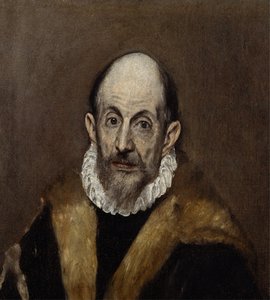
1541 - 1614 , Griekenland

Ontdek de top 25 meesterwerken van El Greco! Duik in het leven en werk van deze renaissance schilder, zijn spirituele kunst & dramatische stijl. Vind museumkwaliteit reproducties voor uw interieur op Most-Famous-Paintings.com.

Ontdek de top 25 meesterwerken uit het Metropolitan Museum of Art, New York! Van Van Gogh tot Monet – leer over kunstgeschiedenis en bewonder iconische schilderijen. Vind museumkwaliteit reproducties & interieurinspiratie op Most-Famous-Paintings.com.

Ontdek de top 10 portretten uit de kunstgeschiedenis! Van Rembrandt tot Mona Lisa, leer het verhaal achter iconische schilderijen en technieken. Vind uw perfecte reproductie voor een elegante interieurdecoratie op Most-Famous-Paintings.com.
Ontdek de top 25 meesterwerken van National Gallery Washington! Van Cézanne tot Picasso, leer het verhaal achter iconische kunst. Vind museumkwaliteit reproducties & interieurinspiratie op Most-Famous-Paintings.com.
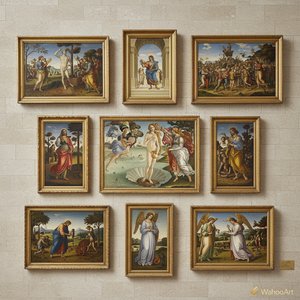
Ontdek de 10 grootste meesterwerken van de Vroege Renaissance! Lees over Leonardo da Vinci, Michelangelo & Botticelli. Laat u inspireren door Italiaanse kunst en koop museumkwaliteit reproducties voor uw interieur op Most-Famous-Paintings.com.


Blijf op de hoogte van het laatste kunstnieuws, exclusieve aanbiedingen en decoratie-ideeën.
Vertel ons over uw project en onze kunstexperts geven u 3 gepersonaliseerde kunstsuggesties.
Wij stellen 3 opties speciaal voor u samen – Gratis!


 Delen
Delen

 Lees meer







 De optie voor glas is alleen beschikbaar bij een formaat kleiner dan 110 cm.