x


 Preview
 Bestel schilderij Koop afbeelding in hoge resolutie
 Verstuur
 Details bekijken
 Toevoegen aan favorieten
 Download
 Vergelijkbare werken
 Röntgenonderzoek
 Diavoorstelling
 Acrylic On CanvasWallArtBaroque
 1610Renaissance
 70.0 x 62.0 cm
 Museo Nacional del Prado
Giclée- of canvasafdruk van museumkwaliteit met snelle productie en flexibele afwerkingsopties.





























Kies uit onze vooraf ingestelde maten die overeenkomen met de originele verhoudingen van het kunstwerk.

U kunt uw eigen afmetingen opgeven om in een specifieke lijst of ruimte te passen. Als de door u gekozen maat niet overeenkomt met de proporties van het originele kunstwerk, zullen wij de afbeelding bijsnijden of uitbreiden met een gespiegelde of effen rand. Een digitaal mockup wordt ter goedkeuring naar u verzonden voordat de productie begint.
Houd er rekening mee dat de preview op het scherm de werkelijke bijsneding of uitbreiding niet weergeeft. Alleen de mockup toont de uiteindelijke compositie nauwkeurig.
Hoewel aangepaste maten beschikbaar zijn, raden wij aan een afmeting uit de vooraf bepaalde lijst te kiezen om de originele proporties te behouden.
Wereldwijde levering () binnen 2 weken in plaats van de standaard 4/5 weken. (24 juli)


Jerónimo de Cevallos
Afmetingen reproductie
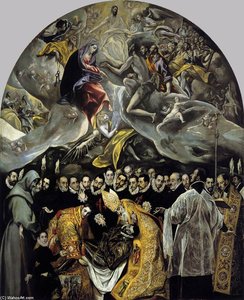
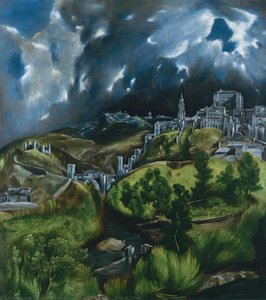
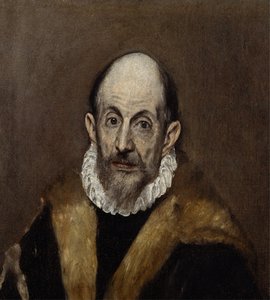
“Jerónimo de Cevallos” by El Greco is a captivating portrait executed in 1613 during his final years in Toledo, Spain. Measuring 70 x 62 cm and housed at the Museo del Prado, this oil on canvas piece exemplifies El Greco’s signature technique—tortuously elongated figures rendered with vibrant pigmentation that borders on hallucinatory intensity. The artist skillfully employs chiaroscuro, creating a dramatic contrast between light and dark to sculpt the subject's form and imbue it with palpable emotion.
Born in Crete around 1541, Doménikos Theotokópoulos embarked on a transformative artistic journey that began within the confines of Byzantine iconography. Trained rigorously in Constantinople’s monasteries, he mastered the conventions of Byzantine art—precise detail, symbolic color palettes rooted in theological significance, and an unwavering devotion to portraying spiritual ideals. However, El Greco's restless spirit propelled him eastward to Venice and Rome, where he absorbed the dynamism of Mannerism and the opulent splendor of the Venetian Renaissance.
El Greco’s stylistic choices were initially met with bewilderment by his contemporaries. Yet, his work resonated deeply with artists of subsequent generations—particularly those influenced by Romanticism—who recognized in it a profound expression of inner turmoil and spiritual yearning. The elongated figures, often depicted in poses that defy anatomical realism, serve as conduits for conveying psychological states—fear, sorrow, ecstasy—rather than merely representing physical likenesses. Furthermore, the dark background amplifies the luminosity of the subject’s flesh tones, creating an illusionistic depth that enhances the painting's dramatic impact.
The Museo del Prado, established in Madrid during the reign of Philip II, stands as one of Europe’s premier art museums—a repository of masterpieces spanning from the Gothic to the Romantic eras. El Greco’s “Jerónimo de Cevallos” occupies a prominent position within its collection, alongside other seminal works by Titian, Rubens and Velázquez. Its enduring appeal testifies to El Greco's genius as an artist who transcended stylistic boundaries and achieved a level of expressive power unmatched by his peers—a legacy that continues to inspire admiration and scholarly debate.

1541 - 1614 , Griekenland

Ontdek de top 25 meesterwerken van El Greco! Duik in het leven en werk van deze renaissance schilder, zijn spirituele kunst & dramatische stijl. Vind museumkwaliteit reproducties voor uw interieur op Most-Famous-Paintings.com.
Ontdek de 25 meest iconische schilderijen van Francisco Goya! Duik in zijn Spaanse romantiek, donkere kleuren & emotionele kracht. Museumkwaliteit reproducties voor jouw interieur op Most-Famous-Paintings.com.

APS ofrece reproducciones de bellas artes y encargos personalizados desde 2004. Confían en nosotros corporaciones, hoteles y coleccionistas selectos para obras de arte de calidad museística, servicio discreto y soluciones artísticas completas. ¡Póngase en contacto con nosotros para obtener un presupuesto personalizado!

Ontdek de top 10 portretten uit de kunstgeschiedenis! Van Rembrandt tot Mona Lisa, leer het verhaal achter iconische schilderijen en technieken. Vind uw perfecte reproductie voor een elegante interieurdecoratie op Most-Famous-Paintings.com.

Explore the captivating world of El Greco! Discover his unique style, spiritual intensity, and lasting impact on art history. Learn about this Renaissance master's life, iconic paintings & legacy.


Blijf op de hoogte van het laatste kunstnieuws, exclusieve aanbiedingen en decoratie-ideeën.
Vertel ons over uw project en onze kunstexperts geven u 3 gepersonaliseerde kunstsuggesties.
Wij stellen 3 opties speciaal voor u samen – Gratis!


 Delen
Delen

 Lees meer







 De optie voor glas is alleen beschikbaar bij een formaat kleiner dan 110 cm.