x

 Olieverf op paneelMannerism
 1570Renaissance
 41.0 x 47.0 cm
 Historical Museum of Crete
Giclée- of canvasafdruk van museumkwaliteit met een snelle productie en flexibele afwerkingsmogelijkheden. ( Bestel handgeschilderde reproductie Koop afbeelding)





























Kies uit onze vooraf ingestelde maten die overeenkomen met de originele verhoudingen van het kunstwerk.

U kunt uw eigen afmetingen opgeven om in een specifieke lijst of ruimte te passen. Als de door u gekozen maat niet overeenkomt met de proporties van het originele kunstwerk, zullen wij de afbeelding bijsnijden of uitbreiden met een gespiegelde of effen rand. Een digitaal mockup wordt ter goedkeuring naar u verzonden voordat de productie begint.
Houd er rekening mee dat de preview op het scherm de werkelijke bijsneding of uitbreiding niet weergeeft. Alleen de mockup toont de uiteindelijke compositie nauwkeurig.
Hoewel aangepaste maten beschikbaar zijn, raden wij aan een afmeting uit de vooraf bepaalde lijst te kiezen om de originele proporties te behouden.
Wereldwijde levering () binnen 2 weken in plaats van de standaard 4/5 weken. (17 augustus)


Mount Sinai
Afmetingen reproductie
El Greco’s Mount Sinai stands as a profoundly moving testament to the artist's singular vision—a convergence of Byzantine spirituality and burgeoning Renaissance realism. Completed around 1570, this oil-on-panel painting, measuring just 41 x 47 cm and currently housed in the Historical Museum of Crete in Iraklion, transcends mere landscape depiction; it’s a visceral portrayal of a pivotal religious event, imbued with an intensely personal and emotionally charged atmosphere. The work immediately captivates with its dramatic lighting, the elongated figures that define El Greco's signature style, and the unsettling presence of those anthropomorphic rocks dominating the foreground – elements that invite prolonged contemplation and reveal layers of symbolic meaning.
At first glance, the scene presents a rugged, almost desolate landscape. Three colossal boulders, each bearing a human-like face, command immediate attention. These aren’t simply geological formations; they are potent symbols, often interpreted as representations of the divine presence at Mount Sinai – a tangible manifestation of God's authority and engagement with humanity. The composition is carefully orchestrated to draw the viewer into this otherworldly space. The figures scattered throughout the scene—some standing in reverence near the rocks, others seemingly lost in contemplation—suggest a diverse group of pilgrims or witnesses to this momentous event. Two horses, rendered with a surprising degree of naturalism for El Greco’s style, add depth and movement to the composition, anchoring the scene within a tangible reality while simultaneously hinting at the epic scale of the narrative.
El Greco's artistic lineage is complex and fascinating. Trained in the rigorous traditions of Cretan icon painting—characterized by meticulous detail, vibrant colors, and a focus on religious iconography—he nevertheless embraced innovations emerging from Italy. Mount Sinai exemplifies this synthesis perfectly. The use of gold leaf, a hallmark of Byzantine art, is subtly incorporated into the background and highlights, lending an ethereal quality to the scene. However, the painting also reveals a sophisticated understanding of Renaissance techniques, particularly in the precise rendering of the rocks—a departure from the more generalized forms often found in his earlier works. The horses, with their detailed musculature and realistic proportions, demonstrate this influence, grounding the mystical elements within a believable naturalistic framework.
The subject matter itself—Mount Sinai—holds immense religious significance. It is here, according to both the Torah and the Quran, that Moses received the Ten Commandments from God, an event that fundamentally shaped Jewish and Christian theology. El Greco’s painting doesn't simply depict this historical moment; it captures its profound emotional weight. The scene resonates with a sense of awe and reverence, reflecting the gravity of receiving divine law. The inclusion of human figures—and even the unsettling faces on the rocks—underscores the connection between the sacred and the mundane, a recurring theme in El Greco’s oeuvre – a reminder that the divine is not distant but actively engaged within the world.
El Greco was a prolific artist whose work continues to fascinate and inspire. Beyond Mount Sinai, his other notable paintings include “Christ Healing the Blind” (available at /art/list/?Filter=8XX6SM-El-Greco-(Domenikos-Theotokopoulos)-Christ-Healing-the-Blind), a poignant depiction of Christ’s miraculous healing, and a series of apostles—"Apostle St Peter" and "Apostle St Simon" /art/list/?Filter=8XZGDE-El-Greco-(Domenikos-Theotokopoulos)-Apostle-St-Peter and /art/list/?Filter=8XZGDG-El-Greco-(Domenikos-Theotokopoulos)-Apostle-St-Simon)—each rendered with a dramatic intensity that is uniquely El Greco’s. Most-Famous-Paintings specializes in meticulously crafted, hand-painted oil reproduction reproductions of these masterpieces, ensuring that the spirit and artistry of El Greco's vision are faithfully preserved for generations to come.
For those seeking an authentic representation of this iconic work, Most-Famous-Paintings offers high-quality reproductions of Mount Sinai, capturing the painting’s dramatic lighting, symbolic details, and emotional depth with unparalleled accuracy. Visit https://Most-Famous-Paintings.com to discover more about El Greco's works and explore our collection of exquisite art reproductions.

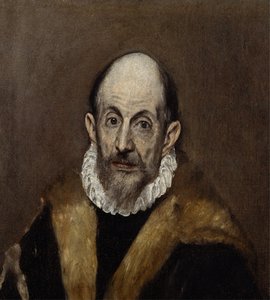
1541 - 1614 , Griekenland
Explore the dramatic transition from High Renaissance harmony to Mannerist tension. Discover how masters like El Greco redefined art through distortion and spiritual intensity. An expert guide for art enthusiasts seeking deep historical context and museum-quality inspiration.

Explore the dramatic evolution of Mannerism from High Renaissance perfection to El Greco's spiritual intensity. Discover the history, techniques, and enduring legacy of this transformative era through an expert art-history lens.


Blijf op de hoogte van het laatste kunstnieuws, exclusieve aanbiedingen en decoratie-ideeën.
Vertel ons over uw project en onze kunstexperts geven u 3 gepersonaliseerde kunstsuggesties.
Wij stellen drie opties speciaal voor u samen – gratis!


 Voorvertoning
 Verstuur
 Delen
Delen
 Details bekijken

 Download
 Vergelijkbare items
 Röntgenonderzoek
 Diavoorstelling
 Lees meer







 De optie voor glas is alleen beschikbaar bij een formaat kleiner dan 110 cm.