x

Met de hand geschilderd in olieverf op canvas in uw gewenste maat en lijst, op bestelling gemaakt door onze kunstenaars. ( Bestel print Koop afbeelding)





























Kies uit onze vooraf ingestelde maten die overeenkomen met de originele verhoudingen van het kunstwerk.

U kunt uw eigen afmetingen invoeren om in een specifieke lijst of ruimte te passen. Als de door u gekozen maat niet overeenkomt met de verhoudingen van het originele beeld, zullen we het kunstwerk bijsnijden of het schilderij uitbreiden met extra handgeschilderde elementen. Een digitale mockup wordt ter goedkeuring naar u verzonden voordat de productie begint.
Houd er rekening mee dat de preview op het scherm niet de werkelijke uitsnede of uitbreiding weergeeft. Alleen de mockup toont de uiteindelijke compositie nauwkeurig.
Hoewel aangepaste afmetingen mogelijk zijn, raden we aan een maat uit de vooraf gedefinieerde lijst te selecteren om de originele verhoudingen te behouden.
Wereldwijde levering () binnen 3 tot 4 weken in plaats van de standaard 5 weken. (19 augustus). Zonder concessies aan de kwaliteit.


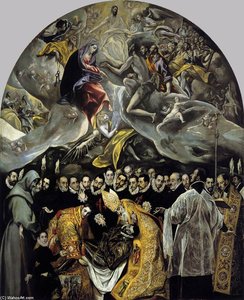
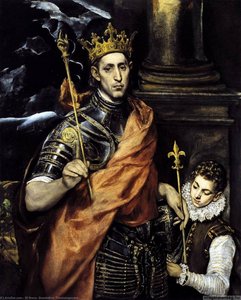
st. ildefonso
Afmetingen reproductie
In the quiet, hallowed atmosphere of El Greco’s St. Ildefonso, the viewer is not merely observing a portrait but is invited into a profound moment of spiritual communion. Created during the artist's mature period in Toledo, this masterpiece captures the essence of a saint whose life was defined by unwavering faith and intellectual rigor. The central figure, St. Ildefonso, sits with a serene yet heavy solemnity, his presence commanding the space around him. As he rests at a table laden with scholarly documents, the painting transcends simple portraiture to become a meditation on the intersection of human intellect and divine inspiration. For the discerning collector or lover of classical art, this work offers more than visual beauty; it provides a window into the very soul of the Spanish Renaissance.
The artistry of El Greco is nowhere more evident than in his masterful command of Mannerist techniques. The figure of the saint possesses that signature elongated grace, a stylistic choice that serves to pull the viewer's gaze upward, symbolizing the aspiration toward the heavens. Through the meticulous application of glazing, El Greco achieves a luminous quality, where light does not simply hit the surface but seems to emanate from within the skin and fabric of the subject itself. This interplay of chiaroscuro—the dramatic tension between deep, velvety shadows and brilliant, ethereal highlights—sculpts the saint's features with an emotional intensity that is both haunting and deeply moving.
Every element within the composition of St. Ildefonso has been carefully orchestrated to reinforce its theological depth. The papers and books scattered across the table are not mere props; they represent the saint's role as a scholar and a defender of the faith, grounding his spiritual ecstasy in the tangible world of study and administration. The dark, somber robes of the figure provide a stark, dramatic contrast to the subtle, golden radiance that permeates the scene, creating a visual metaphor for the light of God piercing through the shadows of earthly existence. This balance of weight and light makes the painting an extraordinary focal point for any sophisticated interior, offering a sense of gravitas and timelessness.
To possess or display a reproduction of this work is to bring a piece of Toledo's historical grandeur into one's own space. The painting reflects a period of fervent piety and artistic innovation, where the boundaries between the physical and the metaphysical were beautifully blurred. Whether placed in a curated gallery setting or as a centerpiece in a thoughtfully designed study, St. Ildefonso continues to resonate with its ability to evoke contemplation, peace, and a sense of historical wonder. It remains an enduring testament to El Greco's unique ability to capture the intangible essence of the divine through the medium of oil and canvas.
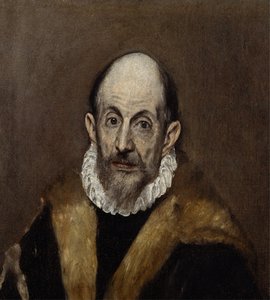
1541 - 1614 , Griekenland
Explore the dramatic transition from High Renaissance harmony to Mannerist tension. Discover how masters like El Greco redefined art through distortion and spiritual intensity. An expert guide for art enthusiasts seeking deep historical context and museum-quality inspiration.

Explore the profound elegance of Baroque Classicism. Discover how 17th-century masters synthesized dramatic emotion with classical order through the lens of the Counter-Reformation and the works of legends like Carlo Maratta and Andrea Sacchi.

Explore the dramatic power of Baroque art through an expert guide to light, shadow, and emotion. Discover how the Counter-Reformation shaped 17th-century masterpieces and learn about the profound techniques used by the Old Masters to inspire awe.

Explore the dramatic evolution from Mannerist distortion to Baroque grandeur. Discover how light, shadow, and emotion redefined art history through a masterclass in technical mastery and religious fervor.

Explore the profound differences between Baroque drama and Rococo elegance. Our expert guide delves into art history, chiaroscuro, and the evolution of European masterpieces for collectors and enthusiasts seeking deep historical context.


Blijf op de hoogte van het laatste kunstnieuws, exclusieve aanbiedingen en decoratie-ideeën.
Vertel ons over uw project en onze kunstexperts geven u 3 gepersonaliseerde kunstsuggesties.
Wij stellen drie opties speciaal voor u samen – gratis!


 Voorvertoning
 Verstuur
 Delen
Delen
 Details bekijken

 Download
 Vergelijkbare items
 Röntgenonderzoek
 Diavoorstelling

 Lees meer







 De optie voor glas is alleen beschikbaar bij een formaat kleiner dan 110 cm.