


x

 Oil On CanvasWallArtMannerism/Expressionism
 1600High Medieval
 108.0 x 89.0 cm
 Metropolitan Museum of Art
Giclée- of canvasafdruk van museumkwaliteit met een snelle productie en flexibele afwerkingsmogelijkheden. ( Bestel handgeschilderde reproductie Koop afbeelding)





























Kies uit onze vooraf ingestelde maten die overeenkomen met de originele verhoudingen van het kunstwerk.

U kunt uw eigen afmetingen opgeven om in een specifieke lijst of ruimte te passen. Als de door u gekozen maat niet overeenkomt met de proporties van het originele kunstwerk, zullen wij de afbeelding bijsnijden of uitbreiden met een gespiegelde of effen rand. Een digitaal mockup wordt ter goedkeuring naar u verzonden voordat de productie begint.
Houd er rekening mee dat de preview op het scherm de werkelijke bijsneding of uitbreiding niet weergeeft. Alleen de mockup toont de uiteindelijke compositie nauwkeurig.
Hoewel aangepaste maten beschikbaar zijn, raden wij aan een afmeting uit de vooraf bepaalde lijst te kiezen om de originele proporties te behouden.
Wereldwijde levering () binnen 2 weken in plaats van de standaard 4/5 weken. (22 augustus)


St Jerome as a Scholar
Afmetingen reproductie
Doménikos Theotokópoulos, universally known as El Greco – “the Greek” – remains one of the most enigmatic and profoundly influential figures in art history. Born on the island of Crete in 1541, his artistic journey took him through Venice, Rome, and ultimately to Toledo, Spain, where he forged a style that defied easy categorization yet resonated with an unparalleled intensity. El Greco’s work wasn't merely about depicting scenes; it was about channeling emotion, imbuing religious subjects with a deeply personal and often turbulent spirit. Among his vast oeuvre, “St. Jerome as a Scholar” (circa 1600), now housed in the Metropolitan Museum of Art, stands as a particularly compelling example of this unique vision – a masterful synthesis of Byzantine tradition, Mannerist elegance, and a burgeoning sense of dramatic expression.
The painting immediately captivates with its arresting composition and the saint’s profoundly contemplative presence. St. Jerome, the revered biblical translator and hermit, is rendered in a manner that is both strikingly individual and deeply rooted in his artistic lineage. He's not depicted as a serene, idealized figure of piety; instead, he embodies a man wrestling with intellectual pursuits, his brow furrowed in concentration as he pores over a weighty tome. The elongated proportions characteristic of El Greco’s style – the subtly stretched limbs, the dramatically arched features – contribute to an atmosphere of heightened emotion and psychological intensity. The use of color is equally arresting: deep reds dominate the robes, conveying both the authority of his position as Cardinal and a sense of passionate devotion, while the stark white of his beard and the muted tones of the background create a powerful contrast that draws the eye directly to the central figure.
“St. Jerome as a Scholar” is rich in symbolic detail, offering a window into the artist’s understanding of religious iconography and his own personal beliefs. The open book, held firmly in St. Jerome's hand, is, of course, the most obvious symbol – representing his monumental task of translating the Bible into Latin, a work that profoundly shaped Western Christianity. However, the painting goes beyond this simple representation. Surrounding him are carefully chosen objects that further illuminate his scholarly pursuits: a quill pen resting on the desk, a small inkwell, and scattered scrolls suggest the meticulous process of intellectual labor. The inclusion of a globe – a relatively rare element in Renaissance art – hints at St. Jerome’s role as a scholar engaged with the wider world and its knowledge. The setting itself is significant; the dimly lit study, reminiscent of a monastic cell, evokes a sense of seclusion and dedicated contemplation.
El Greco’s influence extends far beyond his own time, foreshadowing developments in art movements that would emerge centuries later. His dramatic use of color, distorted figures, and emotionally charged compositions anticipated the expressive tendencies of Expressionism, while his fragmented forms and unconventional perspectives paved the way for Cubism. Furthermore, El Greco's work demonstrates a deep understanding of psychological realism—he doesn’t simply depict a saint; he portrays a man grappling with faith, doubt, and the weight of intellectual responsibility. This exploration of inner experience was remarkably innovative for its time.
Most-Famous-Paintings offers meticulously crafted hand-painted reproductions of “St. Jerome as a Scholar,” allowing you to bring this extraordinary artwork into your home or office. Our skilled artists replicate El Greco’s unique style with the utmost care, capturing not only the visual details but also the emotional depth and spiritual intensity of the original painting. Whether you are an art enthusiast, a collector, or simply seeking a stunning piece of décor, our reproductions provide an authentic and beautiful representation of this iconic masterpiece. Explore our collection today and experience the enduring power of El Greco’s vision.
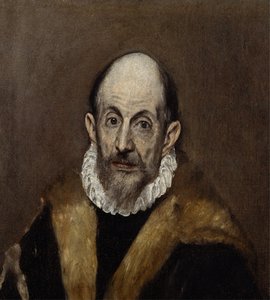
1541 - 1614 , Griekenland
Explore the dramatic transition from High Renaissance harmony to Mannerist tension. Discover how masters like El Greco redefined art through distortion and spiritual intensity. An expert guide for art enthusiasts seeking deep historical context and museum-quality inspiration.

Explore the dramatic evolution of Mannerism from High Renaissance perfection to El Greco's spiritual intensity. Discover the history, techniques, and enduring legacy of this transformative era through an expert art-history lens.

Explore the dramatic evolution from Mannerist distortion to Baroque grandeur. Discover how light, shadow, and emotion redefined art history through a masterclass in technical mastery and religious fervor.


Blijf op de hoogte van het laatste kunstnieuws, exclusieve aanbiedingen en decoratie-ideeën.
Vertel ons over uw project en onze kunstexperts geven u 3 gepersonaliseerde kunstsuggesties.
Wij stellen drie opties speciaal voor u samen – gratis!


 Voorvertoning
 Verstuur
 Delen
Delen
 Details bekijken

 Download
 Vergelijkbare items
 Röntgenonderzoek
 Diavoorstelling
 Lees meer







 De optie voor glas is alleen beschikbaar bij een formaat kleiner dan 110 cm.


