x

 Acrylic On CanvasWallArtLate Mannerism
 1597
1597 114.0 x 67.0 cm
 Museo Thyssen-Bornemisza
Met de hand geschilderd in olieverf op canvas in uw gewenste maat en lijst, op bestelling gemaakt door onze kunstenaars. ( Bestel print Koop afbeelding)





























Kies uit onze vooraf ingestelde maten die overeenkomen met de originele verhoudingen van het kunstwerk.

U kunt uw eigen afmetingen invoeren om in een specifieke lijst of ruimte te passen. Als de door u gekozen maat niet overeenkomt met de verhoudingen van het originele beeld, zullen we het kunstwerk bijsnijden of het schilderij uitbreiden met extra handgeschilderde elementen. Een digitale mockup wordt ter goedkeuring naar u verzonden voordat de productie begint.
Houd er rekening mee dat de preview op het scherm niet de werkelijke uitsnede of uitbreiding weergeeft. Alleen de mockup toont de uiteindelijke compositie nauwkeurig.
Hoewel aangepaste afmetingen mogelijk zijn, raden we aan een maat uit de vooraf gedefinieerde lijst te selecteren om de originele verhoudingen te behouden.
Wereldwijde levering () binnen 3 tot 4 weken in plaats van de standaard 5 weken. (18 augustus). Zonder concessies aan de kwaliteit.


The Annunciation
Afmetingen reproductie
El Greco's "The Annunciation," painted in 1597, isn’t merely a depiction of a biblical event; it’s an intensely felt experience. This masterpiece, measuring a modest 114 x 67 cm, pulsates with the artist’s unique vision – a synthesis of Byzantine rigor and a burgeoning emotionalism that would foreshadow movements centuries later. Born in Crete, Doménikos Theotokópoulos, known as El Greco, spent his formative years steeped in the traditions of Eastern Orthodox art, absorbing its meticulous detail and profound spiritual depth. Yet, he never remained confined by these roots. Toledo, Spain, became his adopted home, a city brimming with religious fervor and offering a fertile ground for his artistic evolution.
The scene itself is arresting: Mary, kneeling in humble reverence, receives the momentous news from the radiant angel Gabriel. The composition immediately draws the eye to the figures, rendered with an almost sculptural quality – elongated limbs, dramatically foreshortened perspectives, and faces imbued with a palpable sense of emotion. El Greco’s signature style—characterized by vibrant color palettes, swirling drapery, and a deliberate distortion of form—is powerfully evident here. He doesn't aim for photographic realism; instead, he seeks to convey the *feeling* of the event, the overwhelming weight of divine revelation.
El Greco’s masterful use of color is central to the painting’s impact. The cool blues and purples dominating Mary's garments contrast sharply with the golden hues surrounding Gabriel, emphasizing his celestial status. Notice how he employs a technique known as *sfumato*, subtly blurring edges and creating an atmospheric haze that lends the scene an ethereal quality. This isn’t simply decorative; it contributes to the overall sense of otherworldly grace. The lighting is equally dramatic – a single, powerful beam illuminates Mary and Gabriel, casting long shadows and highlighting their expressions of awe and surprise.
Technically, El Greco employed oil paints on panel, a medium that allowed for rich color saturation and layering of textures. His brushwork is energetic and expressive, particularly in the swirling folds of the drapery and the intricate details of the angel’s wings. He built up his paint in multiple layers, creating a luminous surface that seems to glow from within. This meticulous approach, combined with his innovative use of perspective and color, distinguishes “The Annunciation” as a truly groundbreaking work.
Beyond the immediate depiction of the Annunciation, the painting is rich in symbolic meaning. The musical instruments – a violin and harp – are not merely decorative additions; they represent the music of heaven, suggesting that this divine revelation will be accompanied by praise and song. The archangel, often depicted with wings outstretched, symbolizes God’s boundless grace and his willingness to bestow blessings upon humanity. Mary's posture—kneeling in humility—underscores her acceptance of God’s will.
Furthermore, the setting itself is significant. The sparse background emphasizes the central figures, drawing attention to their spiritual encounter. The muted colors and lack of elaborate architectural details contribute to a sense of intimacy and immediacy, as if we are privileged witnesses to this momentous event.
"The Annunciation" transcends its religious subject matter to become a profound meditation on faith, humility, and the encounter with the divine. El Greco’s ability to infuse his paintings with such raw emotion is what continues to captivate viewers centuries later. This reproduction captures not only the visual details of the original but also the spirit of wonder and reverence that it embodies. It's a piece perfect for adorning a prayer room, a study, or any space where contemplation and spiritual connection are valued. Most-Famous-Paintings offers exceptional quality reproductions, ensuring you experience the full power and beauty of this iconic work by one of art history’s most singular figures.
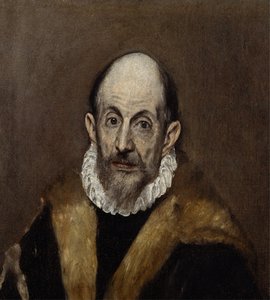
1541 - 1614 , Griekenland
Explore the dramatic transition from High Renaissance harmony to Mannerist tension. Discover how masters like El Greco redefined art through distortion and spiritual intensity. An expert guide for art enthusiasts seeking deep historical context and museum-quality inspiration.

Explore the profound elegance of Baroque Classicism. Discover how 17th-century masters synthesized dramatic emotion with classical order through the lens of the Counter-Reformation and the works of legends like Carlo Maratta and Andrea Sacchi.

Explore the dramatic evolution from Mannerist distortion to Baroque grandeur. Discover how light, shadow, and emotion redefined art history through a masterclass in technical mastery and religious fervor.

Explore the profound differences between Baroque drama and Rococo elegance. Our expert guide delves into art history, chiaroscuro, and the evolution of European masterpieces for collectors and enthusiasts seeking deep historical context.

Explore the profound drama of 17th-century Baroque art. Discover how masters used chiaroscuro, movement, and emotional intensity to redefine history through the lens of the Counter-Reformation. An expert guide for art historians and collectors seeking deep cultural insight.


Blijf op de hoogte van het laatste kunstnieuws, exclusieve aanbiedingen en decoratie-ideeën.
Vertel ons over uw project en onze kunstexperts geven u 3 gepersonaliseerde kunstsuggesties.
Wij stellen drie opties speciaal voor u samen – gratis!


 Voorvertoning
 Verstuur
 Delen
Delen
 Details bekijken

 Download
 Vergelijkbare items
 Röntgenonderzoek
 Diavoorstelling
 Lees meer







 De optie voor glas is alleen beschikbaar bij een formaat kleiner dan 110 cm.