x


 Bestel schilderij Koop afbeelding in hoge resolutie
 Verstuur
 Details bekijken
 Toevoegen aan favorieten
 Download
 Vergelijkbare werken
 Röntgenonderzoek
 Diavoorstelling
Giclée- of canvasafdruk van museumkwaliteit met snelle productie en flexibele afwerkingsopties.





























Kies uit onze vooraf ingestelde maten die overeenkomen met de originele verhoudingen van het kunstwerk.

U kunt uw eigen afmetingen opgeven om in een specifieke lijst of ruimte te passen. Als de door u gekozen maat niet overeenkomt met de proporties van het originele kunstwerk, zullen wij de afbeelding bijsnijden of uitbreiden met een gespiegelde of effen rand. Een digitaal mockup wordt ter goedkeuring naar u verzonden voordat de productie begint.
Houd er rekening mee dat de preview op het scherm de werkelijke bijsneding of uitbreiding niet weergeeft. Alleen de mockup toont de uiteindelijke compositie nauwkeurig.
Hoewel aangepaste maten beschikbaar zijn, raden wij aan een afmeting uit de vooraf bepaalde lijst te kiezen om de originele proporties te behouden.
Wereldwijde levering () binnen 2 weken in plaats van de standaard 4/5 weken. (22 juli)


the risen christ
Afmetingen reproductie
El Greco's “The Risen Christ,” a work rendered in stark monochrome, isn’t merely a depiction of a biblical event; it’s an intensely felt meditation on faith, vulnerability, and the profound drama of resurrection. Born Doménikos Theotokópoulos in Crete around 1541, El Greco forged a uniquely powerful style that defied easy categorization, blending Byzantine tradition with Italian Mannerism and a deeply personal spiritual vision. This particular image, likely created between 1608 and 1614 during his time in Toledo, Spain, captures the essence of this distinctive approach – a deliberate stripping away of color to amplify form, emotion, and the sheer physicality of the subject.
The painting immediately commands attention with its dramatic composition. A full-length figure dominates the frame, positioned in profile facing right, his body elongated and sculpted with an almost sculptural quality characteristic of El Greco’s style. The diagonal thrust of his outstretched arm, a gesture simultaneously offering blessing and bearing witness to the miracle, guides the viewer's eye upwards and towards the upper right corner, creating a dynamic sense of movement within the otherwise static scene. The stark black background isn’t merely an absence of color; it actively isolates the figure, intensifying its presence and emphasizing the vulnerability inherent in his resurrected state.
What immediately strikes the viewer is El Greco's masterful manipulation of line. Rather than relying on subtle gradations of color to create volume, he employs bold, decisive lines to define the musculature of Christ’s body – a deliberate departure from the smoother, more idealized forms prevalent in earlier Renaissance art. These lines aren’t simply outlines; they possess a palpable energy, suggesting movement and the raw physicality of resurrection. Subtle variations in tone within these lines create an illusion of depth and volume, lending a remarkable sense of realism to the otherwise stark monochrome palette.
The texture of the painting, though achieved through photographic reproduction, hints at the artist’s original technique – oil paints applied with thick impasto. The slight variations in tone on Christ's skin suggest brushstrokes, adding a tactile quality to the image and reinforcing the sense that we are observing a tangible, vulnerable human being. The smooth surfaces of his garments contrast sharply with the textured musculature, further emphasizing the duality between earthly form and divine grace.
The nudity of Christ is profoundly significant. It’s not presented as shame or exposure, but rather as a symbol of purity, vulnerability, and sacrifice – qualities inextricably linked to his resurrection. The outstretched arm, a gesture of benediction and offering, speaks to the transformative power of faith and the boundless grace bestowed upon humanity. The dramatic lighting, seemingly emanating from above and slightly to the left, casts strong contrasts between light and shadow, highlighting Christ’s anatomy and imbuing the scene with an almost theatrical intensity.
Beyond its religious subject matter, “The Risen Christ” resonates with broader themes of human experience. The figure's pose – head turned back in contemplation, a gesture of both humility and triumph – invites viewers to reflect on their own faith, hope, and the enduring power of belief. It’s a work that transcends its specific religious context, offering a timeless meditation on mortality, redemption, and the mysteries of existence.
El Greco's influence extends far beyond his own lifetime. His innovative style anticipated elements of Expressionism and Cubism centuries later, demonstrating an extraordinary ability to capture emotional intensity and fragmented forms. The Museo de El Greco in Toledo offers a comprehensive exploration of the artist’s life and work, allowing visitors to immerse themselves in the world of this enigmatic genius. Reproductions of “The Risen Christ,” available through Most-Famous-Paintings.com and similar platforms, provide an accessible way to experience the power and beauty of this iconic masterpiece.
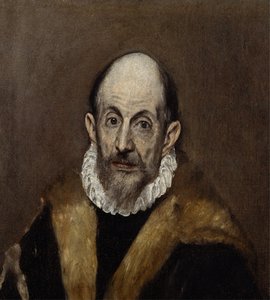
1541 - 1614 , Griekenland

Explore the captivating world of El Greco! Discover his unique style, spiritual intensity, and lasting impact on art history. Learn about this Renaissance master's life, iconic paintings & legacy.

Explore the dramatic world of Spanish Baroque art! Discover masters like Zurbarán & the powerful influence of religious zeal on painting techniques – a guide for collectors and enthusiasts.

Ontdek de top 25 meesterwerken uit het Metropolitan Museum of Art, New York! Van Van Gogh tot Monet – leer over kunstgeschiedenis en bewonder iconische schilderijen. Vind museumkwaliteit reproducties & interieurinspiratie op Most-Famous-Paintings.com.

Explore the captivating world of Manuel Benedito Vives, a celebrated Spanish painter influenced by Sorolla. Discover his masterful portraits, luminous landscapes & enduring legacy – a favorite of the Spanish Royal Family. Art collectors will appreciate this in-depth study.

Ontdek de top 25 meesterwerken van El Greco! Duik in het leven en werk van deze renaissance schilder, zijn spirituele kunst & dramatische stijl. Vind museumkwaliteit reproducties voor uw interieur op Most-Famous-Paintings.com.


Blijf op de hoogte van het laatste kunstnieuws, exclusieve aanbiedingen en decoratie-ideeën.
Vertel ons over uw project en onze kunstexperts geven u 3 gepersonaliseerde kunstsuggesties.
Wij stellen 3 opties speciaal voor u samen – Gratis!


 Delen
Delen


 Lees meer







 De optie voor glas is alleen beschikbaar bij een formaat kleiner dan 110 cm.