


x

 Acrylic On CanvasWallArtGerman Expressionism
 1928
1928 72.0 x 92.0 cm
 Staatliche Kunstsammlungen
Koop een digitale afbeelding in hoge resolutie met verbeterde kwaliteit, die veel superieur is aan de online voorvertoning.
Elk bestand wordt met uiterste precisie voorbereid door onze interne specialisten, met behulp van geavanceerde tools en deskundige handmatige retouche. Wij garanderen dat elke afbeelding een uitzonderlijke helderheid, nauwkeurige kleurweergave en verfijnde details bezit.
Het uiteindelijke bestand wordt binnen 72 uur per e-mail geleverd, geoptimaliseerd voor direct gebruik in professionele, redactionele en printomgevingen. Dit is dezelfde kwaliteit waarop vooraanstaande designstudio's, uitgevers en galerieën vertrouwen.
Download een bestand met hoge resolutie voor persoonlijke weergave, afdrukken en creatieve projecten. ( Bestel print Bestel handgeschilderde reproductie)
Wanneer u kiest voor Most-Famous-Paintings.com, ontvangt u niet alleen een afbeelding – u krijgt een professioneel verbeterd digitaal kunstwerk, met precisie vervaardigd en voorzien van een tevredenheidsgarantie. Dit is alles wat automatisch bij uw bestelling is inbegrepen:

Uw hoogwaardige digitale afbeeldingsbestand wordt binnen 72 uur na bestelling naar u gemaild – klaar voor direct gebruik.

Uw kunstwerk wordt professioneel geoptimaliseerd met behulp van geavanceerde AI-tools en handmatige bewerkingen, waardoor maximale details, helderheid en kleurnauwkeurigheid worden gegarandeerd.

Je bestand per ongeluk verwijderd of kwijtgeraakt? Geen zorgen – we sturen het u op elk gewenst moment gratis opnieuw toe.

Geniet direct van uw kunstwerk zonder invoerrechten, belastingen of verzendkosten – digitale downloads zijn altijd belastingvrij.

Met behulp van professionele hulpmiddelen en kleurbeheer zorgen wij ervoor dat uw digitale afbeelding de originele kleuren zo nauwkeurig mogelijk weergeeft.

Als u niet tevreden bent met uw digitale afbeelding, passen wij deze aan of storten wij 100% terug binnen 60 dagen – zonder vragen gesteld.

Niet tevreden? Ontvang binnen 60 dagen na ontvangst van uw digitale bestand uw volledige aankoopbedrag terug – zonder vragen te stellen.

Koop 3 afbeeldingen, bespaar 10% - Koop 5, bespaar 15% - Koop 10+, bespaar 20%. Ideaal voor creatieve projecten, galerieën en bureaus.
Ernst Ludwig Kirchner’s “Davoser Café,” painted in 1928, isn't merely a depiction of a bar scene; it’s a vibrant, almost frenetic snapshot of early 20th-century social life—a moment frozen in time within the bustling heart of Davos. Created during a period of rapid societal change and artistic experimentation, this oil on canvas offers a compelling glimpse into the anxieties and exhilarations of a modernizing Germany through Kirchner’s signature Expressionist lens.
Kirchner, a pivotal figure in the Die Brücke group, sought to capture not just appearances but the raw emotional essence of his subjects. He wasn't interested in replicating reality with photographic precision; instead, he employed bold colors, distorted forms, and dynamic brushstrokes to convey a sense of urgency and psychological intensity. “Davoser Café” exemplifies this approach perfectly, transforming a commonplace setting into a powerful expression of human interaction.
The painting immediately draws the eye with its crowded composition—a swirling mass of figures engaged in various activities: reading newspapers, sipping coffee, conversing animatedly. Kirchner masterfully utilizes perspective to create a sense of depth, pulling the viewer into this lively tableau. The arrangement isn’t static; it feels like a continuous flow of movement, as if the scene is perpetually unfolding.
Kirchner’s use of color is profoundly expressive, moving far beyond mere representation. He employs a palette dominated by greens, blues, and ochres, colors often associated with unease, alienation, and the anxieties of modern life. These cool tones are juxtaposed with flashes of red and yellow, creating visual tension and highlighting key figures within the scene.
The greenish hues applied to the figures’ skin suggest a sense of detachment or even an otherworldly quality, while the sharp contrasts amplify the painting's emotional impact."Davoser Café" was painted during a period of immense social and political upheaval in Germany. The rise of industrialization, urbanization, and the increasing pace of life were contributing to feelings of alienation and uncertainty. Kirchner’s art reflects these anxieties, capturing the psychological impact of modernity on individuals within a rapidly changing world.
The painting's creation coincided with Kirchner's membership in Die Brücke, a group that sought to break away from traditional academic styles and explore new forms of artistic expression. Their work was often characterized by its emotional intensity, social critique, and rejection of bourgeois values. “Davoser Café” stands as a testament to this movement’s ambition and innovative spirit.
Beyond its immediate depiction of a café scene, "Davoser Café" can be interpreted as a meditation on the fragmented nature of modern identity. The blurred figures, the sense of anonymity, and the overall feeling of chaos suggest that individuals are increasingly isolated within the vastness of urban life.
The painting’s enduring power lies in its ability to evoke a complex range of emotions—a mixture of excitement, anxiety, and perhaps even a touch of melancholy. It's a poignant reminder of the challenges and complexities of navigating the modern world, rendered with Kirchner’s characteristic boldness and emotional intensity.

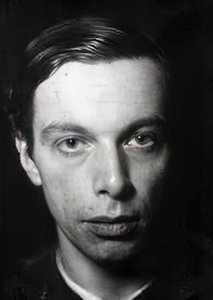
1880 - 1938 , Duitsland


Blijf op de hoogte van het laatste kunstnieuws, exclusieve aanbiedingen en decoratie-ideeën.
Vertel ons over uw project en onze kunstexperts geven u 3 gepersonaliseerde kunstsuggesties.
Wij stellen drie opties speciaal voor u samen – gratis!


 Voorvertoning
 Verstuur
 Delen
Delen
 Details bekijken

 Download
 Vergelijkbare items
 Röntgenonderzoek
 Diavoorstelling
 Lees meer


