


x

 Oil On CanvasWallArtExpressionist Urbanity
 1912
1912 101.0 x 113.0 cm
 Staatsgalerie Moderner Kunst
Koop een digitale afbeelding in hoge resolutie met verbeterde kwaliteit, die veel superieur is aan de online voorvertoning.
Elk bestand wordt met uiterste precisie voorbereid door onze interne specialisten, met behulp van geavanceerde tools en deskundige handmatige retouche. Wij garanderen dat elke afbeelding een uitzonderlijke helderheid, nauwkeurige kleurweergave en verfijnde details bezit.
Het uiteindelijke bestand wordt binnen 72 uur per e-mail geleverd, geoptimaliseerd voor direct gebruik in professionele, redactionele en printomgevingen. Dit is dezelfde kwaliteit waarop vooraanstaande designstudio's, uitgevers en galerieën vertrouwen.
Download een bestand met hoge resolutie voor persoonlijke weergave, afdrukken en creatieve projecten. ( Bestel print Bestel handgeschilderde reproductie)
Wanneer u kiest voor Most-Famous-Paintings.com, ontvangt u niet alleen een afbeelding – u krijgt een professioneel verbeterd digitaal kunstwerk, met precisie vervaardigd en voorzien van een tevredenheidsgarantie. Dit is alles wat automatisch bij uw bestelling is inbegrepen:

Uw hoogwaardige digitale afbeeldingsbestand wordt binnen 72 uur na bestelling naar u gemaild – klaar voor direct gebruik.

Uw kunstwerk wordt professioneel geoptimaliseerd met behulp van geavanceerde AI-tools en handmatige bewerkingen, waardoor maximale details, helderheid en kleurnauwkeurigheid worden gegarandeerd.

Je bestand per ongeluk verwijderd of kwijtgeraakt? Geen zorgen – we sturen het u op elk gewenst moment gratis opnieuw toe.

Geniet direct van uw kunstwerk zonder invoerrechten, belastingen of verzendkosten – digitale downloads zijn altijd belastingvrij.

Met behulp van professionele hulpmiddelen en kleurbeheer zorgen wij ervoor dat uw digitale afbeelding de originele kleuren zo nauwkeurig mogelijk weergeeft.

Als u niet tevreden bent met uw digitale afbeelding, passen wij deze aan of storten wij 100% terug binnen 60 dagen – zonder vragen gesteld.

Niet tevreden? Ontvang binnen 60 dagen na ontvangst van uw digitale bestand uw volledige aankoopbedrag terug – zonder vragen te stellen.

Koop 3 afbeeldingen, bespaar 10% - Koop 5, bespaar 15% - Koop 10+, bespaar 20%. Ideaal voor creatieve projecten, galerieën en bureaus.
Ernst Ludwig Kirchner’s *Rotes Elisabethufer*, painted in 1912, isn’t merely a cityscape; it’s a visceral snapshot of early 20th-century Berlin – a city brimming with restless energy and the anxieties of modernity. This oil on canvas, measuring a substantial 101 x 113 cm, housed within the Staatsgalerie in Munich, captures a pivotal moment in Kirchner's artistic journey and the broader trajectory of German Expressionism. The painting immediately assaults the senses with its bold palette: fiery reds dominate the composition, particularly in the prominent bridge that arches dramatically across the river, while blues and greens provide a stark contrast, hinting at both the industrial grit and the fleeting beauty of the urban landscape.
Kirchner was a central figure in Die Brücke (The Bridge), a group of artists who deliberately rejected the academic traditions of their time. They sought to express raw emotion and subjective experience through distorted forms, jarring colors, and an unflinching portrayal of modern life. *Rotes Elisabethufer* embodies this ethos perfectly. The figures depicted – pedestrians strolling along the embankment, individuals clustered near the bridge – are not rendered with realistic detail but rather as fragmented shapes, imbued with a sense of urgency and alienation. Their postures suggest movement, yet there’s no clear direction or destination; they seem caught in the relentless current of urban existence.
The composition itself is deliberately unsettling. Kirchner employs a dynamic, almost frenetic approach to perspective, creating a sense of depth that feels simultaneously inviting and disorienting. The bridge, rendered in intense red, acts as a visual anchor, drawing the eye into the heart of the scene. However, its exaggerated form and vibrant hue contribute to the overall feeling of unease. The castle-like building on the opposite bank isn’t a comforting landmark but rather a looming presence, adding to the painting's sense of claustrophobia and impending doom – a common theme in Kirchner’s work reflecting the anxieties of his time.
Kirchner’s masterful technique lies not in meticulous realism but in his ability to convey emotion through brushwork. Thick, impasto strokes create a palpable texture, emphasizing the physicality of the paint itself. The colors are applied with an almost violent energy, creating a sense of movement and dynamism. The distortion of forms – elongated figures, skewed angles, and exaggerated proportions – is not arbitrary; it’s a deliberate strategy to communicate the psychological state of the subjects, reflecting the emotional turmoil simmering beneath the surface of modern life.
*Rotes Elisabethufer* resonates with deeper symbolic meaning. The “Red Elisabeth Bridge,” as it's often referred to, was a significant landmark in Berlin, connecting the city’s burgeoning industrial district with its historic center. However, Kirchner transforms this familiar scene into something far more complex and unsettling. The bridge becomes a symbol of transition, of the collision between tradition and modernity, between past and future. The river itself can be interpreted as a metaphor for the flow of time, carrying both promise and peril.
Furthermore, the painting’s vibrant colors – particularly the dominant red – are often associated with passion, energy, and even danger. Kirchner uses this color to heighten the emotional intensity of the scene, conveying a sense of urgency and excitement while simultaneously hinting at underlying anxieties. The overall effect is one of profound psychological depth, inviting viewers to contemplate the complexities of urban life and the human condition.
*Rotes Elisabethufer* stands as a cornerstone of German Expressionism and a testament to Kirchner’s unique artistic vision. Its influence can be seen in the works of subsequent generations of artists, who continued to explore themes of alienation, anxiety, and social critique. The painting's raw emotional power and innovative use of color and form continue to resonate with audiences today, solidifying its place as a masterpiece of modern art. Reproductions of this iconic work offer a powerful window into the soul of Berlin at the dawn of the 20th century – a city grappling with rapid change and searching for meaning in an increasingly complex world.

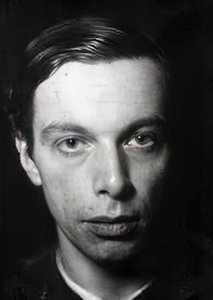
1880 - 1938 , Duitsland


Blijf op de hoogte van het laatste kunstnieuws, exclusieve aanbiedingen en decoratie-ideeën.
Vertel ons over uw project en onze kunstexperts geven u 3 gepersonaliseerde kunstsuggesties.
Wij stellen drie opties speciaal voor u samen – gratis!


 Voorvertoning
 Verstuur
 Delen
Delen
 Details bekijken

 Download
 Vergelijkbare items
 Röntgenonderzoek
 Diavoorstelling
 Lees meer


