


x


 Preview
 Bestel schilderij Koop afbeelding in hoge resolutie
 Verstuur
 Details bekijken
 Toevoegen aan favorieten
 Download
 Vergelijkbare werken
 Röntgenonderzoek
 Diavoorstelling
Giclée- of canvasafdruk van museumkwaliteit met snelle productie en flexibele afwerkingsopties.
Kies uit onze vooraf ingestelde maten die overeenkomen met de originele verhoudingen van het kunstwerk.

U kunt uw eigen afmetingen opgeven om in een specifieke lijst of ruimte te passen. Als de door u gekozen maat niet overeenkomt met de proporties van het originele kunstwerk, zullen wij de afbeelding bijsnijden of uitbreiden met een gespiegelde of effen rand. Een digitaal mockup wordt ter goedkeuring naar u verzonden voordat de productie begint.
Houd er rekening mee dat de preview op het scherm de werkelijke bijsneding of uitbreiding niet weergeeft. Alleen de mockup toont de uiteindelijke compositie nauwkeurig.
Hoewel aangepaste maten beschikbaar zijn, raden wij aan een afmeting uit de vooraf bepaalde lijst te kiezen om de originele proporties te behouden.
Wereldwijde levering () binnen 2 weken in plaats van de standaard 4/5 weken. (26 juli)


Derrure
Afmetingen reproductie
Fernand Léger's 1933 drawing, *Derrure*, is more than just an intricate depiction of gears and machinery; it’s a profound meditation on the burgeoning relationship between humanity and technology. Executed in stark black and white, the artwork captures a dizzying close-up view of a complex mechanical device – a machine rendered with Léger's signature style that sought to reconcile the dynamism of modern life with a distinctly representational approach. The image immediately draws the viewer into a world of interlocking cogs, rotating shafts, and precisely crafted components, suggesting a relentless, almost hypnotic rhythm.
*Derrure* was created during the height of Léger’s career as a leading figure in the Parisian avant-garde. His work emerged from a period of intense social and technological change – the rise of industrialization, urbanization, and the increasing dominance of machines in daily life. Léger wasn't merely documenting this shift; he was actively engaging with it, seeking to translate its essence into his art. Tubism, initially developed alongside Pablo Picasso, aimed to capture the fragmented, multi-faceted forms of modern objects, particularly those found in factories and urban environments. This approach reflected a broader artistic movement that sought to break away from traditional representational styles and embrace new ways of seeing the world.
The drawing’s composition echoes Léger's interest in capturing the *movement* inherent within these mechanical systems. The overlapping gears, the suggestion of rotation, and the overall sense of organized chaos convey a powerful feeling of energy and dynamism – a visual representation of the machine’s relentless operation.
Beyond its technical brilliance, *Derrure* carries significant symbolic weight. The machine itself represents progress, industry, and the transformative power of technology. However, Léger doesn't present this as a purely celebratory image. There’s an underlying sense of unease, a feeling that the relentless drive of machinery is both exhilarating and potentially overwhelming. The intricate detail invites contemplation about humanity’s role within this increasingly mechanized world.
The inclusion of a clock within the drawing adds another layer of meaning, referencing time – a fundamental element in the operation of any machine, but also a symbol of human mortality and the passage of time. The stark black and white palette amplifies the emotional impact, creating a dramatic contrast that emphasizes the mechanical forms and evokes a sense of both fascination and apprehension.
Fernand Léger’s *Derrure* stands as a testament to his innovative approach to modern art. It exemplifies his ability to translate the complexities of the machine age into a visually compelling and intellectually stimulating work. This drawing, produced in 1933, offers a unique window into the artistic concerns of its time – a period marked by rapid technological advancement and profound social change. Its enduring appeal lies not only in its technical mastery but also in its poignant exploration of humanity’s relationship with the forces shaping our world.
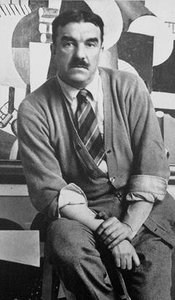
1881 - 1955 , Frankrijk

Ontdek de 10 meest invloedrijke kubistische meesterwerken van Picasso, Braque & meer. Leer over hun baanbrekende technieken en betekenis. Vind museumkwaliteit kunst reproducties voor uw interieur op Most-Famous-Paintings.com!

Explore the art of transforming spaces with our comprehensive guide to wall decor. From historical movements to contemporary trends, discover how to curate impactful interiors and commission bespoke artwork for a truly personalized aesthetic.

Ontdek de 10 meest invloedrijke kubistische portretten van Picasso, Braque & meer. Leer over kunstgeschiedenis en technieken achter deze moderne meesterwerken. Vind museumkwaliteit reproducties voor uw interieur op Most-Famous-Paintings.com!
Ontdek de 10 baanbrekende meesterwerken van het Cubisme & Expressionisme! Leer over Picasso, Braque en Kandinsky. Vind museumkwaliteit kunst reproducties voor uw interieur op Most-Famous-Paintings.com.

Ontdek de kracht van ivoorkleurig zwart in 10 iconische schilderijen. Van Rembrandt tot Manet, duik in de verhalen achter deze meesterwerken en vind perfecte kunst voor uw interieur. Museumkwaliteit reproducties op Most-Famous-Paintings.com


Blijf op de hoogte van het laatste kunstnieuws, exclusieve aanbiedingen en decoratie-ideeën.
Vertel ons over uw project en onze kunstexperts geven u 3 gepersonaliseerde kunstsuggesties.
Wij stellen 3 opties speciaal voor u samen – Gratis!


 Delen
Delen


 Lees meer




































 De optie voor glas is alleen beschikbaar bij een formaat kleiner dan 110 cm.


