


x

Met de hand geschilderd in olieverf op canvas in uw gewenste maat en lijst, op bestelling gemaakt door onze kunstenaars. ( Bestel een print Naar afbeelding wisselen)





























Kies uit onze vooraf ingestelde maten die overeenkomen met de originele verhoudingen van het kunstwerk.

U kunt uw eigen afmetingen invoeren om in een specifieke lijst of ruimte te passen. Als de door u gekozen maat niet overeenkomt met de verhoudingen van het originele beeld, zullen we het kunstwerk bijsnijden of het schilderij uitbreiden met extra handgeschilderde elementen. Een digitale mockup wordt ter goedkeuring naar u verzonden voordat de productie begint.
Houd er rekening mee dat de preview op het scherm niet de werkelijke uitsnede of uitbreiding weergeeft. Alleen de mockup toont de uiteindelijke compositie nauwkeurig.
Hoewel aangepaste afmetingen mogelijk zijn, raden we aan een maat uit de vooraf gedefinieerde lijst te selecteren om de originele verhoudingen te behouden.
Wereldwijde levering () binnen 3 tot 4 weken in plaats van de standaard 5 weken. (8 augustus). Zonder concessies aan de kwaliteit.


The Balcony
Formaat reproductie
Fernand Léger's "The Balcony," painted in 1914, offers a captivating glimpse into the burgeoning artistic landscape of early 20th-century France. This seemingly simple depiction – a group of figures gathered on a balcony – is far more than just a snapshot of a domestic scene; it’s a carefully constructed meditation on modernity, industrialization, and the human condition within a rapidly changing world. Léger, born Joseph Fernand Henri Léger in 1881 in Argentan, Normandy, was a pivotal figure who bridged the gap between traditional representation and the radical experimentation that would define modern art. His upbringing amidst the rural rhythms of Normandy – observing the physicality of labor and the enduring forms of nature – profoundly shaped his artistic sensibility, informing his later embrace of geometric abstraction and his fascination with the mechanical.
“The Balcony” exemplifies Léger’s signature “Tubism,” a style he developed in collaboration with Pablo Picasso. This approach, born from his observations of moving vehicles and industrial machinery, sought to capture the essence of these forms through fragmented geometric shapes. Unlike purely abstract art, Léger retained recognizable human figures, albeit heavily stylized and reduced to their fundamental components. The painting’s surface is characterized by a bold, almost brutalist application of paint – thick impasto strokes create a tactile quality that emphasizes the materiality of the objects and figures. This technique contributes significantly to the work's powerful sense of dynamism and its rejection of traditional illusionistic representation.
Technique Highlights:Painted in 1914, just before the outbreak of World War I, “The Balcony” reflects a period of profound social and technological upheaval. Léger was deeply concerned with the impact of industrialization on human life, anticipating the dehumanizing effects of mass production and the erosion of traditional values. The figures in the painting can be interpreted as representing humanity’s struggle to adapt to this new reality – their unified posture suggesting a shared experience of uncertainty and transformation. The clocks, symbols of time's relentless progression, underscore the anxieties surrounding modernity and the loss of control over one's own life. This work is a crucial piece in understanding Léger’s broader artistic project: a bold attempt to translate the language of the machine into a new visual vocabulary for the 20th century.
"The Balcony" transcends its historical context to offer a powerful meditation on human connection, time, and the forces shaping our world. Léger’s masterful use of form, color, and texture creates an image that is both visually arresting and emotionally resonant. This hand-painted reproduction captures the essence of Léger's artistic vision with exceptional fidelity, offering art lovers, collectors, and interior designers alike a unique opportunity to experience the power and beauty of this seminal work. Its bold geometric forms and evocative symbolism make it a compelling addition to any collection or a striking focal point within an interior space.

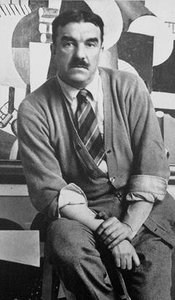
1881 - 1955 , Frankrijk

Elevate your design projects with Most-Famous-Paintings's premium canvas prints and hand-painted reproductions. Discover affordable, museum-quality wall decor delivered worldwide, offering freelance decorators professional excellence, archival durability, and bespoke customization for every space.


Blijf op de hoogte van het laatste kunstnieuws, exclusieve aanbiedingen en inspirerende interieurideeën.
Vertel ons over uw project en onze kunstexperts geven u 3 gepersonaliseerde kunstsuggesties.
Wij stellen 3 opties speciaal voor u samen – Gratis!


 Bekijk op ware grootte
 Verstuur
 Delen
Delen
 Details bekijken

 Download
 Vergelijkbare werken
 Röntgenonderzoek
 Diavoorstelling

 Lees meer







 De optie voor glas is alleen beschikbaar bij een formaat kleiner dan 110 cm.


