x

Giclée- of canvasafdruk van museumkwaliteit met een snelle productie en flexibele afwerkingsmogelijkheden. ( Bestel handgeschilderde reproductie Koop afbeelding)





























Kies uit onze vooraf ingestelde maten die overeenkomen met de originele verhoudingen van het kunstwerk.

U kunt uw eigen afmetingen opgeven om in een specifieke lijst of ruimte te passen. Als de door u gekozen maat niet overeenkomt met de proporties van het originele kunstwerk, zullen wij de afbeelding bijsnijden of uitbreiden met een gespiegelde of effen rand. Een digitaal mockup wordt ter goedkeuring naar u verzonden voordat de productie begint.
Houd er rekening mee dat de preview op het scherm de werkelijke bijsneding of uitbreiding niet weergeeft. Alleen de mockup toont de uiteindelijke compositie nauwkeurig.
Hoewel aangepaste maten beschikbaar zijn, raden wij aan een afmeting uit de vooraf bepaalde lijst te kiezen om de originele proporties te behouden.
Wereldwijde levering () binnen 2 weken in plaats van de standaard 4/5 weken. (18 augustus)


study for self-portrait, 1982
Afmetingen reproductie
Francis Bacon's 'Study for Self-Portrait', painted in 1982, is not merely a representation of the artist; it’s an unflinching confrontation with the anxieties and isolation inherent within the human condition. This late work, rendered in oil on canvas, embodies the core tenets of Bacon’s mature style – a brutal honesty expressed through distorted forms and unsettling color palettes. The figure, seated passively yet powerfully, captures a moment of profound contemplation, or perhaps dread, as he gazes out from an unseen window. The composition immediately draws the viewer into a space of quiet desperation, mirroring the artist's own lifelong struggle with themes of mortality, loneliness, and the grotesque.
The painting’s power resides not just in its technical execution but also in its carefully constructed symbolism. The window itself is a recurring motif in Bacon's work, representing a barrier between the self and the outside world, a space of contemplation and perhaps, ultimately, alienation. The figure’s posture – slumped, almost defeated – suggests a sense of entrapment. The cigarette, held delicately yet with an air of resignation, adds another layer of complexity. It can be interpreted as a symbol of both comfort and self-destruction, mirroring the artist's own struggles with addiction and his relentless pursuit of emotional truth.
Bacon’s technique is deliberately unsettling. The figure is rendered with a rough, almost violent brushstroke, creating a sense of unease and instability. The colors—muted browns, grays, and ochres—contribute to the painting's somber mood, while subtle hints of red suggest underlying tension and suppressed emotion. The lack of detail in the room further emphasizes the figure’s isolation, drawing attention to his internal state rather than any external context. This masterful manipulation of form and color creates a profoundly moving experience for the viewer, forcing us to confront our own anxieties about existence.
'Study for Self-Portrait' remains one of Francis Bacon’s most compelling works, a testament to his ability to translate profound psychological states into visual form. This reproduction captures not just an image but an experience – a visceral encounter with the darkest corners of the human soul. It is a piece that demands attention, invites contemplation, and ultimately, leaves a lasting impression.

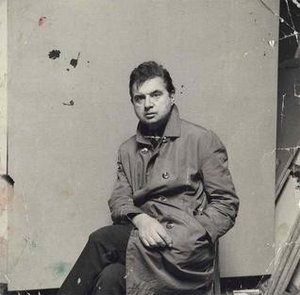
1909 - 1992 , Ierland

Elevate your collection with Most-Famous-Paintings.com. Discover the exquisite differences between our hand-painted oil reproductions, archival Giclée canvases, and fine art prints. Expert guidance for discerning collectors seeking museum-quality mastery and bespoke artistry.

Discover the technical mastery behind Most-Famous-Paintings.com's premium Giclée canvas prints. Our guide for elite collectors explores archival pigment inks, museum-grade substrates, and the science of high-fidelity reproduction to ensure lasting beauty and historical accuracy.

Unlock your creative potential with Most-Famous-Paintings. Learn how art students and creators can scale their business through premium oil reproductions, print-on-demand royalties, and global distribution of their artistic legacy.


Blijf op de hoogte van het laatste kunstnieuws, exclusieve aanbiedingen en decoratie-ideeën.
Vertel ons over uw project en onze kunstexperts geven u 3 gepersonaliseerde kunstsuggesties.
Wij stellen drie opties speciaal voor u samen – gratis!


 Voorvertoning
 Verstuur
 Delen
Delen
 Details bekijken

 Download
 Vergelijkbare items
 Röntgenonderzoek
 Diavoorstelling
 Lees meer







 De optie voor glas is alleen beschikbaar bij een formaat kleiner dan 110 cm.