


x


 Bestel schilderij Koop afbeelding in hoge resolutie
 Verstuur
 Details bekijken
 Toevoegen aan favorieten
 Download
 Vergelijkbare werken
 Röntgenonderzoek
 Diavoorstelling
 AcrylicWallArtGerman Expressionism
 1913
1913 73.0 x 157.0 cm
Giclée- of canvasafdruk van museumkwaliteit met snelle productie en flexibele afwerkingsopties.





























Kies uit onze vooraf ingestelde maten die overeenkomen met de originele verhoudingen van het kunstwerk.

U kunt uw eigen afmetingen opgeven om in een specifieke lijst of ruimte te passen. Als de door u gekozen maat niet overeenkomt met de proporties van het originele kunstwerk, zullen wij de afbeelding bijsnijden of uitbreiden met een gespiegelde of effen rand. Een digitaal mockup wordt ter goedkeuring naar u verzonden voordat de productie begint.
Houd er rekening mee dat de preview op het scherm de werkelijke bijsneding of uitbreiding niet weergeeft. Alleen de mockup toont de uiteindelijke compositie nauwkeurig.
Hoewel aangepaste maten beschikbaar zijn, raden wij aan een afmeting uit de vooraf bepaalde lijst te kiezen om de originele proporties te behouden.
Wereldwijde levering () binnen 2 weken in plaats van de standaard 4/5 weken. (23 juli)


Stables
Afmetingen reproductie
Franz Marc’s “Stables,” completed in 1913, stands as a cornerstone of German Expressionism—a movement that sought to convey raw emotion and subjective experience rather than objective representation. More than just a depiction of livestock within a barn, it's an exploration of primal beauty and spiritual contemplation, reflecting Marc’s unwavering belief in the transformative power of art.
Marc’s artistic journey was profoundly shaped by his time in Paris, where he encountered the groundbreaking innovations of Picasso, van Gogh, Gauguin, and Matisse—artists who championed expressive color and fractured perspectives. “Stables” embodies this influence, utilizing Cubism's characteristic geometric simplification to dissect forms and present multiple viewpoints simultaneously. However, unlike many Cubist predecessors, Marc abandons strict analytical rigor for a vibrant emotional resonance.
The painting explodes with hues of crimson, sapphire blue, lemon yellow, and verdant green—colors deliberately chosen not merely for visual appeal but as conduits for conveying profound feelings. These shades pulsate with energy, mirroring the dynamism inherent in the animal subjects themselves.
Marc’s fascination with animals stemmed from meticulous observation at the Berlin Zoo, where he spent countless hours sketching and studying their forms. Animals weren't simply subjects; they functioned as symbols—representing truth, purity, and beauty—concepts central to Marc’s philosophical worldview. In “Stables,” the horses are rendered in abstracted shapes that merge seamlessly with their surroundings, symbolizing a harmonious connection between humanity and nature.
The geometric abstraction serves not to diminish the animals' presence but rather to elevate them to a realm of spiritual significance. Each color contributes to this overarching message—red representing vitality and passion, blue embodying serenity and contemplation, yellow conveying optimism and illumination.
"Stables" was conceived during the tumultuous prelude to World War I, a period marked by anxieties about societal upheaval and impending conflict. Yet, despite this backdrop of apprehension, Marc retained an unwavering faith in art’s capacity to inspire regeneration—a conviction that would tragically prove premature when he succumbed to illness at the young age of 36.
Nevertheless, “Stables” continues to resonate powerfully today, securing its place as a seminal work within Expressionism and influencing subsequent movements like Abstract Expressionism. Artists such as Jackson Pollock and Willem de Kooning recognized Marc’s pioneering approach to color and emotion—a legacy that transcends time and reaffirms the enduring power of art to communicate profound spiritual truths.
Franz Marc's "Stables" remains a testament to his artistic vision—a bold declaration of faith in nature’s beauty and an exploration of the human spirit. Its vibrant colors, fractured forms, and symbolic depth continue to captivate viewers, inviting contemplation on themes of truth, purity, and harmony.

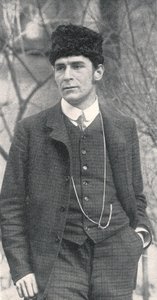
1880 - 1916 , Duitsland
Ontdek de top 25 meesterwerken van Marc Chagall! Duik in zijn kleurrijke wereld vol dromen, symbolisme & Joodse folklore. Bekijk kunstgeschiedenis, technieken en vind museumkwaliteit reproducties voor uw interieur op Most-Famous-Paintings.com.
Ontdek de 10 meest iconische Expressionistische meesterwerken! Duik in de emotionele wereld van Kirchner, Kandinsky & Nolde. Museumkwaliteit kunst reproducties voor uw interieur. Exploreer de collectie op Most-Famous-Paintings.com.
Ontdek de 10 baanbrekende meesterwerken van het Cubisme & Expressionisme! Leer over Picasso, Braque en Kandinsky. Vind museumkwaliteit kunst reproducties voor uw interieur op Most-Famous-Paintings.com.

Ontdek de 25 meest iconische werken van Claude Monet! Duik in de wereld van impressionisme, kleur en licht. Van Waterlelies tot Zonsopgang – bekijk de meesterwerken & vind perfecte kunst voor jouw interieur op Most-Famous-Paintings.com.

Explore the profound world of Franz Marc's Expressionist paintings. Discover his spiritual connection to animals, innovative use of color, and lasting impact on modern art history. Learn more at Most-Famous-Paintings.


Blijf op de hoogte van het laatste kunstnieuws, exclusieve aanbiedingen en decoratie-ideeën.
Vertel ons over uw project en onze kunstexperts geven u 3 gepersonaliseerde kunstsuggesties.
Wij stellen 3 opties speciaal voor u samen – Gratis!


 Delen
Delen

 Lees meer







 De optie voor glas is alleen beschikbaar bij een formaat kleiner dan 110 cm.


