x

Giclée- of canvasafdruk van museumkwaliteit met een snelle productie en flexibele afwerkingsmogelijkheden. ( Bestel handgeschilderde reproductie Koop afbeelding)





























Kies uit onze vooraf ingestelde maten die overeenkomen met de originele verhoudingen van het kunstwerk.

U kunt uw eigen afmetingen opgeven om in een specifieke lijst of ruimte te passen. Als de door u gekozen maat niet overeenkomt met de proporties van het originele kunstwerk, zullen wij de afbeelding bijsnijden of uitbreiden met een gespiegelde of effen rand. Een digitaal mockup wordt ter goedkeuring naar u verzonden voordat de productie begint.
Houd er rekening mee dat de preview op het scherm de werkelijke bijsneding of uitbreiding niet weergeeft. Alleen de mockup toont de uiteindelijke compositie nauwkeurig.
Hoewel aangepaste maten beschikbaar zijn, raden wij aan een afmeting uit de vooraf bepaalde lijst te kiezen om de originele proporties te behouden.
Wereldwijde levering () binnen 2 weken in plaats van de standaard 4/5 weken. (18 augustus)


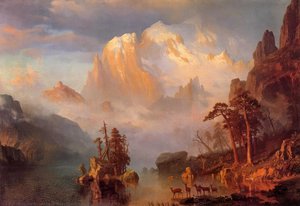
Cotopaxi
Afmetingen reproductie
Frederic Edwin Church’s *Cotopaxi*, completed in 1862, stands as arguably the pinnacle of his prolific output and a cornerstone of the Hudson River School's artistic legacy. More than just a depiction of a towering volcano—the second highest peak in Ecuador—it embodies a profound engagement with scientific observation coupled with Romantic idealism, reflecting Church’s fascination with geological formations and his desire to convey awe at the grandeur of God’s creation.
Church embarked on an ambitious expedition to South America in 1853, driven by a fervent belief in the importance of experiencing nature firsthand. Before tackling the monumental canvas, he meticulously documented Cotopaxi through numerous preparatory sketches—a practice characteristic of the Hudson River School’s approach. These sketches weren't merely exercises in draughtsmanship; they served as crucial visual references, informing Church’s compositional decisions and ensuring accuracy in capturing the volcano’s imposing presence.
Church employed a masterful technique—primarily oil on canvas—characterized by layering glazes to achieve luminous effects. He meticulously blended pigments to reproduce the fiery hues of the volcanic eruption and the ethereal glow of the sunrise, demonstrating an unparalleled understanding of color theory. The painting’s style aligns perfectly with the Hudson River School's aesthetic principles: a deliberate rejection of Impressionistic fleetingness in favor of capturing enduring beauty and conveying spiritual contemplation. Church skillfully utilized atmospheric perspective—a technique pioneered by Cole—to create depth and realism, transporting viewers to the dramatic landscape.
*Cotopaxi* transcends its visual representation; it functions as a powerful allegory for confronting existential challenges. The volcano’s eruption symbolizes upheaval and transformation, mirroring the anxieties surrounding the American Civil War. Church deliberately positioned two suns—one on the left and one on the right—to represent divine illumination battling darkness, reinforcing the painting's thematic core. Furthermore, the inclusion of two figures gazing upon the vista underscores humanity’s insignificance against the immensity of nature while simultaneously celebrating its sublime splendor.
Today, *Cotopaxi* continues to captivate audiences worldwide. Its breathtaking depiction of Andean majesty—combined with Church's masterful artistic execution—solidifies its place as a masterpiece of Romantic landscape painting. Exhibited prominently at the Detroit Institute of Arts and other prestigious institutions, it serves as an enduring testament to the power of art to inspire wonder and contemplation about our relationship with the natural world.


1826 - 1900 , Verenigde Staten van Amerika

Explore the profound history and technical mastery of woodcut relief printing. From ancient origins to German Expressionism, discover how artists use the subtractive process to create iconic works. A definitive guide for art students, collectors, and historians.


Blijf op de hoogte van het laatste kunstnieuws, exclusieve aanbiedingen en decoratie-ideeën.
Vertel ons over uw project en onze kunstexperts geven u 3 gepersonaliseerde kunstsuggesties.
Wij stellen drie opties speciaal voor u samen – gratis!


 Voorvertoning
 Verstuur
 Delen
Delen
 Details bekijken

 Download
 Vergelijkbare items
 Röntgenonderzoek
 Diavoorstelling


 Lees meer







 De optie voor glas is alleen beschikbaar bij een formaat kleiner dan 110 cm.