x

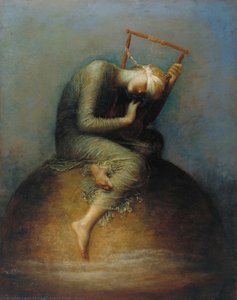
 Oil On CanvasWallArtSymbolism
 187719th Century
 117.0 x 93.0 cm
 Tate Britain
Koop een digitale afbeelding in hoge resolutie met verbeterde kwaliteit, die veel superieur is aan de online voorvertoning.
Elk bestand wordt met uiterste precisie voorbereid door onze interne specialisten, met behulp van geavanceerde tools en deskundige handmatige retouche. Wij garanderen dat elke afbeelding een uitzonderlijke helderheid, nauwkeurige kleurweergave en verfijnde details bezit.
Het uiteindelijke bestand wordt binnen 72 uur per e-mail geleverd, geoptimaliseerd voor direct gebruik in professionele, redactionele en printomgevingen. Dit is dezelfde kwaliteit waarop vooraanstaande designstudio's, uitgevers en galerieën vertrouwen.
Download een bestand met hoge resolutie voor persoonlijke weergave, afdrukken en creatieve projecten. ( Bestel print Bestel handgeschilderde reproductie)
Wanneer u kiest voor Most-Famous-Paintings.com, ontvangt u niet alleen een afbeelding – u krijgt een professioneel verbeterd digitaal kunstwerk, met precisie vervaardigd en voorzien van een tevredenheidsgarantie. Dit is alles wat automatisch bij uw bestelling is inbegrepen:

Uw hoogwaardige digitale afbeeldingsbestand wordt binnen 72 uur na bestelling naar u gemaild – klaar voor direct gebruik.

Uw kunstwerk wordt professioneel geoptimaliseerd met behulp van geavanceerde AI-tools en handmatige bewerkingen, waardoor maximale details, helderheid en kleurnauwkeurigheid worden gegarandeerd.

Je bestand per ongeluk verwijderd of kwijtgeraakt? Geen zorgen – we sturen het u op elk gewenst moment gratis opnieuw toe.

Geniet direct van uw kunstwerk zonder invoerrechten, belastingen of verzendkosten – digitale downloads zijn altijd belastingvrij.

Met behulp van professionele hulpmiddelen en kleurbeheer zorgen wij ervoor dat uw digitale afbeelding de originele kleuren zo nauwkeurig mogelijk weergeeft.

Als u niet tevreden bent met uw digitale afbeelding, passen wij deze aan of storten wij 100% terug binnen 60 dagen – zonder vragen gesteld.

Niet tevreden? Ontvang binnen 60 dagen na ontvangst van uw digitale bestand uw volledige aankoopbedrag terug – zonder vragen te stellen.

Koop 3 afbeeldingen, bespaar 10% - Koop 5, bespaar 15% - Koop 10+, bespaar 20%. Ideaal voor creatieve projecten, galerieën en bureaus.
George Frederic Watts’ “The Minotaur,” painted in 1885, is not merely a depiction of a monstrous figure from Greek mythology; it's a profound meditation on isolation, guilt, and the enduring power of primal narratives. This oil-on-panel masterpiece transcends simple illustration, offering a glimpse into the tormented psyche of a creature trapped within his own legend. Watts, a key figure in the Symbolist movement, masterfully employs color, composition, and texture to evoke a sense of brooding intensity—a palpable feeling of loneliness emanating from the Minotaur’s gaze.
Watts’ painting emerged during a period of intense social reform in Britain, fueled largely by the investigative journalism of W. T. Stead. Stead's harrowing exposé of child prostitution—detailed in his series “The Maiden Tribute of Modern Babylon”—brought the plight of vulnerable young women to public attention and galvanized calls for legislative change. Watts, deeply moved by this exposure, channeled his concern into "The Minotaur," using the myth as a potent allegory for the horrors of exploitation and the consequences of unchecked violence. The image isn’t simply a retelling of the myth; it's a direct response to a contemporary social crisis.
The painting itself is often interpreted as a commentary on the cyclical nature of violence, mirroring the Athenian practice of sending young men and women as sacrifices to the Minotaur. Watts deliberately obscures the Minotaur’s face, presenting him in profile—a “profil perdu”—which heightens his sense of mystery and vulnerability. This deliberate ambiguity forces the viewer to confront the creature's inherent sadness and isolation rather than simply viewing him as a terrifying monster.
Watts’ artistic style is immediately recognizable—a blend of realism and symbolic representation, heavily influenced by his studies in Italy. He utilizes rich, earthy tones – deep browns, ochres, and muted blues – to create a sense of age and solidity for the Minotaur's form. The rocky surface beneath him, rendered with thick impasto brushstrokes, adds texture and weight, grounding the figure within a desolate landscape. The turbulent sea and dramatic sky contribute to the painting’s overall atmosphere of foreboding and despair.
Notice the subtle details: the crushed bird clutched in the Minotaur's hand—a poignant symbol of innocence lost; the distant ship, representing the doomed sacrifices; and the creature’s downward gaze, suggesting a profound sense of regret. The composition itself is carefully constructed to emphasize the Minotaur’s isolation and vulnerability, drawing the viewer into his internal struggle.
“The Minotaur” remains a powerfully evocative work of art, continuing to resonate with audiences today. Its exploration of themes such as guilt, violence, and isolation transcends its mythological origins, offering a timeless commentary on the darker aspects of human nature. High-quality reproductions of Watts’ masterpiece are now available through Most-Famous-Paintings, allowing collectors and art enthusiasts alike to experience the beauty and emotional depth of this iconic painting firsthand. Whether displayed in a grand salon or a more intimate setting, “The Minotaur” serves as a reminder of the enduring power of myth and the importance of confronting uncomfortable truths.


1817 - 1904 , Verenigd Koninkrijk


Blijf op de hoogte van het laatste kunstnieuws, exclusieve aanbiedingen en decoratie-ideeën.
Vertel ons over uw project en onze kunstexperts geven u 3 gepersonaliseerde kunstsuggesties.
Wij stellen drie opties speciaal voor u samen – gratis!


 Voorvertoning
 Verstuur
 Delen
Delen
 Details bekijken

 Download
 Vergelijkbare items
 Röntgenonderzoek
 Diavoorstelling
 Lees meer