x

 Oil On CanvasWallArtNorthern Renaissance
 1510
1510 88.0 x 30.0 cm
 Metropolitan Museum of Art
Giclée- of canvasafdruk van museumkwaliteit met een snelle productie en flexibele afwerkingsmogelijkheden. ( Bestel handgeschilderde reproductie Koop afbeelding)





























Kies uit onze vooraf ingestelde maten die overeenkomen met de originele verhoudingen van het kunstwerk.

U kunt uw eigen afmetingen opgeven om in een specifieke lijst of ruimte te passen. Als de door u gekozen maat niet overeenkomt met de proporties van het originele kunstwerk, zullen wij de afbeelding bijsnijden of uitbreiden met een gespiegelde of effen rand. Een digitaal mockup wordt ter goedkeuring naar u verzonden voordat de productie begint.
Houd er rekening mee dat de preview op het scherm de werkelijke bijsneding of uitbreiding niet weergeeft. Alleen de mockup toont de uiteindelijke compositie nauwkeurig.
Hoewel aangepaste maten beschikbaar zijn, raden wij aan een afmeting uit de vooraf bepaalde lijst te kiezen om de originele proporties te behouden.
Wereldwijde levering () binnen 2 weken in plaats van de standaard 4/5 weken. (14 augustus)


Untitled (D2X7PJ)
Afmetingen reproductie
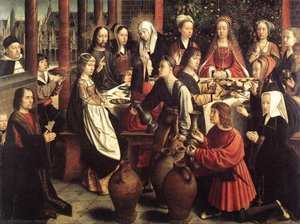
Gerard David’s “Untitled (D2X7PJ),” a captivating religious scene rendered in oil on panel around 1510, offers more than just a visual experience; it's a portal into the contemplative heart of early Renaissance Flanders. Born in Oudewater and trained under Albert van Oudewater, David quickly established himself as a leading figure in Bruges’ vibrant artistic community, inheriting and refining the traditions of his predecessors while simultaneously forging a uniquely personal style. This particular work, often referred to simply as “The Angel Gabriel Announcing the Virgin,” exemplifies this delicate balance – a masterful synthesis of meticulous detail, luminous color, and profound spiritual depth.
The painting depicts a serene moment within the Annunciation narrative: the Archangel Gabriel appears before the Virgin Mary, delivering the momentous news that she will conceive and bear the Son of God. David’s approach diverges subtly from the more rigidly formal depictions prevalent at the time. While retaining elements of late medieval iconography – the carefully positioned halos, the symbolic gestures – he imbues the scene with a remarkable sense of intimacy and naturalism. The figures are not presented as distant deities but rather as human beings caught in a profound exchange, their expressions conveying both surprise and acceptance.
David’s genius lies primarily in his manipulation of light and color. He eschews the stark contrasts favored by some of his contemporaries, opting instead for a subtle, almost ethereal illumination that permeates the entire composition. This “Flemish Light,” as it's often called, creates an atmosphere of quiet reverence and imbues the scene with a sense of otherworldly beauty. The palette is restrained yet remarkably rich – deep blues and purples dominate the background, contrasted by the warm, creamy tones of Mary’s robes and the radiant glow surrounding Gabriel. Notice how he uses layering of translucent glazes to build up depth and luminosity, capturing the delicate textures of fabric and skin with astonishing precision.
The artist's attention to detail is equally remarkable. The folds of Mary’s garments are rendered with meticulous care, each crease and pleat conveying a sense of volume and movement. Gabriel’s wings, depicted in shimmering gold leaf, seem to radiate light, while the delicate details of the angel’s face – his serene expression, the subtle curve of his lips – reveal a profound understanding of human anatomy and emotion.
Beyond its aesthetic beauty, “Untitled (D2X7PJ)” is rich in symbolic meaning. The dove, hovering above the scene, represents the Holy Spirit, while the lilies adorning Mary’s hands symbolize purity and virginity. The carefully chosen gestures of both figures – Gabriel’s outstretched hand offering the message, Mary’s receptive posture – underscore the central theme of divine grace and human humility. This is not merely a depiction of an event; it's a meditation on faith, obedience, and the profound mystery of God’s plan.
Furthermore, David’s choice to portray this pivotal moment with such quiet contemplation reflects the prevailing spiritual currents of his time – a shift away from the more overtly dramatic representations of religious subjects that had characterized earlier periods. He invites the viewer not just to observe but to participate in the scene, fostering a sense of personal connection and spiritual reflection.
“Untitled (D2X7PJ)” stands as a testament to Gerard David’s artistic genius and his enduring legacy. Reproduced faithfully by Most-Famous-Paintings.com, this painting continues to captivate audiences with its beauty, serenity, and profound spiritual resonance. Whether adorning a private residence or gracing the walls of a museum, it serves as a poignant reminder of the power of art to transcend time and connect us to something larger than ourselves. Its subtle colors and evocative imagery create an atmosphere of peace and contemplation – a perfect addition to any space seeking beauty, depth, and a touch of timeless grace.


1450 - 1523 , Nederland

Explore the captivating history of angels in painting! Discover symbolism, iconic Renaissance & Byzantine masterpieces, and renowned artists. Expert insights for art lovers & collectors at Most-Famous-Paintings.

Explore the captivating history of angels in art! Discover symbolism, iconic Renaissance masterpieces & renowned artists. Expert insights for art lovers & collectors at Most-Famous-Paintings.

Explore the captivating world of Gerard David, a pivotal figure bridging late medieval artistry with the Early Renaissance. Discover his innovative techniques, religious masterpieces, and enduring legacy – a must-read for discerning art collectors.

Explore the rich history & techniques of oil painting – from Renaissance masters to Impressionism. Discover pigments, layering methods, and why this timeless medium endures. Expert insights for artists & art enthusiasts.

Explore the rich history & enduring techniques of oil painting with Most-Famous-Paintings. Discover masterpieces, learn about art collecting, and find authentic handmade reproductions crafted by skilled artists.


Blijf op de hoogte van het laatste kunstnieuws, exclusieve aanbiedingen en decoratie-ideeën.
Vertel ons over uw project en onze kunstexperts geven u 3 gepersonaliseerde kunstsuggesties.
Wij stellen drie opties speciaal voor u samen – gratis!


 Voorvertoning
 Verstuur
 Delen
Delen
 Details bekijken

 Download
 Vergelijkbare items
 Röntgenonderzoek
 Diavoorstelling
 Lees meer







 De optie voor glas is alleen beschikbaar bij een formaat kleiner dan 110 cm.