x

 Preview
 Bestel schilderij Koop afbeelding in hoge resolutie
 Verstuur
 Details bekijken
 Toevoegen aan favorieten
 Download
 Vergelijkbare werken
 Röntgenonderzoek
 Diavoorstelling
 Acrylic On CanvasWallArtArt Nouveau
 1909Late Medieval
 193.0 x 115.0 cm
Giclée- of canvasafdruk van museumkwaliteit met snelle productie en flexibele afwerkingsopties.





























Kies uit onze vooraf ingestelde maten die overeenkomen met de originele verhoudingen van het kunstwerk.

U kunt uw eigen afmetingen opgeven om in een specifieke lijst of ruimte te passen. Als de door u gekozen maat niet overeenkomt met de proporties van het originele kunstwerk, zullen wij de afbeelding bijsnijden of uitbreiden met een gespiegelde of effen rand. Een digitaal mockup wordt ter goedkeuring naar u verzonden voordat de productie begint.
Houd er rekening mee dat de preview op het scherm de werkelijke bijsneding of uitbreiding niet weergeeft. Alleen de mockup toont de uiteindelijke compositie nauwkeurig.
Hoewel aangepaste maten beschikbaar zijn, raden wij aan een afmeting uit de vooraf bepaalde lijst te kiezen om de originele proporties te behouden.
Wereldwijde levering () binnen 2 weken in plaats van de standaard 4/5 weken. (27 juli)


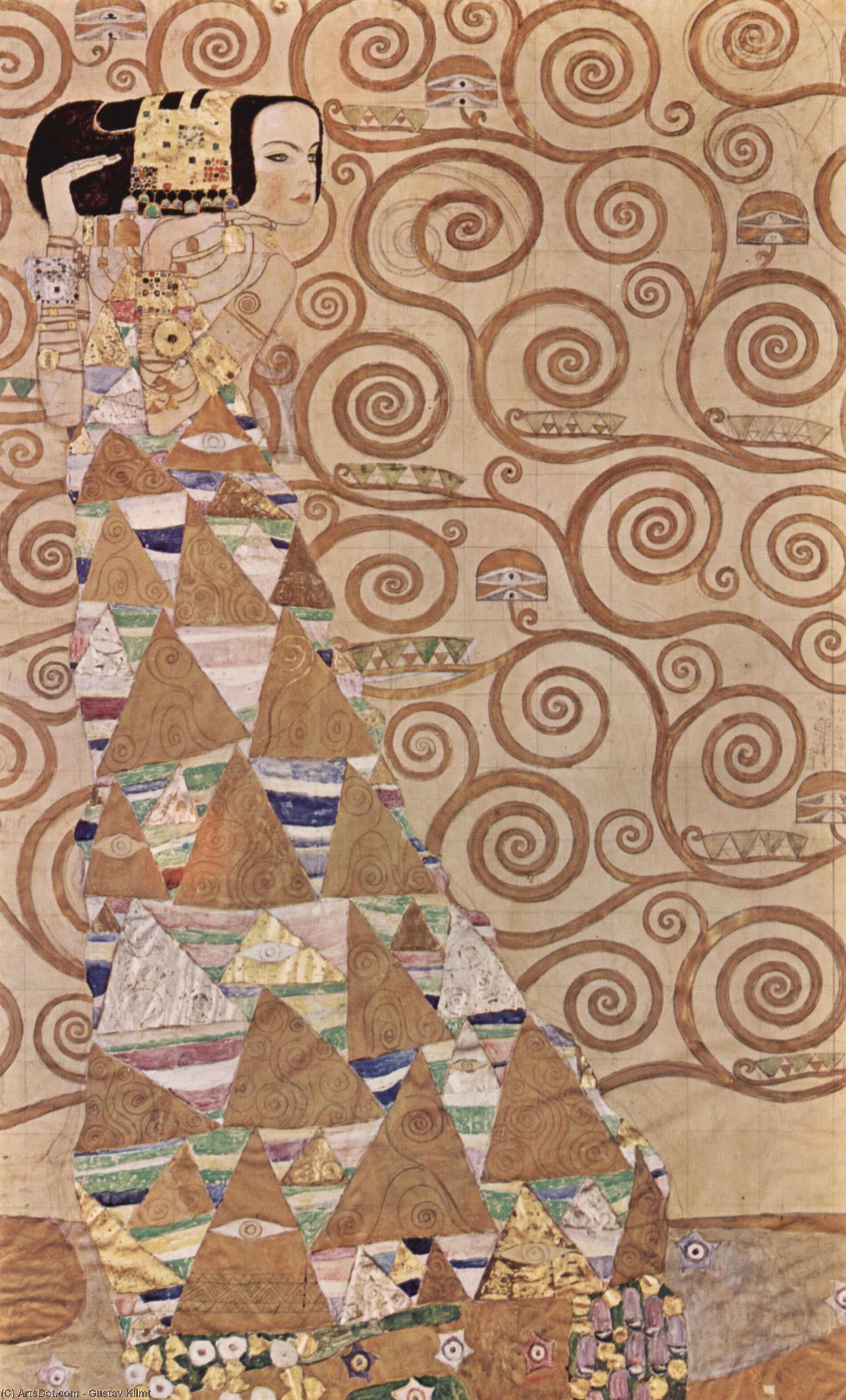
Expectation
Afmetingen reproductie
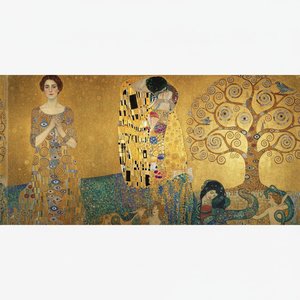
Gustave Klimt’s “Expectation,” painted in 1909, isn't merely a portrait; it’s an invitation into a realm of veiled desires and profound intimacy. Created during the height of Klimt’s intensely productive and personally complex period, this work embodies the artist’s signature blend of Symbolism, Art Nouveau, and a deeply sensual approach to the female form. The painting immediately draws the eye with its opulent color palette – rich browns, creams, and golds—a deliberate choice that evokes both earthly warmth and an otherworldly quality. It's a visual testament to Klimt’s fascination with the interplay between reality and dream, tangible beauty and hidden emotion.
(Image: Gustav Klimt, "Expectation," 1909)
The composition itself is remarkably restrained yet powerfully suggestive. Two figures dominate the canvas, their interaction rendered with a delicate ambiguity that fuels endless interpretation. The woman, draped in flowing robes of deep brown and cream, appears to be gently touching the face of the man beside her—a gesture simultaneously tender and charged with unspoken meaning. Klimt’s masterful use of line creates a dynamic tension between the smooth curves of the figures' bodies and the intricate, swirling patterns that fill the background. These patterns aren’t merely decorative; they represent the subconscious, the currents of emotion and desire that shape our perceptions and relationships.
The influence of Egyptian art is undeniable in the woman’s profile—a deliberate nod to ancient symbolism of fertility, mystery, and the feminine divine. The geometric shapes within the background also echo the principles of Art Deco, a style that was beginning to emerge at the time, reflecting Klimt's forward-thinking artistic vision. The gold leaf, characteristic of Klimt’s later works, isn’t simply applied for decorative effect; it represents spiritual illumination and the transformative power of art itself.
“Expectation” was painted during a period of immense social and artistic change in Vienna. The city was experiencing a surge of innovation, fueled by the rise of psychoanalysis (Freud’s theories were gaining traction) and a growing interest in exploring the hidden depths of the human psyche. Klimt, along with other artists like Egon Schiele and Oskar Kokoschka, rejected the conservative academic traditions of the past and embraced new forms of expression that reflected the anxieties and aspirations of modern life. The painting can be seen as a response to this cultural ferment—a bold exploration of sexuality, emotion, and the complexities of human relationships.
The Stoclet Frieze, of which “Expectation” is a part, was commissioned for the opulent Stoclet Palace in Brussels by Adolphe Stoclet, a wealthy Belgian industrialist. This commission provided Klimt with unprecedented resources and allowed him to realize his most ambitious projects. The entire frieze—including "Fulfillment" and "Pattern"—was intended to create a cohesive visual narrative exploring themes of life, death, and the cyclical nature of existence.
Today, “Expectation” remains one of Gustav Klimt’s most celebrated works. Its evocative imagery, masterful technique, and profound emotional resonance continue to captivate audiences around the world. High-quality reproductions offer a remarkable opportunity to experience the beauty and complexity of this iconic painting in your own home or office. Whether you're an art enthusiast, a collector seeking a statement piece, or simply someone who appreciates exquisite design, “Expectation” is a timeless masterpiece that will undoubtedly enrich your surroundings.

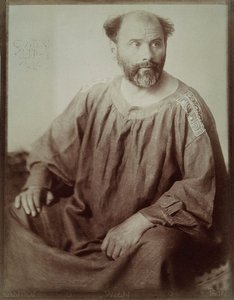
1862 - 1918 , Oostenrijk
Ontdek de top 25 meesterwerken van Gustav Klimt! Van 'De Kus' tot iconische portretten, duik in zijn gouden fase & symbolisme. Vind museumkwaliteit Klimt reproducties en inspiratie voor uw interieur op Most-Famous-Paintings.com.

Ontdek de top 10 Art Nouveau meesterwerken van o.a. Mucha & Klimt! Leer over symbolisme, Jugendstil en iconische decoratieve kunst. Vind museumkwaliteit reproducties & wooninspiratie op Most-Famous-Paintings.com.

Ontdek de top 25 meesterwerken uit het Metropolitan Museum of Art, New York! Van Van Gogh tot Monet – leer over kunstgeschiedenis en bewonder iconische schilderijen. Vind museumkwaliteit reproducties & interieurinspiratie op Most-Famous-Paintings.com.
Ontdek de 25 meest iconische meesterwerken van James Abbott McNeill Whistler, pionier van het esthetisme en impressionisme. Van zijn betoverende Nocturnes tot portretten vol harmonie. Vind museumkwaliteit reproducties & decoratie-inspiratie op Most-Famous-Paintings.com
Ontdek de top 25 meesterwerken van National Gallery Washington! Van Cézanne tot Picasso, leer het verhaal achter iconische kunst. Vind museumkwaliteit reproducties & interieurinspiratie op Most-Famous-Paintings.com.


Blijf op de hoogte van het laatste kunstnieuws, exclusieve aanbiedingen en decoratie-ideeën.
Vertel ons over uw project en onze kunstexperts geven u 3 gepersonaliseerde kunstsuggesties.
Wij stellen 3 opties speciaal voor u samen – Gratis!


 Delen
Delen

 Lees meer







 De optie voor glas is alleen beschikbaar bij een formaat kleiner dan 110 cm.