


x

Koop een digitale afbeelding in hoge resolutie met verbeterde kwaliteit, die veel superieur is aan de online voorvertoning.
Elk bestand wordt met uiterste precisie voorbereid door onze interne specialisten, met behulp van geavanceerde tools en deskundige handmatige retouche. Wij garanderen dat elke afbeelding een uitzonderlijke helderheid, nauwkeurige kleurweergave en verfijnde details bezit.
Het uiteindelijke bestand wordt binnen 72 uur per e-mail geleverd, geoptimaliseerd voor direct gebruik in professionele, redactionele en printomgevingen. Dit is dezelfde kwaliteit waarop topontwerpstudio's, uitgevers en galerieën vertrouwen.
Download een bestand met hoge resolutie voor persoonlijke weergave, afdrukken en creatieve projecten. ( Print kopen Handgemaakt schilderij kopen)
Wanneer u kiest voor Most-Famous-Paintings.com, ontvangt u niet alleen een afbeelding – u krijgt een professioneel verbeterd digitaal kunstwerk, met precisie vervaardigd en voorzien van een tevredenheidsgarantie. Dit is alles wat automatisch bij uw bestelling is inbegrepen:

Uw hoogwaardige digitale afbeeldingsbestand wordt binnen 72 uur na bestelling naar u gemaild – klaar voor direct gebruik.

Uw kunstwerk wordt professioneel geoptimaliseerd met behulp van geavanceerde AI-tools en handmatige bewerkingen, waardoor maximale details, helderheid en kleurnauwkeurigheid worden gegarandeerd.

Je bestand per ongeluk verwijderd of kwijtgeraakt? Geen zorgen – we sturen het u op elk gewenst moment gratis opnieuw toe.

Geniet direct van uw kunstwerk zonder invoerrechten, belastingen of verzendkosten – digitale downloads zijn altijd belastingvrij.

Met behulp van professionele hulpmiddelen en kleurbeheer zorgen wij ervoor dat uw digitale afbeelding de originele kleuren zo nauwkeurig mogelijk weergeeft.

Als u niet tevreden bent met uw digitale afbeelding, passen wij deze aan of storten wij 100% terug binnen 60 dagen – zonder vragen gesteld.

Niet tevreden? Ontvang binnen 60 dagen na ontvangst van uw digitale bestand uw volledige aankoopbedrag terug – zonder vragen te stellen.

Koop 3 afbeeldingen, bespaar 10% - Koop 5, bespaar 15% - Koop 10+, bespaar 20%. Ideaal voor creatieve projecten, galerieën en bureaus.
Gustav Klimt's "Study for The Dancer," a preparatory sketch rendered in delicate graphite and charcoal, offers an intimate window into the creative process behind one of his most iconic works. More than just a preliminary drawing, it embodies the nascent stages of a monumental vision—a testament to Klimt’s meticulous approach and profound exploration of feminine beauty and movement. This particular study, created in 1905, captures a pivotal moment in the development of “The Dancer,” a mural destined for the opulent Stoclet Palace in Brussels, and speaks volumes about Klimt's evolving artistic language.
The sketch itself is remarkably restrained, yet brimming with potential. A full-length female figure dominates the composition, poised with an almost regal stillness. Her arms are gracefully crossed, a subtle gesture of contained power and quiet contemplation. The lines are fluid and confident, suggesting not just the outline of her form but also the underlying musculature and drapery that would later be amplified in the finished painting. Noticeably absent is any attempt at shading or tonal variation; Klimt relies entirely on line weight and precise detailing to establish volume and depth. This deliberate choice underscores a shift towards a more linear, geometric style, characteristic of his mature work and heavily influenced by Japanese art – a fascination that would profoundly shape his aesthetic.
To fully appreciate this study, it's crucial to understand its context within Klimt’s broader artistic trajectory. The late 1890s marked a period of intense experimentation for the artist, as he moved away from the academic traditions that had initially defined his training and embraced a more personal, symbolic style. This shift culminated in what is often referred to as his “golden phase,” characterized by lavish use of gold leaf—a technique borrowed from Byzantine mosaics and medieval illuminated manuscripts – alongside bold geometric patterns and an exploration of themes related to sexuality, mythology, and the human psyche. "The Dancer," commissioned for the Stoclet Palace, was intended to be a centerpiece of this opulent display, embodying Klimt’s vision of female grace and spiritual transcendence.
This particular study, created in 1905, predates the full implementation of the gold leaf technique. It reveals a more restrained approach, focusing on capturing the essence of the pose and proportion before layering in the shimmering metallic accents that would ultimately define the final masterpiece. The sketch’s composition echoes elements found in Egyptian art – a deliberate reference to Klimt's fascination with ancient cultures and their idealized representations of the human form. The figure’s stance, reminiscent of statues from tombs, hints at an underlying sense of timelessness and spiritual significance.
Beyond its technical merits, “Study for The Dancer” is rich in symbolic meaning. The dancer herself represents a potent blend of vulnerability and strength, poised between earthly sensuality and ethereal beauty. Her crossed arms suggest both protection and introspection, while her gaze—implied rather than explicitly depicted—hints at an inner world of contemplation. Klimt’s use of line creates a dynamic tension, conveying the feeling of movement without resorting to traditional depictions of motion. The sketch invites us to imagine the dancer as more than just a figure; she becomes a vessel for exploring themes of desire, spirituality, and the complexities of the human experience.
The study’s monochrome palette—a stark contrast to the vibrant gold that would later adorn “The Dancer”—further emphasizes its introspective nature. It's a moment of pure form, stripped bare of extraneous details, allowing us to focus on the fundamental elements of composition and gesture. It is a reminder that Klimt’s genius lay not only in his ability to create visually stunning works but also in his capacity to distill complex emotions and ideas into deceptively simple sketches.
Reproductions of “Study for The Dancer” offer a remarkable opportunity to experience the intimacy and artistry of Klimt’s creative process. The meticulous detail captured in this preparatory sketch is faithfully reproduced, allowing viewers to appreciate the subtle nuances of line and form that define his unique style. Whether displayed as a standalone piece or incorporated into an interior design scheme, this study serves as a powerful reminder of Klimt's enduring legacy—a testament to the transformative power of art and its ability to capture the essence of beauty, movement, and the human spirit.
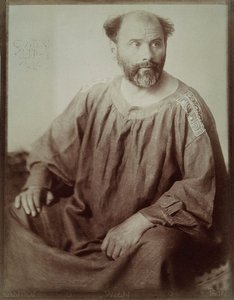
1862 - 1918 , Oostenrijk


Blijf op de hoogte van het laatste kunstnieuws, exclusieve aanbiedingen en inspirerende interieurideeën.
Vertel ons over uw project en onze kunstexperts geven u 3 gepersonaliseerde kunstsuggesties.
Wij stellen 3 opties speciaal voor u samen – Gratis!


 Bekijk op ware grootte
 Verstuur
 Delen
Delen
 Details bekijken

 Download
 Vergelijkbare werken
 Röntgenonderzoek
 Diavoorstelling

 Lees meer


