x


 Preview
 Bestel schilderij Koop afbeelding in hoge resolutie
 Verstuur
 Details bekijken
 Toevoegen aan favorieten
 Download
 Vergelijkbare werken
 Röntgenonderzoek
 Diavoorstelling
Giclée- of canvasafdruk van museumkwaliteit met snelle productie en flexibele afwerkingsopties.





























Kies uit onze vooraf ingestelde maten die overeenkomen met de originele verhoudingen van het kunstwerk.

U kunt uw eigen afmetingen opgeven om in een specifieke lijst of ruimte te passen. Als de door u gekozen maat niet overeenkomt met de proporties van het originele kunstwerk, zullen wij de afbeelding bijsnijden of uitbreiden met een gespiegelde of effen rand. Een digitaal mockup wordt ter goedkeuring naar u verzonden voordat de productie begint.
Houd er rekening mee dat de preview op het scherm de werkelijke bijsneding of uitbreiding niet weergeeft. Alleen de mockup toont de uiteindelijke compositie nauwkeurig.
Hoewel aangepaste maten beschikbaar zijn, raden wij aan een afmeting uit de vooraf bepaalde lijst te kiezen om de originele proporties te behouden.
Wereldwijde levering () binnen 2 weken in plaats van de standaard 4/5 weken. (26 juli)


The bride
Afmetingen reproductie
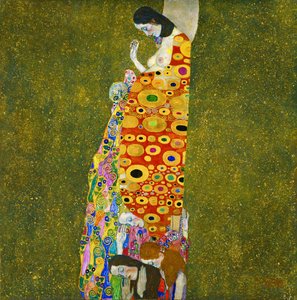
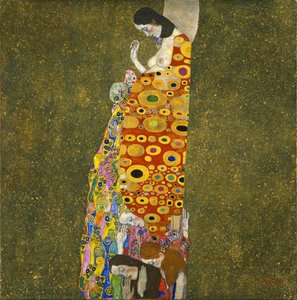
Gustav Klimt’s The Bride (circa 1902-1907) isn't merely a painting; it’s an immersive experience, a shimmering tableau vivant that encapsulates the spirit of Art Nouveau while simultaneously hinting at deeper psychological currents. This monumental work, housed in the Belvedere Museum in Vienna, immediately captivates with its opulent use of gold leaf – a signature technique of Klimt’s “golden phase” – and its exploration of female relationships within a carefully constructed symbolic landscape. The painting depicts a group of women in varying states of repose and interaction, arranged against a subtly textured outdoor backdrop that suggests both serenity and an underlying tension. It's a scene brimming with quiet intimacy, yet simultaneously imbued with a sense of mystery and unspoken narratives.
Klimt’s genius lies not just in his technical mastery – the meticulous application of gold, the fluid lines, and the evocative use of color – but also in his ability to imbue seemingly simple forms with profound meaning. The composition itself is deliberately complex, drawing the eye through a series of interconnected figures. The reclining woman, bathed in light, represents perhaps the central figure, while the others—standing, leaning, holding one another—suggest a network of support and shared experience. The use of ties, subtly woven into the women’s clothing, powerfully symbolizes their connection, their unity, and their mutual dependence – a visual representation of sisterhood and female solidarity.
The Bride stands as a quintessential example of Art Nouveau’s aesthetic principles. The movement, which flourished in the late 19th and early 20th centuries, rejected the rigid formality of academic art in favor of organic forms, flowing lines, and an embrace of nature's beauty. Klimt masterfully translates these ideals into his work, employing sinuous curves, intricate patterns, and a deliberate blurring of boundaries between figure and background. The painting’s surface is alive with ornamentation – delicate floral motifs, swirling designs, and the shimmering gold that dominates the composition—creating a rich tapestry of visual delight.
However, Art Nouveau in Klimt's hands transcends mere decorative excess. It becomes a vehicle for exploring themes of femininity, sexuality, and the complexities of human relationships. The figures are rendered with an undeniable sensuality, their bodies presented not as objects of idealized beauty but as vessels of emotion and experience. The painting’s atmosphere is one of quiet contemplation, inviting viewers to ponder the unspoken narratives that unfold within this intimate gathering.
Beyond its surface beauty, The Bride is rich in symbolic meaning. The outdoor setting, with its trees and dappled light, suggests a connection to nature—a realm of fertility, growth, and renewal. The women themselves are often interpreted as representing different aspects of the female psyche: strength, vulnerability, intuition, and compassion. The act of holding one another, particularly the gesture of one woman gently touching the face of another, speaks volumes about empathy, support, and the bonds that unite women.
The painting’s overall mood is ambiguous, leaving much open to interpretation. Some scholars suggest it reflects Klimt's own fascination with psychoanalysis and his exploration of the subconscious mind. Others see in it a commentary on the social constraints placed upon women during the early 20th century—a subtle rebellion against patriarchal norms through the depiction of female solidarity and mutual support. Regardless of its precise meaning, The Bride remains a powerful and enduring work of art that continues to resonate with viewers today.
For those captivated by the beauty and symbolism of Gustav Klimt’s The Bride, Most-Famous-Paintings.com offers meticulously crafted hand-painted oil reproduction reproductions that capture the essence of this iconic masterpiece. Our skilled artists replicate Klimt's signature techniques—the shimmering gold leaf, the fluid lines, and the evocative use of color—with unparalleled attention to detail. Each reproduction is created on high-quality linen canvas using traditional oil painting methods, ensuring a timeless piece of art for your home or office.
Whether you’re an art enthusiast, a collector, or simply seeking to add a touch of Art Nouveau elegance to your décor, a Klimt reproduction from Most-Famous-Paintings.com is the perfect way to experience the magic of this extraordinary painting. Explore our collection today and discover the beauty of Klimt's vision.

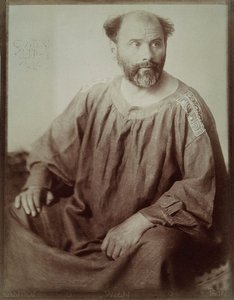
1862 - 1918 , Oostenrijk
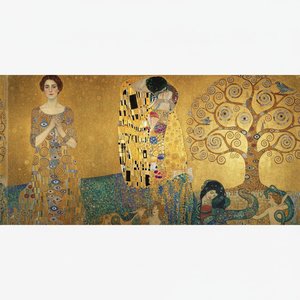
Ontdek de top 25 meesterwerken van Gustav Klimt! Van 'De Kus' tot iconische portretten, duik in zijn gouden fase & symbolisme. Vind museumkwaliteit Klimt reproducties en inspiratie voor uw interieur op Most-Famous-Paintings.com.

Ontdek de top 10 Art Nouveau meesterwerken van o.a. Mucha & Klimt! Leer over symbolisme, Jugendstil en iconische decoratieve kunst. Vind museumkwaliteit reproducties & wooninspiratie op Most-Famous-Paintings.com.

Ontdek de top 25 meesterwerken uit het Metropolitan Museum of Art, New York! Van Van Gogh tot Monet – leer over kunstgeschiedenis en bewonder iconische schilderijen. Vind museumkwaliteit reproducties & interieurinspiratie op Most-Famous-Paintings.com.

Discover the revolutionary Vienna Secession art movement! Explore Klimt, Olbrich & more. Learn about its history, characteristics & lasting influence on modern art. High-quality reproductions available.
Ontdek de top 25 meesterwerken van National Gallery Washington! Van Cézanne tot Picasso, leer het verhaal achter iconische kunst. Vind museumkwaliteit reproducties & interieurinspiratie op Most-Famous-Paintings.com.


Blijf op de hoogte van het laatste kunstnieuws, exclusieve aanbiedingen en decoratie-ideeën.
Vertel ons over uw project en onze kunstexperts geven u 3 gepersonaliseerde kunstsuggesties.
Wij stellen 3 opties speciaal voor u samen – Gratis!


 Delen
Delen


 Lees meer







 De optie voor glas is alleen beschikbaar bij een formaat kleiner dan 110 cm.