x

Giclée- of canvasafdruk van museumkwaliteit met een snelle productie en flexibele afwerkingsmogelijkheden. ( Bestel handgeschilderde reproductie Koop afbeelding)





























Kies uit onze vooraf ingestelde maten die overeenkomen met de originele verhoudingen van het kunstwerk.

U kunt uw eigen afmetingen opgeven om in een specifieke lijst of ruimte te passen. Als de door u gekozen maat niet overeenkomt met de proporties van het originele kunstwerk, zullen wij de afbeelding bijsnijden of uitbreiden met een gespiegelde of effen rand. Een digitaal mockup wordt ter goedkeuring naar u verzonden voordat de productie begint.
Houd er rekening mee dat de preview op het scherm de werkelijke bijsneding of uitbreiding niet weergeeft. Alleen de mockup toont de uiteindelijke compositie nauwkeurig.
Hoewel aangepaste maten beschikbaar zijn, raden wij aan een afmeting uit de vooraf bepaalde lijst te kiezen om de originele proporties te behouden.
Wereldwijde levering () binnen 2 weken in plaats van de standaard 4/5 weken. (18 augustus)


untitled (7103)
Afmetingen reproductie
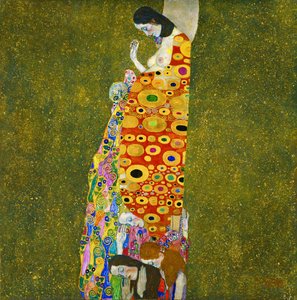
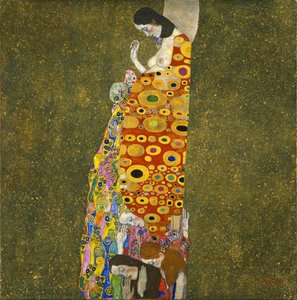
Within the captivating realm of Gustav Klimt's oeuvre lies an untitled portrait – designated “7103” – that whispers with the delicate allure of a dream. This is not a work shouting for attention, but rather one drawing you into its embrace through a haze of muted blues and browns, a testament to Klimt’s mastery of atmosphere and emotional resonance. The painting centers on a woman, her figure occupying most of the canvas, creating an intimate connection with the viewer. She isn't presented as a distant icon, but as someone almost within reach, caught in a moment of quiet contemplation.
Though lacking the overt gold leaf that defines much of Klimt’s celebrated “golden phase,” this portrait is undeniably steeped in the spirit of Art Nouveau. The flowing lines, though implied rather than sharply defined, evoke a sense of organic grace, mirroring the natural world and its inherent beauty. Klimt's influence from Japanese art is subtly present in the flattened perspective and decorative sensibility. He wasn’t merely replicating styles; he was synthesizing them into something uniquely his own – a visual language that spoke to the anxieties and desires of fin-de-siècle Vienna. The woman’s dress, a soft shade of blue, contributes to this ethereal quality, suggesting fragility and perhaps a touch of melancholy. It's a color often associated with introspection and the intangible realm of emotions.
The technical brilliance of “untitled (7103)” lies in Klimt’s meticulous layering of thin glazes of oil paint. This painstaking process builds up color and texture gradually, creating a surface that seems to shimmer with an inner light. The brushwork is loose and expressive, prioritizing mood over precise representation. Details are softly rendered, allowing the viewer's eye to wander and complete the image, fostering a sense of personal connection. There’s a deliberate lack of strong shadows, which further enhances the hazy atmosphere, enveloping the subject in an almost dreamlike state. This isn’t about capturing photographic realism; it’s about conveying a feeling, an impression – a fleeting moment suspended in time.
The symbolism within this portrait is subtle yet profound. The woman's direct, yet slightly distant gaze invites contemplation, prompting us to wonder about her inner world. Is she lost in thought? Is she aware of our presence? Klimt often explored themes of femininity, desire, and mortality in his work, and these undercurrents are present here as well. While the painting doesn’t offer definitive answers, it encourages a dialogue between the artwork and the viewer. The overall effect is one of quiet elegance and understated power – a testament to Klimt's ability to capture not just a likeness, but the very essence of human emotion.

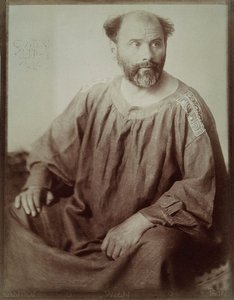
1862 - 1918 , Oostenrijk

Explore the profound impact of the Vienna Secession movement. Discover how visionaries like Gustav Klimt revolutionized modern art through symbolism, gold leaf, and the concept of Gesamtkunstwerk in this expert-led historical guide.


Blijf op de hoogte van het laatste kunstnieuws, exclusieve aanbiedingen en decoratie-ideeën.
Vertel ons over uw project en onze kunstexperts geven u 3 gepersonaliseerde kunstsuggesties.
Wij stellen drie opties speciaal voor u samen – gratis!


 Voorvertoning
 Verstuur
 Delen
Delen
 Details bekijken

 Download
 Vergelijkbare items
 Röntgenonderzoek
 Diavoorstelling
 Lees meer







 De optie voor glas is alleen beschikbaar bij een formaat kleiner dan 110 cm.