x

Giclée- of canvasafdruk van museumkwaliteit met een snelle productie en flexibele afwerkingsmogelijkheden. ( Bestel handgeschilderde reproductie Koop afbeelding)





























Kies uit onze vooraf ingestelde maten die overeenkomen met de originele verhoudingen van het kunstwerk.

U kunt uw eigen afmetingen opgeven om in een specifieke lijst of ruimte te passen. Als de door u gekozen maat niet overeenkomt met de proporties van het originele kunstwerk, zullen wij de afbeelding bijsnijden of uitbreiden met een gespiegelde of effen rand. Een digitaal mockup wordt ter goedkeuring naar u verzonden voordat de productie begint.
Houd er rekening mee dat de preview op het scherm de werkelijke bijsneding of uitbreiding niet weergeeft. Alleen de mockup toont de uiteindelijke compositie nauwkeurig.
Hoewel aangepaste maten beschikbaar zijn, raden wij aan een afmeting uit de vooraf bepaalde lijst te kiezen om de originele proporties te behouden.
Wereldwijde levering () binnen 2 weken in plaats van de standaard 4/5 weken. (17 augustus)


Phoebus and Boreas
Afmetingen reproductie
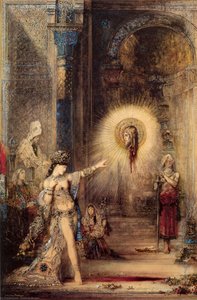
Gustave Moreau's "Phoebus and Boreas," painted in 1879, is not merely a depiction of a scene; it’s an immersion into the turbulent heart of myth and emotion. This watercolor, a cornerstone of Symbolist art, immediately captivates with its dreamlike quality and unsettling beauty. The painting portrays a dramatic confrontation between Phoebus, the Greek god of the sun, and Boreas, the North Wind – a struggle rendered through a tableau of figures, horses, and dogs that feels both intensely personal and profoundly symbolic. Moreau’s masterful use of color and texture creates an atmosphere thick with tension and foreboding, inviting the viewer to contemplate themes of opposing forces, passion versus coldness, and the eternal battle between light and darkness.
Moreau was a pivotal figure in the rise of Symbolism, a movement that rejected the objective realism championed by earlier artistic movements. Instead, Symbolists sought to express inner states of mind, spiritual truths, and fantastical narratives through evocative imagery and rich symbolism. In “Phoebus and Boreas,” the figures themselves are laden with meaning. The woman riding the horse represents vitality, passion, and perhaps even a fleeting moment of triumph – Phoebus’s domain. Conversely, the imposing presence of Boreas, depicted as a powerful, almost monstrous figure, embodies coldness, destruction, and the relentless force of nature. The dogs, strategically placed on either side, could be interpreted as guardians or heralds, adding to the sense of impending conflict. The inclusion of the solitary observer further emphasizes the theme of witnessing and judgment – are they a participant or simply an audience to this cosmic struggle?
Moreau’s technique is characterized by meticulous detail and a deliberate layering of color, achieved through multiple washes of watercolor. He employed a rich, jewel-toned palette – deep blues, purples, and golds dominate the composition – to heighten the painting's emotional impact. Notice how he builds up texture through subtle variations in brushstrokes, creating a sense of depth and movement that draws the viewer into the scene. The use of glazing techniques allows light to penetrate the layers of paint, producing an ethereal glow that contributes significantly to the work’s dreamlike quality. This careful attention to detail is characteristic of Moreau's approach, reflecting his desire to create not just a representation but a fully realized symbolic world.
"Phoebus and Boreas" was created during a period of significant artistic and intellectual ferment in Paris. The Symbolist movement emerged as a reaction against the perceived materialism and superficiality of contemporary society, seeking instead to explore deeper spiritual and psychological truths. Moreau’s work aligns with this broader trend, reflecting a fascination with mythology, folklore, and the occult – themes that were increasingly prevalent in late 19th-century art and literature. Moreau's influence extended beyond Symbolism, impacting subsequent generations of artists who sought to explore the power of symbolism and subjective experience in their work. Today, “Phoebus and Boreas” remains a powerful example of Symbolist painting, admired for its evocative imagery, technical mastery, and profound emotional resonance.
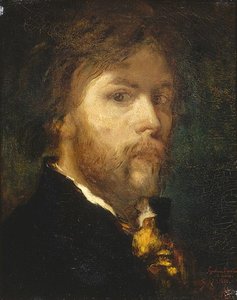
1826 - 1898 , Frankrijk

Explore the profound history and technical mastery of watercolor painting. From medieval manuscripts to the luminous works of John Singer Sargent, discover how artists capture light and transparency through this delicate, enduring medium.


Blijf op de hoogte van het laatste kunstnieuws, exclusieve aanbiedingen en decoratie-ideeën.
Vertel ons over uw project en onze kunstexperts geven u 3 gepersonaliseerde kunstsuggesties.
Wij stellen drie opties speciaal voor u samen – gratis!


 Voorvertoning
 Verstuur
 Delen
Delen
 Details bekijken

 Download
 Vergelijkbare items
 Röntgenonderzoek
 Diavoorstelling

 Lees meer







 De optie voor glas is alleen beschikbaar bij een formaat kleiner dan 110 cm.