x

Giclée- of canvasafdruk van museumkwaliteit met een snelle productie en flexibele afwerkingsmogelijkheden. ( Bestel handgeschilderde reproductie Koop afbeelding)





























Kies uit onze vooraf ingestelde maten die overeenkomen met de originele verhoudingen van het kunstwerk.

U kunt uw eigen afmetingen opgeven om in een specifieke lijst of ruimte te passen. Als de door u gekozen maat niet overeenkomt met de proporties van het originele kunstwerk, zullen wij de afbeelding bijsnijden of uitbreiden met een gespiegelde of effen rand. Een digitaal mockup wordt ter goedkeuring naar u verzonden voordat de productie begint.
Houd er rekening mee dat de preview op het scherm de werkelijke bijsneding of uitbreiding niet weergeeft. Alleen de mockup toont de uiteindelijke compositie nauwkeurig.
Hoewel aangepaste maten beschikbaar zijn, raden wij aan een afmeting uit de vooraf bepaalde lijst te kiezen om de originele proporties te behouden.
Wereldwijde levering () binnen 2 weken in plaats van de standaard 4/5 weken. (14 augustus)


Pietà1
Afmetingen reproductie
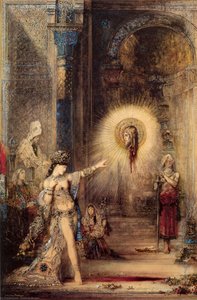
Gustave Moreau (1826-1898), a luminary of the Symbolist movement, stands apart from his contemporaries as an artist singularly devoted to translating inner visions onto canvas. Rejecting the objective gaze of Realism and Impressionism, Moreau embarked on a profound quest for artistic truth—a truth residing not in observable phenomena but in the realm of dreams, myths, and spiritual contemplation. His oeuvre is characterized by an arresting blend of meticulous detail and ethereal atmosphere, reflecting his unwavering belief that art could unlock hidden dimensions of human experience.
Moreau’s masterpiece, Pietà1 (c. 1876), exemplifies the core tenets of Symbolism. Unlike traditional depictions of Mary cradling Jesus after his crucifixion—often imbued with pious piety—Moreau’s interpretation transcends mere religious iconography. Instead, it operates as a complex allegory exploring themes of grief, sacrifice, and divine compassion. Moreau deliberately eschewed naturalistic representation, prioritizing symbolic gesture and evocative color to convey profound emotional resonance.
Moreau’s masterful technique—primarily oil paint on canvas—allowed him to achieve an unprecedented level of textural richness and visual illusion. He employed glazing techniques, applying thin layers of translucent pigment over thicker undercoats to create luminous surfaces that shimmer with otherworldly light. The composition itself is deliberately unsettling, featuring a pyramidal arrangement dominated by Mary's figure, which draws the viewer’s eye upwards towards the heavens. Surrounding her are monumental mountains—symbols of stability and endurance—and an intricate tapestry of floral motifs—representing beauty and fragility.
Moreau’s color palette is strikingly deliberate, reflecting the emotional core of Pietà1. Dominant hues of deep blues and opulent golds convey a sense of solemn grandeur and divine majesty. However, these majestic tones are juxtaposed with muted shades of gray and brown—representing sorrow and decay—creating a poignant visual dialogue. The artist’s careful consideration of color contributes significantly to the painting's emotional impact, mirroring the paradoxical blend of grief and spiritual solace inherent in the biblical narrative.
Gustave Moreau’s pioneering approach to Symbolist painting profoundly influenced subsequent generations of artists. His insistence on psychological depth and symbolic representation paved the way for movements such as Art Nouveau and Surrealism, inspiring painters like Pablo Picasso, Henri Matisse, and Paul Gauguin. Visiting the Musée National Gustave-Moreau in Paris offers a unique opportunity to immerse oneself in Moreau’s visionary world—a testament to his enduring legacy as one of Symbolism's most compelling voices.

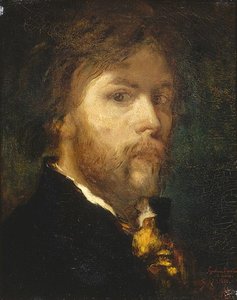
1826 - 1898 , Frankrijk

Explore the evocative world of Symbolist painting. Discover how masters like Gustave Moreau rejected realism to capture dreams, myths, and the subconscious through fine art history and expert analysis.

Explore the profound beauty of Greek mythology through art history. From Baroque masterpieces to Renaissance classics, discover how gods and heroes have inspired the world's greatest painters in this expert guide for collectors and history lovers.


Blijf op de hoogte van het laatste kunstnieuws, exclusieve aanbiedingen en decoratie-ideeën.
Vertel ons over uw project en onze kunstexperts geven u 3 gepersonaliseerde kunstsuggesties.
Wij stellen drie opties speciaal voor u samen – gratis!


 Voorvertoning
 Verstuur
 Delen
Delen
 Details bekijken

 Download
 Vergelijkbare items
 Röntgenonderzoek
 Diavoorstelling
 Lees meer







 De optie voor glas is alleen beschikbaar bij een formaat kleiner dan 110 cm.