


x

 Acryl op canvasWanddecoratieFauvism
 1904Renaissance
 32.0 x 40.0 cm
Giclée- of canvasafdruk van museumkwaliteit met een snelle productie en flexibele afwerkingsmogelijkheden. ( Bestel handgeschilderde reproductie Koop afbeelding)





























Kies uit onze vooraf ingestelde maten die overeenkomen met de originele verhoudingen van het kunstwerk.

U kunt uw eigen afmetingen opgeven om in een specifieke lijst of ruimte te passen. Als de door u gekozen maat niet overeenkomt met de proporties van het originele kunstwerk, zullen wij de afbeelding bijsnijden of uitbreiden met een gespiegelde of effen rand. Een digitaal mockup wordt ter goedkeuring naar u verzonden voordat de productie begint.
Houd er rekening mee dat de preview op het scherm de werkelijke bijsneding of uitbreiding niet weergeeft. Alleen de mockup toont de uiteindelijke compositie nauwkeurig.
Hoewel aangepaste maten beschikbaar zijn, raden wij aan een afmeting uit de vooraf bepaalde lijst te kiezen om de originele proporties te behouden.
Wereldwijde levering () binnen 2 weken in plaats van de standaard 4/5 weken. (24 augustus)


Landschap
Afmetingen reproductie
Henri Matisse (1869-1954) stands as one of the titans of 20th-century art, a painter whose unwavering devotion to color revolutionized artistic expression. His masterpiece, “Landscape,” painted in 1904, embodies the very essence of Fauvist aesthetics—a bold departure from Impressionism’s subtle nuances and a fervent embrace of subjective emotion.
The Fauvist Revolution: Breaking Free From Tradition
Matisse's artistic journey began in Bohain-en-Vermandois, where he initially pursued law but swiftly discovered his true calling amidst the restorative balm of convalescence following an appendicitis attack. It was during this period that he encountered the transformative influence of Impressionist painters like Claude Monet and Camille Pissarro—artists who championed capturing fleeting moments of light and atmosphere. However, Matisse rejected this approach, perceiving it as too timid and insufficiently expressive.
Inspired by Symbolism’s exploration of inner psychological states and fueled by a desire to liberate art from academic constraints, Matisse spearheaded the Fauvist movement alongside André Derain and Maurice Denis. This revolutionary style prioritized color above all else—often employing jarring juxtapositions of hues that defied naturalistic representation. The aim wasn't merely to depict what was seen but to convey how it *felt*, prioritizing emotional resonance over meticulous detail.
Analyzing “Landscape”: Color as Emotion
“Landscape” exemplifies Matisse’s Fauvist vision with remarkable clarity. The canvas depicts a serene rural scene—a house nestled amongst trees, bathed in the warm glow of sunlight—yet it is rendered entirely devoid of photographic accuracy. Instead, Matisse employs a palette dominated by vibrant reds, yellows, and greens—colors deliberately chosen to evoke feelings of warmth, joy, and vitality.
Notice how Matisse utilizes broad brushstrokes to create textured surfaces that capture the movement of air and foliage. The house’s scarlet roof stands out prominently against the verdant backdrop, symbolizing stability and permanence amidst the ephemeral beauty of nature. Similarly, the scattered figures—presumably enjoying a leisurely afternoon—are rendered in muted tones, subtly contrasting with the dominant hues of the landscape.
Influences Beyond Fauvism: Romantic Roots
While Matisse’s Fauvist style owes considerable debt to Symbolism and Impressionism, his artistic sensibilities were also shaped by earlier movements—particularly Romanticism. Like Romantic painters such as Eugène Delacroix and Caspar David Friedrich, Matisse sought to convey profound emotional experiences through art, prioritizing imagination and intuition over rational observation.
The painting’s composition—characterized by a balanced asymmetry—mirrors the Romantic preoccupation with capturing sublime vistas—those landscapes that inspire awe and contemplation. Matisse's masterful handling of color and brushwork elevates “Landscape” beyond mere depiction; it becomes an embodiment of artistic idealism, reflecting his belief in art’s capacity to transcend the mundane and illuminate the human spirit.
Notable Works Alongside Landscape
Museum Presence: Exploring Matisse's Legacy
Matisse’s artistic legacy continues to inspire admiration worldwide. His masterpiece “Landscape” resides prominently within the Musée National d’Art Moderne in Paris, France—a testament to his enduring influence on modern art.
Visiting this museum offers an unparalleled opportunity to immerse oneself in Matisse’s oeuvre and contemplate the profound beauty of his Fauvist vision.
Conclusion
“Landscape” represents more than just a depiction of a picturesque rural scene; it embodies Matisse’s artistic philosophy—a celebration of color, emotion, and imagination. Its enduring appeal lies in its ability to transport viewers to a realm of tranquil contemplation and evoke feelings of warmth and joy.
For further insights into Henri Matisse and his remarkable artistic achievements, explore Henri Matisse: Landscape at Most-Famous-Paintings.
Photo Description
The painting is a colorful landscape featuring a house with a red roof, surrounded by trees. The scene also includes a fireplace in the middle of the house, adding to its cozy atmosphere. There are several people scattered throughout the image, possibly enjoying the outdoors or attending to their daily activities.
The painting is quite detailed and captures various elements of nature, such as grass, trees, and buildings. The colors used in the painting are vibrant and lively, creating a sense of warmth and energy. Overall, it's an impressive piece that showcases the artist’s skill and creativity.
Size
32 x 40 cm
Date
1904
Artist Information
Henri Matisse (1869-1954)
Born in Le Cateau-Cambrésis, France.
He grew up in Bohain-en-Vermandois, Picardie, the son of grain merchants.
Initially studied law in Paris after secondary school but discovered his passion for art following an appendicitis attack in 1889.
Additional Research


1869 - 1954 , Frankrijk
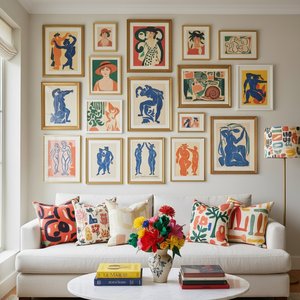
Ontdek de top 25 meesterwerken van Henri Matisse! Duik in de wereld van Fauvisme, kleurrijke composities & expressieve kunst. Vind museumkwaliteit reproducties en decoratie-inspiratie op Most-Famous-Paintings.com. Exploreer de collectie online!

Ontdek de 10 meest iconische Fauvist meesterwerken van kunstenaars als Matisse & Derain. Duik in expressieve kleuren en baanbrekende technieken! Museumkwaliteit reproducties voor uw interieur op Most-Famous-Paintings.com
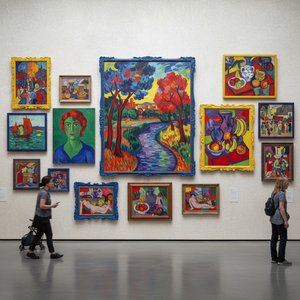
Ontdek de 10 meest iconische Fauvistische meesterwerken van kunstenaars als Matisse & Derain. Leer over kleur, expressie en hun invloed op moderne kunst. Museumkwaliteit reproducties voor uw interieur? Bekijk ze nu op Most-Famous-Paintings.com!

Ontdek 10 iconische kunstwerken die durf en expressie belichamen! Van Van Gogh tot Picasso, leer over de verhalen achter krachtige schilderijen & vind museumkwaliteit reproducties voor jouw interieur. Explore the full collection on Most-Famous-Paintings.com

Ontdek de 10 meest iconische impressionistische landschappen van Monet, Renoir & meer. Leer over hun technieken en betekenis. Vind museumkwaliteit kunst reproducties voor uw interieur op Most-Famous-Paintings.com!


Blijf op de hoogte van het laatste kunstnieuws, exclusieve aanbiedingen en decoratie-ideeën.
Vertel ons over uw project en onze kunstexperts geven u 3 gepersonaliseerde kunstsuggesties.
Wij stellen drie opties speciaal voor u samen – gratis!


 Voorvertoning
 Verstuur
 Delen
Delen
 Details bekijken

 Download
 Vergelijkbare items
 Röntgenonderzoek
 Diavoorstelling
 Lees meer







 De optie voor glas is alleen beschikbaar bij een formaat kleiner dan 110 cm.


