x

 Olieverf op canvasWanddecoratieFauvism
 1917Modern
 38.0 x 55.0 cm
Giclée- of canvasafdruk van museumkwaliteit met een snelle productie en flexibele afwerkingsmogelijkheden. ( Bestel handgeschilderde reproductie Koop afbeelding)





























Kies uit onze vooraf ingestelde maten die overeenkomen met de originele verhoudingen van het kunstwerk.

U kunt uw eigen afmetingen opgeven om in een specifieke lijst of ruimte te passen. Als de door u gekozen maat niet overeenkomt met de proporties van het originele kunstwerk, zullen wij de afbeelding bijsnijden of uitbreiden met een gespiegelde of effen rand. Een digitaal mockup wordt ter goedkeuring naar u verzonden voordat de productie begint.
Houd er rekening mee dat de preview op het scherm de werkelijke bijsneding of uitbreiding niet weergeeft. Alleen de mockup toont de uiteindelijke compositie nauwkeurig.
Hoewel aangepaste maten beschikbaar zijn, raden wij aan een afmeting uit de vooraf bepaalde lijst te kiezen om de originele proporties te behouden.
Wereldwijde levering () binnen 2 weken in plaats van de standaard 4/5 weken. (18 augustus)


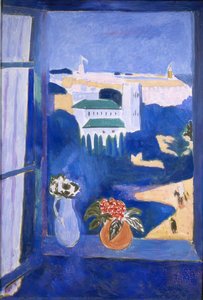
The Windshield
Afmetingen reproductie
Henri Matisse’s "The Windshield," created in 1917, is more than just a depiction of a car; it's a vibrant snapshot of early 20th-century modernity and a testament to the artist's innovative approach to perspective. Measuring 38 x 55 cm, this painting encapsulates the spirit of Fauvism while simultaneously reflecting the changing landscape of urban life and technological advancement.
The composition of "The Windshield" is strikingly unique. Instead of presenting a traditional exterior view of a car, Matisse positions the viewer inside the vehicle, looking out through the windshield. This unusual perspective immediately draws the audience into the scene, creating an immersive experience. The road stretches forward, flanked by trees that suggest movement and depth. A steering wheel is visible on the right side, and a figure can be discerned in the driver's seat, subtly hinting at the human element within this mechanical setting. The painting isn’t about precise representation; it’s about conveying the feeling of being in motion, experiencing the world from a new vantage point.
As a quintessential example of Fauvism, "The Windshield" showcases Matisse's signature use of bold colors and energetic brushstrokes. The palette isn’t naturalistic; instead, it employs vibrant hues—shades of white, grey, brown, and pink – to create an emotional impact rather than a photographic likeness. Brushstrokes are visible and expressive, contributing to the painting's sense of spontaneity and dynamism. This departure from traditional representational art forms was revolutionary at the time, prioritizing emotional expression over strict adherence to reality. The flattened perspective and simplified shapes further emphasize this stylistic choice.
The painting’s creation in 1917 places it within a period of significant technological and social change. The automobile was rapidly transforming urban life, symbolizing progress, freedom, and the burgeoning modern era. Matisse's depiction of a car in motion captures this sense of forward momentum and reflects the excitement surrounding these new advancements. Beyond its literal subject matter, "The Windshield" can be interpreted as a symbol of human connection to technology and the changing relationship between individuals and their environment. The enclosed space of the car also suggests a degree of privacy and introspection within the bustling modern world.
Henri Matisse is widely recognized, alongside Pablo Picasso, as one of the most influential artists of the 20th century. His pioneering work in Fauvism paved the way for numerous avant-garde movements and continues to inspire artists today. "The Windshield" stands as a testament to his innovative spirit and artistic vision—a captivating piece that embodies the essence of Fauvist art while offering a unique perspective on modernity. For those interested in exploring more of Matisse's works, consider:
For a deeper understanding of the Fauvist movement and its impact on modern art, visit The Museum of the Annunciation (France) - A Haven for Art Lovers on Most-Famous-Paintings.


1869 - 1954 , Frankrijk

Explore the profound history of landscape masterpieces. From the Barbizon School to Monet's Impressionism, discover how timeless natural scenes bring serenity and prestige to your collection through museum-quality, hand-painted oil reproductions.


Blijf op de hoogte van het laatste kunstnieuws, exclusieve aanbiedingen en decoratie-ideeën.
Vertel ons over uw project en onze kunstexperts geven u 3 gepersonaliseerde kunstsuggesties.
Wij stellen drie opties speciaal voor u samen – gratis!


 Voorvertoning
 Verstuur
 Delen
Delen
 Details bekijken

 Download
 Vergelijkbare items
 Röntgenonderzoek
 Diavoorstelling
 Lees meer







 De optie voor glas is alleen beschikbaar bij een formaat kleiner dan 110 cm.