


x

Giclée- of canvasafdruk van museumkwaliteit met een snelle productie en flexibele afwerkingsmogelijkheden. ( Bestel handgeschilderde reproductie Koop afbeelding)
Kies uit onze vooraf ingestelde maten die overeenkomen met de originele verhoudingen van het kunstwerk.

U kunt uw eigen afmetingen opgeven om in een specifieke lijst of ruimte te passen. Als de door u gekozen maat niet overeenkomt met de proporties van het originele kunstwerk, zullen wij de afbeelding bijsnijden of uitbreiden met een gespiegelde of effen rand. Een digitaal mockup wordt ter goedkeuring naar u verzonden voordat de productie begint.
Houd er rekening mee dat de preview op het scherm de werkelijke bijsneding of uitbreiding niet weergeeft. Alleen de mockup toont de uiteindelijke compositie nauwkeurig.
Hoewel aangepaste maten beschikbaar zijn, raden wij aan een afmeting uit de vooraf bepaalde lijst te kiezen om de originele proporties te behouden.
Wereldwijde levering () binnen 2 weken in plaats van de standaard 4/5 weken. (15 augustus)


Seated Figure
Afmetingen reproductie
The year 1917 marks the genesis of Jacques Lipchitz’s monumental sculpture, ‘Seated Figure,’ a cornerstone of Cubism and an enduring testament to Picasso and Braque's revolutionary vision. Born Chaim Jacob Lipschitz in Druskininkai, Lithuania, Lipchitz embarked on his artistic journey fueled by familial encouragement and propelled toward Paris in 1909 – the epicenter of avant-garde fervor.
Lipchitz’s approach to ‘Seated Figure’ embodies the core tenets of Cubism. Rejecting traditional perspective, he dismantles the human form into fragmented geometric planes—primarily rectangular blocks stacked and layered—creating an abstracted representation that prioritizes conceptual exploration over realistic depiction. The sculptor meticulously employs subtractive sculpting techniques, skillfully removing material from a pale limestone block to reveal the underlying structure. This method accentuates the rough texture of the stone, mirroring Lipchitz’s deliberate hand-carving process.
‘Seated Figure’ emerged during a period of profound artistic upheaval—the burgeoning School of Paris witnessed an explosion of experimentation across disciplines. Lipchitz's formative years were spent honing his craft alongside fellow artists like Picasso, Gris, and Modigliani, fostering a collaborative spirit that propelled Cubism forward. The sculpture directly reflects the influence of Picasso’s groundbreaking work on fragmented form and perspective, establishing ‘Seated Figure’ as a pivotal contribution to the movement.
Beyond its formal innovation, ‘Seated Figure’ carries symbolic weight. Lipchitz deliberately presents the seated human form in multiple viewpoints simultaneously—a technique that underscores the multifaceted nature of perception and challenges viewers to reconsider conventional notions of representation. The sculpture serves as a visual metaphor for deconstructing reality, prompting contemplation on how we perceive and interpret the world around us.
Despite its geometric abstraction, ‘Seated Figure’ possesses an undeniable emotional resonance. The sculpture's austere materiality—the cool beige stone—contrasts subtly with the dynamic interplay of planes, creating a sense of quiet intensity. Lipchitz’s masterful manipulation of texture and light contributes to this effect, inviting viewers into a contemplative dialogue about form, space, and human experience.
This remarkable sculpture exemplifies Lipchitz’s unwavering commitment to artistic innovation and continues to inspire admiration for its groundbreaking aesthetic and profound conceptual depth.


1891 - 1973 , Lithuania
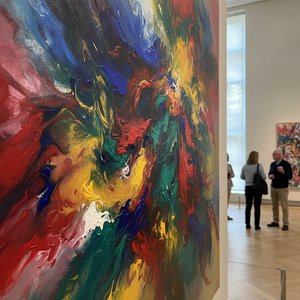
Explore the profound emotional depth of Lyrical Abstraction. Discover how masters like Raymond Parker used color and form to bridge Impressionism and Abstract Expressionism. Learn about this pivotal movement through our expert-led art history guide.

Explore the profound history of sculpture, from classical realism to modern abstraction. Discover the mastery of form, texture, and medium through an expert art-historical lens designed for discerning collectors and enthusiasts.

Explore the profound emotional depth of Color Field painting. Discover the history of mid-century abstraction, from Rothko to Newman, and learn how pure color transforms the viewer's experience through our expert art history guide.


Blijf op de hoogte van het laatste kunstnieuws, exclusieve aanbiedingen en decoratie-ideeën.
Vertel ons over uw project en onze kunstexperts geven u 3 gepersonaliseerde kunstsuggesties.
Wij stellen drie opties speciaal voor u samen – gratis!


 Verstuur
 Delen
Delen
 Details bekijken

 Download
 Vergelijkbare items
 Diavoorstelling


 Lees meer




































 De optie voor glas is alleen beschikbaar bij een formaat kleiner dan 110 cm.


