


x

Koop een digitale afbeelding in hoge resolutie met verbeterde kwaliteit, die veel superieur is aan de online voorvertoning.
Elk bestand wordt met uiterste precisie voorbereid door onze interne specialisten, met behulp van geavanceerde tools en deskundige handmatige retouche. Wij garanderen dat elke afbeelding een uitzonderlijke helderheid, nauwkeurige kleurweergave en verfijnde details bezit.
Het uiteindelijke bestand wordt binnen 72 uur per e-mail geleverd, geoptimaliseerd voor direct gebruik in professionele, redactionele en printomgevingen. Dit is dezelfde kwaliteit waarop vooraanstaande designstudio's, uitgevers en galerieën vertrouwen.
Download een bestand met hoge resolutie voor persoonlijke weergave, afdrukken en creatieve projecten. ( Bestel print Bestel handgeschilderde reproductie)
Wanneer u kiest voor Most-Famous-Paintings.com, ontvangt u niet alleen een afbeelding – u krijgt een professioneel verbeterd digitaal kunstwerk, met precisie vervaardigd en voorzien van een tevredenheidsgarantie. Dit is alles wat automatisch bij uw bestelling is inbegrepen:

Uw hoogwaardige digitale afbeeldingsbestand wordt binnen 72 uur na bestelling naar u gemaild – klaar voor direct gebruik.

Uw kunstwerk wordt professioneel geoptimaliseerd met behulp van geavanceerde AI-tools en handmatige bewerkingen, waardoor maximale details, helderheid en kleurnauwkeurigheid worden gegarandeerd.

Je bestand per ongeluk verwijderd of kwijtgeraakt? Geen zorgen – we sturen het u op elk gewenst moment gratis opnieuw toe.

Geniet direct van uw kunstwerk zonder invoerrechten, belastingen of verzendkosten – digitale downloads zijn altijd belastingvrij.

Met behulp van professionele hulpmiddelen en kleurbeheer zorgen wij ervoor dat uw digitale afbeelding de originele kleuren zo nauwkeurig mogelijk weergeeft.

Als u niet tevreden bent met uw digitale afbeelding, passen wij deze aan of storten wij 100% terug binnen 60 dagen – zonder vragen gesteld.

Niet tevreden? Ontvang binnen 60 dagen na ontvangst van uw digitale bestand uw volledige aankoopbedrag terug – zonder vragen te stellen.

Koop 3 afbeeldingen, bespaar 10% - Koop 5, bespaar 15% - Koop 10+, bespaar 20%. Ideaal voor creatieve projecten, galerieën en bureaus.
To step into Joan Miró’s "El Circo" is to abandon the heavy, predictable weight of the physical world and enter a realm where gravity is merely a suggestion. Created between 1967 and 1968, this masterpiece serves as a vibrant explosion of color and form, transcending mere visual representation to embody the very essence of the surrealist imagination. Miró himself described the work as “a dream,” a sentiment that resonates through every irregular line and celestial splash of pigment. The painting does not simply depict a circus; it channels the profound anxieties and soaring aspirations of a generation navigating the complexities of the postwar era, offering a sanctuary of subconscious exploration where the boundaries between reality and fantasy dissolve into a harmonious, chaotic dance.
At the heart of this cosmic panorama lies a captivating, spider-like figure that dominates the composition, acting as an anchor for the surrounding whirlwind of activity. This central creature, surrounded by smaller humanoids and enigmatic geometric shapes, creates a deliberate disruption of conventional perspective. Miró’s signature style is on full display here, utilizing bold, irregular lines and a primary palette of reds, yellows, blues, and greens that pulse with life. The technique itself is a masterful blend of painting and collage; by incorporating fragments of paper and fabric into the canvas surface, Miró achieves a textural richness that invites the viewer to touch the dream with their eyes. This tactile quality reinforces the artwork's organic nature, making the piece feel less like a static image and more like a living, breathing entity.
The historical context of "El Circo" is essential to grasping its deeper emotional resonance. Emerging from the shadows of global conflict and the repressive ideologies of fascism, Surrealism sought an antidote through artistic experimentation rooted in the psychoanalytic theories of Sigmund Freud. Miró’s work aligns perfectly with this ethos, rejecting academic rigidity in favor of intuition and the liberation of the unconscious mind. The fantastical creatures and fractured shapes within the painting mirror the fragmented realities experienced during the turbulent years following World War II, yet they simultaneously offer a sense of boundless possibility. Every shape and color serves as a visual poem, translating the silent whispers of the Catalan landscape and the vibrant spirit of Barcelona into a universal language of wonder.
For the discerning collector or interior designer, "El Circo" offers more than just aesthetic brilliance; it provides an emotional focal point that commands attention and sparks conversation. The dynamic composition and energetic use of color make it an ideal centerpiece for modern spaces, bringing a sense of playful intellect and avant-garde sophistication to any room. Whether viewed as a study in mid-century abstraction or a profound exploration of the human psyche, this work remains a timeless testament to Miró's ability to capture the intangible. Owning a high-quality reproduction of such a seminal piece allows one to invite that same sense of childlike wonder and surrealist magic into the home, turning a living space into a gallery of infinite imagination.

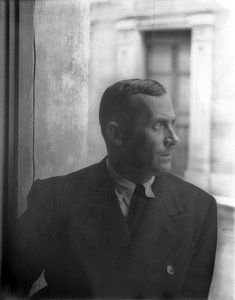
1893 - 1983 , Spanje


Blijf op de hoogte van het laatste kunstnieuws, exclusieve aanbiedingen en decoratie-ideeën.
Vertel ons over uw project en onze kunstexperts geven u 3 gepersonaliseerde kunstsuggesties.
Wij stellen drie opties speciaal voor u samen – gratis!


 Voorvertoning
 Verstuur
 Delen
Delen
 Details bekijken

 Download
 Vergelijkbare items
 Röntgenonderzoek
 Diavoorstelling

 Lees meer


