x
Giclée- of canvasafdruk van museumkwaliteit met een snelle productie en flexibele afwerkingsmogelijkheden. ( Bestel handgeschilderde reproductie Koop afbeelding)
Kies uit onze vooraf ingestelde maten die overeenkomen met de originele verhoudingen van het kunstwerk.

U kunt uw eigen afmetingen opgeven om in een specifieke lijst of ruimte te passen. Als de door u gekozen maat niet overeenkomt met de proporties van het originele kunstwerk, zullen wij de afbeelding bijsnijden of uitbreiden met een gespiegelde of effen rand. Een digitaal mockup wordt ter goedkeuring naar u verzonden voordat de productie begint.
Houd er rekening mee dat de preview op het scherm de werkelijke bijsneding of uitbreiding niet weergeeft. Alleen de mockup toont de uiteindelijke compositie nauwkeurig.
Hoewel aangepaste maten beschikbaar zijn, raden wij aan een afmeting uit de vooraf bepaalde lijst te kiezen om de originele proporties te behouden.
Wereldwijde levering () binnen 2 weken in plaats van de standaard 4/5 weken. (20 augustus)


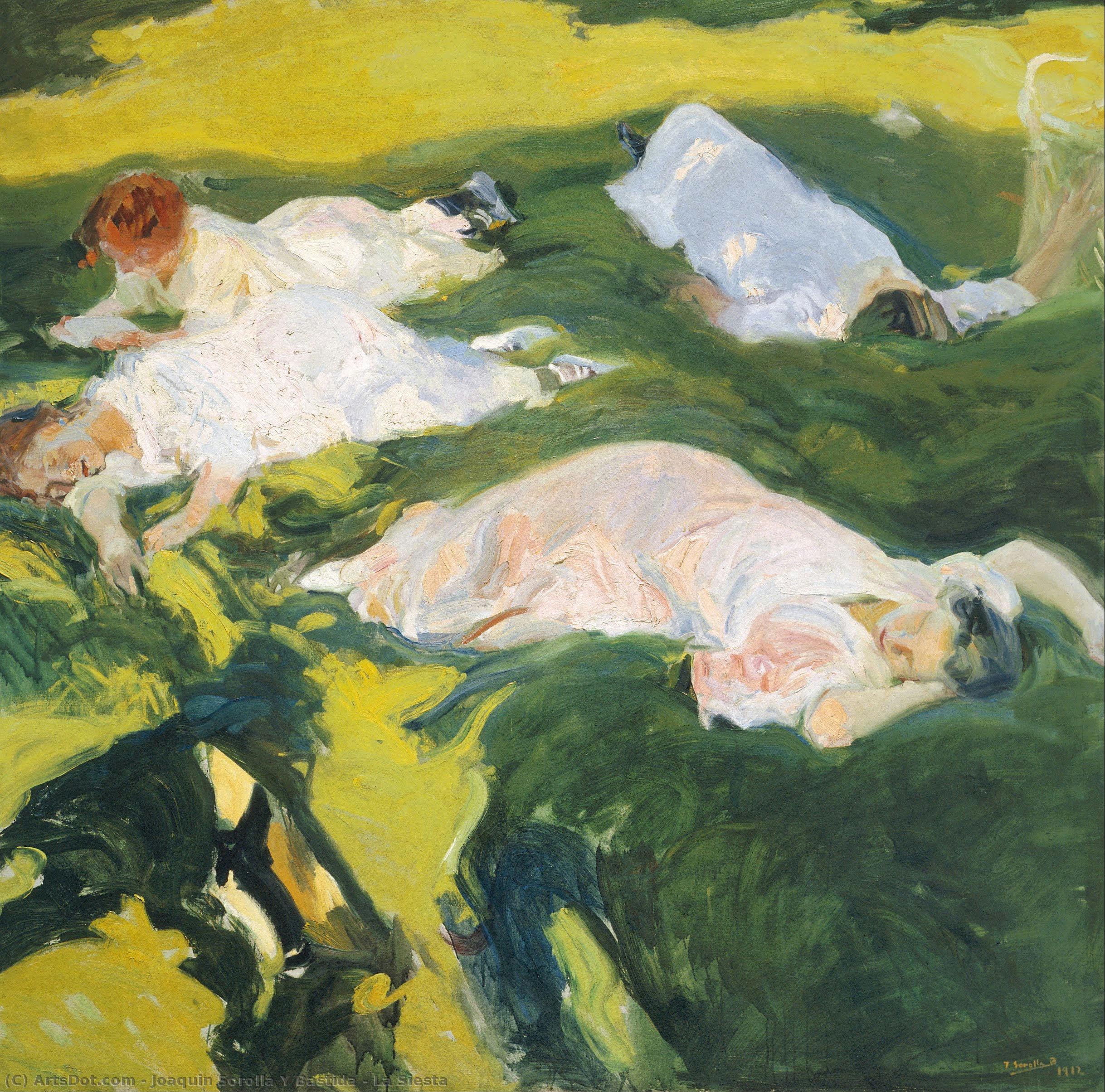
De Siësta
Afmetingen reproductie
Joaquín Sorolla y Bastida (1863 – 1923) staat te boek als een van Spanje's meest gevierde impressionisten, een schilder wiens doeken de essentie van het mediterrane leven vangen met een ongeëvenaarde lichtkracht en directheid. Zijn oeuvre wordt gekenmerende door een obsessie met het vastleggen van vluchtige momenten van zonlicht dat door het gebladerte filtert—een preoccupatie die haar puurste expressie vindt in “La Siesta”, voltooid in 1911 tijdens het zomerverblijf van zijn familie in San Sebastián. Meer dan slechts een schilderachtig tafereel van ontspanning, duikt dit schilderij diep in het psychologische landschap van huiselijke rust en belichaamt het Sorolla's kenmerkende artistieke visie.
Sorolla portretteert met uiterste precisie een scène van serene rust – vier vrouwen die op het gras liggen in de schaduw van olijfbomen. Deze figuren vertegenwoordigen Sorolla's vrouw, María Mercè Farreras, hun twee dochters, Julieta en Cristiana, en een nicht. De compositie vermijdt weidse vergezichten of dramatische verhalen; in plaats daarvan richt het zich intensief op de intieme details van het dagelijks leven. Deze bewuste keuze weerspiegelt Sorolla's overtuiging dat ware schoonheid schuilt in het vastleggen van de eenvoudigste genoegens en emoties—een sentiment dat krachtig wordt overgebracht door de languide houdingen van de vrouwen en hun stille contemplatie.
De meesterlijke techniek van Sorolla is direct herkenbaar. Hij maakt gebruik van snelle, losse penseelstreken – een handelsmerk van het impressionisme – om een verbazingwend effect van licht en kleur te bereiken. De kunstenaar laat het traditionele perspectief varen en vlakt het canvas af om het gevoel van aanwezigheid en onmiddellijkheid te versterken. Let in het bijzonder op het levendige smaragdgroen van het gras, weergegeven met glinsterende pigmenten die lijken te vibreren van warmte. Het palet van Sorolla wordt gedomineerd door tinten geel en oker, die de gouden gloed van de middagzon weerspiegelen. Deze kleuren zijn niet louter beschrijvend; ze zijn emotioneel geladen en roepen gevoelens op van comfort, sereniteit en nostalgie naar voorbijgegane zomerdagen. De kunstenaar mengt kleur moeiteloos met kleur, waardoor een nevelige atmosfeer ontstaat die randen verzacht en de algehele indruk van zachtheid en rust versterkt.
“La Siesta” komt voort uit een cruciale periode in de Spaanse geschiedenis – de Belle Époque—een tijd die werd gekenmerende door optimisme, artistieke experimenteerdrift en opkomende sociale hervormingen. Het werk van Sorolla sluit perfect aan bij de bredere impressionistische beweging, die academische conventies verwierp en de subjectieve ervaring omarmde. Hij werd beïnvloed door kunstenaars als Claude Monet en Pierre-Auguste Renoir, die eveneens zochten naar de vluchtige schoonheid van de natuur en menselijke emotie. Sorolla onderscheidt zich echter door zijn onwankelbare toewijding aan het authentiek afbeelden van het Spaanse leven—een bewuste inspanning om het culturele erfgoed van de natie te vieren, terwijl hij tegelijkertijd de dialoog aanging met nieuwe artistieke ideeën.
De alomtegenwoordige luminescentie in “La Siesta” is doordrenkt van symbolische betekenis. Licht vertegenwoordigt voor Sorolla niet alleen verlichting, maar ook vitaliteit en spirituele transcendentie—thema's die centraal staan in zijn artistieke filosofie. Het gevlekte zonlicht dat door de olijfbomen filtert, symboliseert een respijt van arbeid en verantwoordelijkheid, wat een staat van gelukzalige inactiviteit bevordert. Bovendien belichaamt de liggende houding van de vrouwen kwetsbaarheid en acceptatie – een uitnodiging om even stil te staan, te reflecteren en de schoonheid van het huidige moment te proeven. Sorolla's bewuste uitsluiting van de horizon versterkt dit gevoel van beslotenheid en intimiteit, waardoor de kijker wordt meegezogen naar het rustige hart van de scène.
Uiteindelijk slaagt “La Siesta” erin de kijker te transporteren naar een plek van diepe vrede en tevredenheid. Sorolla's meesterlijke weergave van licht en kleur roept gevoelens van warmte, nostalgie en vreugde op—een getuigenis van zijn vermogen om niet alleen vast te leggen wat hij zag, maar ook wat hij voelde. Het is een schilderij dat spreekt tot onze diepste verlangens naar eenvoud, schoonheid en verbinding met de natuur—een tijdloos meesterwerk dat vandaag de dag nog steeds resoneert bij het publiek.

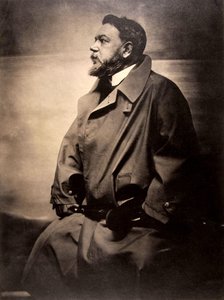
1863 - 1923 , Spanje
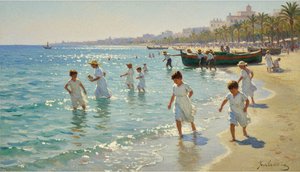
Explore the luminous world of Joaquín Sorolla, Spanish master of Impressionism. Discover his life, techniques & legacy – a guide for art collectors and enthusiasts. Invest in timeless beauty.
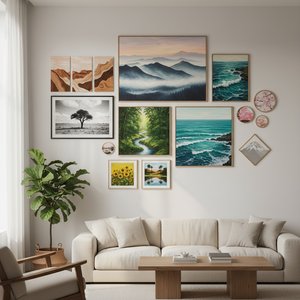
Ontdek de top 10 landschapschilderijen van Monet, Van Gogh & meer! Duik in de geschiedenis en betekenis achter deze iconische kunstwerken. Vind museumkwaliteit reproducties & interieurinspiratie op Most-Famous-Paintings.com.

Explore the rich history of landscape art with Most-Famous-Paintings. Discover renowned artists, movements like Impressionism & Romanticism, and expert guidance for collecting timeless pieces. Find your perfect serene escape today!

Explore the rich history of landscape art with Most-Famous-Paintings. Discover renowned artists, movements like Impressionism & tonalism, and expert guidance for collecting timeless pieces. Find your perfect serene escape today!
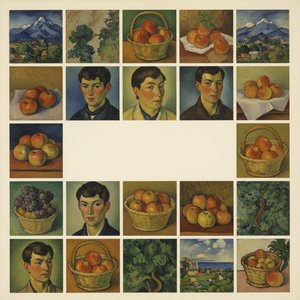
Ontdek de 25 meest iconische schilderijen van Paul Cézanne! Duik in zijn kleurrijke wereld, leer over impressionisme & post-impressionisme en bewonder meesterwerken als 'De Baders'. Vind museumkwaliteit reproducties & interieurinspiratie op Most-Famous-Paintings.com.


Blijf op de hoogte van het laatste kunstnieuws, exclusieve aanbiedingen en decoratie-ideeën.
Vertel ons over uw project en onze kunstexperts geven u 3 gepersonaliseerde kunstsuggesties.
Wij stellen drie opties speciaal voor u samen – gratis!


 Voorvertoning
 Verstuur
 Delen
Delen
 Details bekijken

 Download
 Vergelijkbare items
 Röntgenonderzoek
 Diavoorstelling


 Lees meer




































 De optie voor glas is alleen beschikbaar bij een formaat kleiner dan 110 cm.