Verkoop uw kunst
Verlanglijstje Winkelwagen Cart
VoorvertoningVoorvertoning Bekijk in ARBekijk in AR Bestel handgeschilderde reproductie Bestel handgeschilderde reproductieKoop afbeelding Koop afbeelding VerstuurVerstuur
Details bekijkenDetails bekijken Toevoegen aan favorieten Toevoegen aan favorieten DownloadDownload Vergelijkbare itemsVergelijkbare items RöntgenonderzoekRöntgenonderzoek DiavoorstellingDiavoorstelling

Peppers

Joaquín Sorolla's 'Peppers' (1903) captures the vibrancy of Spanish life with bold brushstrokes and luminous color. A stunning still life at the Hispanic Society of America.

Joaquín Sorolla: Een Spaanse meester van licht en kleur! Bewonder zijn levendige portretten & strandscènes die het mediterrane leven vastleggen. Ontdek zijn erfenis vandaag!

Giclée / Kunstafdrukken

Giclée- of canvasafdruk van museumkwaliteit met een snelle productie en flexibele afwerkingsmogelijkheden. (Bestel handgeschilderde reproductie Bestel handgeschilderde reproductieKoop afbeelding Koop afbeelding)

Standard
custom
CM
INCH

Kies uit onze vooraf ingestelde maten die overeenkomen met de originele verhoudingen van het kunstwerk.

breedte
hoogte

U kunt uw eigen afmetingen opgeven om in een specifieke lijst of ruimte te passen. Als de door u gekozen maat niet overeenkomt met de proporties van het originele kunstwerk, zullen wij de afbeelding bijsnijden of uitbreiden met een gespiegelde of effen rand. Een digitaal mockup wordt ter goedkeuring naar u verzonden voordat de productie begint.
Houd er rekening mee dat de preview op het scherm de werkelijke bijsneding of uitbreiding niet weergeeft. Alleen de mockup toont de uiteindelijke compositie nauwkeurig.
Hoewel aangepaste maten beschikbaar zijn, raden wij aan een afmeting uit de vooraf bepaalde lijst te kiezen om de originele proporties te behouden.

Wereldwijde levering () binnen 2 weken in plaats van de standaard 4/5 weken. (17 augustus)

why_choose_icon
Gratis wereldwijde expressverzending
why_choose_icon
Hoogwaardig linnen canvas
why_choose_icon
Volledige verzendverzekering
why_choose_icon
Garantie op terugbetaling van invoerrechten
why_choose_icon
Garantie op exacte kleurweergave
why_choose_icon
Retourbeleid van 60 dagen (alleen bij defecten)
why_choose_icon
100% Geld-terug-garantie
why_choose_icon
Korting bij meerdere afnames

Totaalprijs

$ 69

reproduction

Peppers

Giclée / Kunstafdrukken

Afmetingen reproductie

-

Eindtotaal

$ 69

Snelle feiten

  • Notable elements or techniques:
    • Bold brushstrokes
    • Vibrant colors
  • Location: Hispanic Society of America
  • Year: 1903
  • Dimensions: 96 x 130 cm
  • Subject or theme: Still life, everyday life
  • Medium: Oil on canvas
  • Artist: Joaquin Sorolla Y Bastida

Kunstquiz

Er is slechts één goed antwoord op elke vraag.

Vraag 1:
What year was the painting "Peppers" by Joaquín Sorolla y Bastida created?
Vraag 2:
Where is the painting "Peppers" currently housed?
Vraag 3:
Which artistic technique is most evident in Sorolla's depiction of light and color in "Peppers"?
Vraag 4:
What best describes the overall mood conveyed by the lighting and composition in the artwork?

Beschrijving verzamelobject

Peppers by Joaquín Sorolla y Bastida: A Study in Light and Life

“Peppers,” painted in 1903 by the renowned Spanish artist Joaquín Sorolla y Bastida, is a captivating example of his signature style – capturing fleeting moments of everyday life with remarkable luminosity. Housed within the esteemed Hispanic Society of America in New York City, this oil on canvas masterpiece (measuring 96 x 130 cm) exemplifies Sorolla’s ability to transform ordinary subjects into extraordinary works of art.

Artistic Style and Technique

Impressionism's Embrace: Sorolla was a leading figure in the Impressionist movement, though he often transcended strict categorization. “Peppers” showcases his distinctive approach: bold brushstrokes, vibrant colors, and an acute observation of light’s effects. Unlike some Impressionists who focused on landscapes, Sorolla excelled at depicting scenes from Spanish life – portraits, beaches, and still lifes like this one.

The Dance of Light: The painting's brilliance lies in its masterful handling of light. Sorolla doesn’t merely depict peppers; he captures the way sunlight illuminates their surfaces, creating a dazzling interplay of highlights and shadows. This technique lends the composition depth and a sense of immediacy, as if the viewer is witnessing the scene unfold in real-time.

  • Color Palette: The use of warm yellows, oranges, and reds for the peppers contrasts beautifully with the darker tones of the background, further emphasizing their vibrancy.
  • Brushwork: Noticeable brushstrokes add texture and movement to the painting, preventing it from appearing static or overly polished.

Subject Matter and Composition

The still life centers around a collection of peppers arranged in what appears to be a rustic setting. The composition is simple yet effective; the peppers are positioned against a muted background, drawing the viewer’s eye directly to their form and color. While seemingly straightforward, Sorolla imbues the scene with a sense of quiet dignity.

  • Everyday Beauty: The choice of subject matter—common vegetables—reflects Sorolla's commitment to finding beauty in the ordinary aspects of Spanish life.
  • Compositional Balance: Despite its simplicity, the arrangement of the peppers demonstrates a careful consideration of balance and visual harmony.

Historical Context and Symbolism

Painted during Spain’s Golden Age revival in the early 20th century, “Peppers” reflects a renewed interest in traditional Spanish culture. Sorolla's work often celebrated the country’s landscapes, people, and customs. While not overtly symbolic, the peppers themselves can be interpreted as representing abundance, nourishment, and the bounty of the land.

  • Spanish Identity: The painting contributes to a broader artistic movement that sought to define and celebrate Spanish national identity.
  • Rural Life: It offers a glimpse into the everyday lives of ordinary Spaniards, showcasing their connection to nature and agriculture.

Emotional Impact and Legacy

“Peppers” evokes a sense of warmth, tranquility, and appreciation for simple pleasures. The painting’s luminous quality creates an uplifting atmosphere, inviting viewers to pause and savor the beauty of the moment. Sorolla's ability to capture such profound emotion through seemingly mundane subjects is what makes “Peppers,” and his other works, so enduringly appealing.

A Lasting Impression: Joaquín Sorolla’s legacy as one of Spain’s most beloved artists continues to grow. "Peppers" stands as a testament to his skill, vision, and unwavering dedication to capturing the essence of life in all its radiant glory.

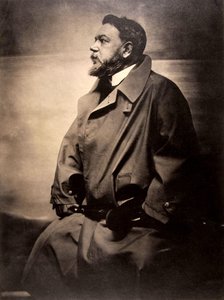
Biografie van de kunstenaar

A Life Bathed in Light: The World of Joaquín Sorolla

Joaquín Sorolla y Bastida, a name inextricably linked to the radiant light and vibrant energy of Spain, was far more than simply a painter; he served as a chronicler of his nation’s very soul. Born in Valencia in 1863, Sorolla's early life unfolded under a shadow of profound loss. Orphaned at the tender age of two following a devastating cholera epidemic that claimed both his parents, young Joaquín and his younger sister were entrusted to the care of their maternal aunt and uncle – an experience that likely instilled within him a deep-seated appreciation for the ephemeral beauty of existence—a sentiment that would profoundly shape his artistic vision. Despite these early hardships, the spark of artistic talent ignited within him, quickly becoming apparent through his initial instruction in Valencia, where his aptitude was recognized, leading to studies under established artists such as Cayetano Capuz and José Benlliure, culminating in a coveted four-year grant to pursue his passion in Rome. It was amidst the classical grandeur of Italy that Sorolla began to forge his distinctive artistic path, absorbing influences while simultaneously developing a style uniquely his own—a synthesis of tradition and innovation.

From Historical Narratives to Sun-Drenched Realism

Sorolla’s early works were largely defined by the prevailing academic trends of the time – sweeping historical and mythological scenes rendered with meticulous detail. However, a transformative shift occurred upon his return to Spain, as he began to truly observe the world around him. He found himself utterly captivated by the everyday lives of his countrymen, particularly those inhabiting the sun-drenched coastline of Valencia. The intense Mediterranean sunlight, the shimmering sea, and the palpable energy of the people became the primary subjects that fueled his artistic endeavors. This transition wasn’t immediate; Sorolla continued to explore social realism with poignant works such as *Sad Inheritance* (1899), a deeply moving depiction of children afflicted by polio bathing in the sea—a painting that garnered significant acclaim, yet simultaneously revealed a compassionate and empathetic side to his artistic sensibilities. *Sad Inheritance*, exhibited at the Universal Exhibition in Paris, brought him widespread recognition and firmly established his position as a leading figure within the Spanish art scene. Yet, it was his increasingly focused exploration of light and color, deeply influenced by Impressionism—though never fully embracing its tenets—that would ultimately define his legacy. He wasn’t merely *depicting* light; he sought to *capture* its very essence—the way it danced on water, illuminated skin, and transformed ordinary moments into scenes brimming with extraordinary beauty.

Master of Luminism: A Unique Artistic Voice

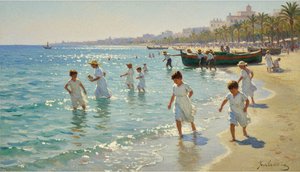
Sorolla's technique became instantly recognizable – a bold and dynamic display of brushwork characterized by loose, energetic strokes that conveyed movement and atmosphere. He favored working *en plein air* whenever possible, directly confronting the challenges of capturing fleeting light conditions. This dedication to painting outdoors resulted in canvases brimming with life and immediacy. His beach scenes—perhaps his most iconic works—are not simply picturesque representations of leisure; they are meticulously crafted studies in luminosity, reflections, and the joyful interaction between people and their environment. Paintings such as *Children on the Seashore* and *Sewing the Sail* exemplify this mastery – figures bathed in golden light, rendered with a remarkable sense of spontaneity and vitality. He wasn’t interested in achieving photographic precision; rather, he sought to convey the *impression* of reality—prioritizing atmosphere and emotion over strict adherence to detail. This approach earned him comparisons to Impressionists like Monet and Renoir, yet Sorolla's work possessed a distinctly Spanish character—a warmth, intensity, and emotional depth that set it apart.

Key Achievements & Recognition

  • 1892: Received the gold medal at the National Exhibition in Madrid for *Another Marguerite*.
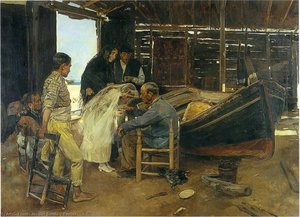
  • 1894: Gained recognition for *The Return from Fishing: Hauling the Boat*, which was acquired by the Musée du Luxembourg.
  • 1899: Awarded a Grand Prix and an honorary medal at the Universal Exhibition in Paris for *Sad Inheritance*.
  • 1900-1923: Enjoyed extensive exhibitions throughout Europe and the United States, solidifying his international reputation.
  • 1912-1928: Commissioned to create *Vision of Spain* for the Hispanic Society of America (completed posthumously).
  • Present Day: His works are proudly displayed in major museums worldwide, including the Museo Sorolla in Madrid.

Legacy and Enduring Influence

By the early 20th century, Joaquín Sorolla had firmly established himself as an internationally renowned artist. He exhibited extensively throughout Europe and the United States, receiving numerous accolades and prestigious commissions. His most ambitious undertaking—*Vision of Spain*, a series of fourteen monumental murals commissioned by the Hispanic Society of America—stands as a testament to his artistic vision and technical skill. Though he suffered a debilitating stroke in 1920 that curtailed his painting activity, Sorolla’s influence continued to grow after his death in 1923. His work inspired generations of artists, not only within Spain but across the globe. Today, his paintings continue to resonate with audiences, reminding us of the power of art to illuminate our world and capture the fleeting beauty of life—a legacy firmly rooted in the radiant light and vibrant spirit of Spain.
Joaquín Sorolla

Joaquín Sorolla

1863 - 1923 , Spanje

Belangrijkste feiten

  • Artistic Movement Or Style: Impressionisme, Luminisme
  • Artists Or Movements Influenced By This Artist: ['Sorolla']
  • Artists Who Influenced This Artist:
    • Pradilla
    • Bastien-Lepage
    • Menzel
  • Date Of Birth: 27 feb 1863
  • Date Of Death: 10 aug 1923
  • Full Name: Joaquín Sorolla y Bastida
  • Nationality: Spaans
  • Notable Artworks:
    • Another Marguerite
    • Return van Vissen
    • Sad Inheritance
  • Place Of Birth: Valencia, Spanje
Ontdek kunstwerken georganiseerd op thema, stijl en kenmerk.