x

 WatercolorWallArtImpressionism
 188319th Century
 35.0 x 24.0 cm
Giclée- of canvasafdruk van museumkwaliteit met een snelle productie en flexibele afwerkingsmogelijkheden. ( Bestel handgeschilderde reproductie Koop afbeelding)





























Kies uit onze vooraf ingestelde maten die overeenkomen met de originele verhoudingen van het kunstwerk.

U kunt uw eigen afmetingen opgeven om in een specifieke lijst of ruimte te passen. Als de door u gekozen maat niet overeenkomt met de proporties van het originele kunstwerk, zullen wij de afbeelding bijsnijden of uitbreiden met een gespiegelde of effen rand. Een digitaal mockup wordt ter goedkeuring naar u verzonden voordat de productie begint.
Houd er rekening mee dat de preview op het scherm de werkelijke bijsneding of uitbreiding niet weergeeft. Alleen de mockup toont de uiteindelijke compositie nauwkeurig.
Hoewel aangepaste maten beschikbaar zijn, raden wij aan een afmeting uit de vooraf bepaalde lijst te kiezen om de originele proporties te behouden.
Wereldwijde levering () binnen 2 weken in plaats van de standaard 4/5 weken. (22 augustus)


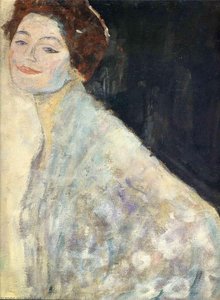
Madame Gautreau
Afmetingen reproductie
The painting Madame Gautreau by John Singer Sargent, created in 1883, is a captivating example of Impressionist portraiture. Measuring 35 x 24 cm, this watercolour masterpiece offers a glimpse into the world of Parisian high society and showcases Sargent’s remarkable ability to capture both physical likeness and psychological depth.
Sargent's composition in Madame Gautreau is characterized by a refined elegance and intimate atmosphere. Madame Gautreau sits gracefully in a chair, her hands delicately folded, exuding an air of poise and sophistication. The background subtly incorporates elements like a couch and piano, adding depth to the scene without distracting from the central figure. Sargent’s masterful use of watercolour lends the painting a soft, ethereal quality, typical of Impressionist techniques. He employed loose brushstrokes and translucent washes of colour to create a sense of movement and light, capturing the fleeting essence of his subject rather than striving for photographic realism.
Madame Gautreau herself was a figure of considerable notoriety in Parisian society. Born in New Orleans, she became known as “La Belle Americaine” for her striking beauty and unconventional style. She cultivated an image of refined elegance, often seen adorned with elaborate gowns and jewelry. Sargent’s portrait aimed to capture this carefully constructed persona, but it also hinted at a more complex personality beneath the surface. The painting sparked controversy upon its debut at the Paris Salon in 1884 due to what some considered an overly revealing gown and a provocative pose. This scandal briefly overshadowed Sargent's rising reputation, though ultimately contributed to the work’s enduring fame.
John Singer Sargent (1856-1925) was an American artist who spent much of his career in Europe. He received formal training in Paris under Carolus-Duran, a prominent portraitist who emphasized direct observation and bold brushwork. Sargent’s style reflects the influence of European art movements, particularly Impressionism, while retaining a distinctive personal flair. His work can be found in prestigious museums worldwide, including the Currier Museum of Art in Manchester, New Hampshire, alongside works by masters like Picasso, Matisse, and Monet. Sargent’s ability to capture the essence of his subjects with a few deft strokes established him as one of the leading portrait painters of his generation.
Beyond its aesthetic beauty, Madame Gautreau evokes a range of emotions and invites contemplation. The painting’s muted colour palette and introspective pose create a sense of quiet melancholy or perhaps even vulnerability beneath the veneer of social elegance. Sargent's portrayal transcends a mere likeness; it offers a glimpse into the complexities of identity, beauty, and societal expectations in late 19th-century Paris. The work remains a powerful testament to Sargent’s skill as an artist and his ability to capture not just what he saw, but also what he felt.

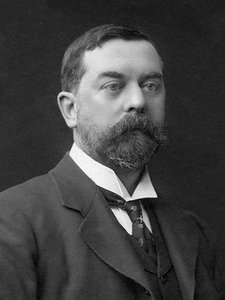
1856 - 1925 , Italië

Explore the profound history and technical mastery of watercolor painting. From medieval manuscripts to the luminous works of John Singer Sargent, discover how artists capture light and transparency through this delicate, enduring medium.


Blijf op de hoogte van het laatste kunstnieuws, exclusieve aanbiedingen en decoratie-ideeën.
Vertel ons over uw project en onze kunstexperts geven u 3 gepersonaliseerde kunstsuggesties.
Wij stellen drie opties speciaal voor u samen – gratis!


 Voorvertoning
 Verstuur
 Delen
Delen
 Details bekijken

 Download
 Vergelijkbare items
 Röntgenonderzoek
 Diavoorstelling
 Lees meer







 De optie voor glas is alleen beschikbaar bij een formaat kleiner dan 110 cm.