


x

 Abstract Expressionism
 1962
1962 165.0 x 137.0 cm
Met de hand geschilderd in olieverf op canvas in uw gewenste maat en lijst, op bestelling gemaakt door onze kunstenaars. ( Bestel print Koop afbeelding)
Kies uit onze vooraf ingestelde maten die overeenkomen met de originele verhoudingen van het kunstwerk.

U kunt uw eigen afmetingen invoeren om in een specifieke lijst of ruimte te passen. Als de door u gekozen maat niet overeenkomt met de verhoudingen van het originele beeld, zullen we het kunstwerk bijsnijden of het schilderij uitbreiden met extra handgeschilderde elementen. Een digitale mockup wordt ter goedkeuring naar u verzonden voordat de productie begint.
Houd er rekening mee dat de preview op het scherm niet de werkelijke uitsnede of uitbreiding weergeeft. Alleen de mockup toont de uiteindelijke compositie nauwkeurig.
Hoewel aangepaste afmetingen mogelijk zijn, raden we aan een maat uit de vooraf gedefinieerde lijst te selecteren om de originele verhoudingen te behouden.
Wereldwijde levering () binnen 3 tot 4 weken in plaats van de standaard 5 weken. (14 augustus). Zonder concessies aan de kwaliteit.


To Point
Afmetingen reproductie

Kenzo Okada stands as a singular figure in the tapestry of 20th-century art—a Japanese-born American painter who carved out an indelible mark within the vibrant, often turbulent landscape of Abstract Expressionism. His life and work embody a fascinating confluence of cultural heritage and avant-garde experimentation, acting as a bridge between the disciplined aesthetics of the East and the spontaneous energy of the West. Often celebrated as the first Japanese-American artist to achieve international acclaim within the Abstract Expressionist style, Okada brought to American abstraction a sense of civilized restraint, an elegance of device, and an unusual gift for the poetic transmutation of natural forms.
Born on September 28, 1902, in Yokohama, Japan, Okada’s early path was marked by a quiet struggle between familial expectation and personal passion. His father, a prominent industrialist, prioritized practical stability over the perceived instability of a creative life. Yet, following his father's passing, Okada found the freedom to pursue his true calling, enrolling at the Tokyo School of Fine Arts. This period of rigorous training in Western painting techniques provided him with a formidable foundation, but the allure of the global art scene proved too strong to resist. In 1924, driven by a thirst for the intellectual dynamism of Europe, he departed Japan for Paris, where he studied under the renowned Japanese expatriate Tsuguharu Foujita. This formative era in France exposed him to the stylistic innovations of Impressionism and Fauvism, planting the seeds for his eventual evolution toward abstraction.
The trajectory of Okada’s career was defined by a series of pivotal transitions that saw him moving from urban subjects to deeply meditative, lyrical abstractions. After debuting at the Salon d'Automne in Paris in 1927, he returned to Japan, quickly establishing himself as a respected figure through solo exhibitions and participation in prestigious groups like the Nika-ten. However, it was his eventual move to the United States that would catalyze his most significant artistic breakthroughs. In the mid-century New York art scene, Okada found a landscape that allowed him to merge his Japanese sensibilities with the burgeoning movement of Color Field painting and Abstract Expressionism.
His mature work is characterized by a profound sensitivity to color and a mastery of subtle tonalities. Unlike some of his contemporaries who relied on aggressive gestures, Okada’s technique often involved delicate, sensitive brushstrokes that created a sense of depth and atmospheric complexity. His paintings frequently evoke the essence of landscapes without explicitly depicting them; instead, they use earth colors, muted blues, and soft greens to create a poetic interpretation of the natural world. In masterpieces such as To Point and Grey, one can observe how he utilized abstract patterns and balanced compositions to achieve a state of tension and resolution, inviting the viewer into a space of quiet contemplation.
The historical significance of Kenzo Okada lies in his ability to harmonize disparate worlds. He did not merely adopt Western abstraction; he transformed it through the lens of an Eastern aesthetic rooted in subtlety and grace. This unique synthesis earned him some of the highest honors in the art world, including the Astorre Meyer Prize and the UNESCO Prize at the 29th Venice Biennale in 1958, where his work was featured in the Japan Pavilion.
His enduring influence is reflected in the prestigious collections that house his legacy. His works are held in the permanent collections of the world's most esteemed institutions, including:
Through his ability to translate the ephemeral qualities of light and nature into enduring abstract forms, Kenzo Okada remains a vital figure for scholars and lovers of art alike. He remains a pioneer who proved that abstraction could be both powerful and profoundly peaceful, leaving behind a body of work that continues to resonate with an elegance that transcends borders and generations.

1902 - 1982 , Japan
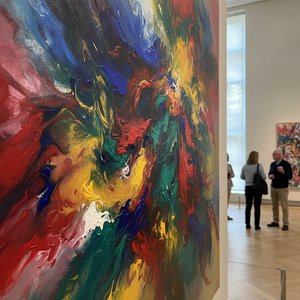
Explore the profound emotional depth of Lyrical Abstraction. Discover how masters like Raymond Parker used color and form to bridge Impressionism and Abstract Expressionism. Learn about this pivotal movement through our expert-led art history guide.

Explore the profound emotional depth of Color Field painting. Discover the history of mid-century abstraction, from Rothko to Newman, and learn how pure color transforms the viewer's experience through our expert art history guide.

Explore the profound history and emotional depth of Abstract Expressionism. From Jackson Pollock to Mark Rothko, master the nuances of the New York School through our expert art history guide. Discover museum-quality hand-painted reproductions for your collection.

Discover the profound emotional depth and investment potential of contemporary abstraction. Our expert guide explores how texture, movement, and form create timeless value for discerning art collectors and sophisticated interiors.
Master the nuances of abstract art with our expert guide. Explore the profound emotional depth of non-objective forms, from Abstract Expressionism to Color Field painting, and learn how to curate impactful, sophisticated masterpieces for your private collection.


Blijf op de hoogte van het laatste kunstnieuws, exclusieve aanbiedingen en decoratie-ideeën.
Vertel ons over uw project en onze kunstexperts geven u 3 gepersonaliseerde kunstsuggesties.
Wij stellen drie opties speciaal voor u samen – gratis!


 Voorvertoning
 Verstuur
 Delen
Delen
 Details bekijken

 Download
 Vergelijkbare items
 Röntgenonderzoek
 Diavoorstelling
 Lees meer




































 De optie voor glas is alleen beschikbaar bij een formaat kleiner dan 110 cm.


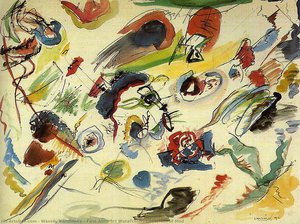
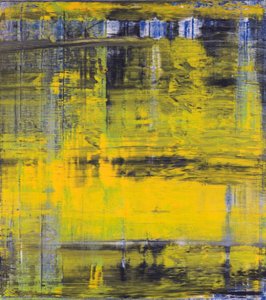


![Abstract Composition [triptych] — Vaclav Vytlacil, Abstract Expressionism](/media/artworks/images/thumbnails/e5/3d/e53db42ea02644b9a8e722f9d4dd3742.jpg)

