x


 Bestel schilderij Koop afbeelding in hoge resolutie
 Verstuur
 Details bekijken
 Toevoegen aan favorieten
 Download
 Vergelijkbare werken
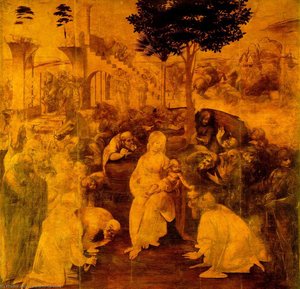
 Röntgenonderzoek
 Diavoorstelling
Giclée- of canvasafdruk van museumkwaliteit met snelle productie en flexibele afwerkingsopties.





























Kies uit onze vooraf ingestelde maten die overeenkomen met de originele verhoudingen van het kunstwerk.

U kunt uw eigen afmetingen opgeven om in een specifieke lijst of ruimte te passen. Als de door u gekozen maat niet overeenkomt met de proporties van het originele kunstwerk, zullen wij de afbeelding bijsnijden of uitbreiden met een gespiegelde of effen rand. Een digitaal mockup wordt ter goedkeuring naar u verzonden voordat de productie begint.
Houd er rekening mee dat de preview op het scherm de werkelijke bijsneding of uitbreiding niet weergeeft. Alleen de mockup toont de uiteindelijke compositie nauwkeurig.
Hoewel aangepaste maten beschikbaar zijn, raden wij aan een afmeting uit de vooraf bepaalde lijst te kiezen om de originele proporties te behouden.
Wereldwijde levering () binnen 2 weken in plaats van de standaard 4/5 weken. (22 juli)


Ceiling decoration
Afmetingen reproductie
Within the imposing Castello Sforzesco in Milan resides a fresco that transcends mere decoration—it is a meticulously crafted microcosm, a testament to Leonardo da Vinci’s boundless curiosity and artistic genius. Known as “Sala delle Asse” (Room of the Tower), this ceiling decoration, completed between 1496 and 1498, represents far more than just a painted surface; it embodies a profound exploration of nature, geometry, and the human condition. Commissioned by Ludovico Sforza, Duke of Milan, as part of his ambitious plan to transform the castle into a family mausoleum, the fresco was initially intended to adorn the chapel’s vaulted ceiling. Leonardo, already a celebrated artist in Florence, was invited to Milan, where he found himself unexpectedly tasked with this monumental project – a shift from his usual focus on portraiture and narrative scenes.
The creation of “Sala delle Asse” coincided with a pivotal moment in Leonardo’s career. He had recently completed the ‘Last Supper,’ a work that demanded an entirely new approach to painting—one that prioritized capturing fleeting expressions and dramatic moments rather than traditional, idealized representations. This experience undoubtedly informed his meticulous planning for the ceiling, which he approached with the same scientific rigor and observational acuity that characterized his anatomical studies and engineering designs. The project’s timeline was fraught with challenges; Leonardo's inconsistent schedule and frequent revisions led to a protracted process, ultimately requiring significant intervention from assistants.
What immediately captivates the viewer is the astonishing illusion of depth and space created within the relatively small confines of the Sala delle Asse. Leonardo masterfully employs a complex system of perspective to render a dense, interwoven forest that appears to erupt from the walls themselves. The composition is dominated by towering tree trunks, their branches reaching upwards towards the lunettes (triangular spaces) above, forming a verdant canopy that blankets the ceiling. Interspersed amongst these colossal trees are delicate flowering plants and fruiting vines, creating a vibrant tapestry of life.
Leonardo’s technique is equally remarkable. He utilized tempera paint on a gessoed wall, a method less forgiving than fresco painting, allowing for greater flexibility in altering the design as he worked. The meticulous layering of colors and the subtle blending create an astonishingly realistic effect—one that invites the viewer to step into this imagined woodland realm. The use of monochrome elements – particularly the roots penetrating layers of rock – adds a layer of symbolic depth, hinting at themes of growth, decay, and the interconnectedness of all things.
Beyond its purely aesthetic qualities, “Sala delle Asse” is rich in symbolism. The forest itself can be interpreted as a metaphor for the human soul—a complex and dynamic entity constantly striving for growth and enlightenment. The intertwining branches represent the interconnectedness of all living things, while the flowering plants symbolize beauty, fertility, and spiritual renewal. The presence of roots suggests an underlying connection to the earth, reminding us of our origins and grounding.
Leonardo’s fascination with nature is evident throughout the fresco. He meticulously studied plant life, documenting its forms and patterns in his notebooks. “Sala delle Asse” can be seen as a culmination of this research—a visual representation of his deep understanding of the natural world. The composition also subtly references classical mythology, particularly the story of Daphne, who transformed herself into a laurel tree to escape Apollo’s pursuit. This allusion adds another layer of meaning to the fresco, suggesting themes of transformation and metamorphosis.
“Sala delle Asse” is more than just a beautiful painting; it's an immersive experience—a testament to Leonardo da Vinci’s unparalleled artistic vision. The fresco evokes a sense of awe, wonder, and quiet contemplation. The sheer scale of the composition, combined with its intricate detail and masterful illusionism, creates a truly unforgettable spectacle. It is a reminder of the power of art to transport us beyond our everyday lives and into realms of imagination and beauty.
Today, “Sala delle Asse” continues to captivate audiences around the world. Reproductions of this extraordinary fresco offer a glimpse into Leonardo’s genius—a chance to experience firsthand the magic of his creative mind. Whether viewed in person or through a high-quality print, this masterpiece remains a timeless symbol of human ingenuity and artistic achievement.

Leonardo di ser Piero da Vinci, geboren in 1452 nabij het Toscaanse dorpje Vinci, is wellicht de meest universeel herkenbare figuur uit de Renaissance. Hij was een ware polymath – iemand met een onstilbare dorst naar kennis die hem over vele disciplines dreef en een onuitwisbare stempel drukte op kunst, wetenschap en techniek. Zijn naam is synoniem geworden voor genialiteit, een bewijs van zijn buitengewone talenten en visionaire denkvermogen. Leonardo’s vroege leven was onconventioneel; hij werd als bastaardkind geboren uit Piero da Vinci, een notaris, en Caterina, een boerin. Deze achtergrond gaf hem enerzijds toegang tot de praktische wereld en anderzijds een waardering voor de natuur die zijn artistieke visie diepgaand zou beïnvloeden. Hij ontving basis onderwijs in lezen, schrijven en rekenen, maar het was zijn leerperiode bij Andrea del Verrocchio in Florence dat zijn creatieve vonk echt aanwakkerde. In de werkplaats van Verrocchio leerde Leonardo niet alleen schilderen of beeldhouwen; hij verdiepte zich in een wereld van technische vaardigheden, beheersend metaalbewerking, timmerwerk, tekenen en de complexiteit van artistieke creatie – een fundament waarop hij zijn veelzijdige genialiteit zou bouwen. Zelfs tijdens deze vormende periode fluisterden verhalen rond over zijn uitzonderlijke talent; er wordt zelfs gezegd dat Verrocchio zelf het schilderen opgaf nadat hij Leonardo’s superieure vaardigheden had aanschouwd.
In 1482 begon Leonardo aan een nieuw hoofdstuk, toen hij in dienst trad van Ludovico Sforza, de hertog van Milaan. Dit was niet slechts een artistieke benoeming; Leonardo functioneerde als militair ingenieur, architect, beeldhouwer en ontwerper voor het hof – een bewijs van zijn diverse vaardigheden. Hij bedacht innovatieve vestingwerken, ontwierp uitgebreide toneeldecors en schetste zelfs plannen voor fantastische machines. Het was tijdens deze periode dat hij begon te werken aan een van zijn meest iconische meesterwerken: Het Laatste Avondmaal. Dit fresco, geschilderd in de refter van het klooster Santa Maria delle Grazie, overstijgt louter representatie; het is een diepgaande verkenning van menselijke emotie en psychologisch drama, dat het precieze moment vastlegt waarop Christus zijn verraad aankondigt. De compositie, innovatief voor zijn tijd, en het meesterlijke gebruik van perspectief zouden de westerse kunst eeuwenlang beïnvloeden. Hoewel veel sculptuurprojecten tijdens zijn Milanese periode onvoltooid bleven, bloeide Leonardo’s inventieve geest verder op, waarmee hij de basis legde voor toekomstige wetenschappelijke ontdekkingen.
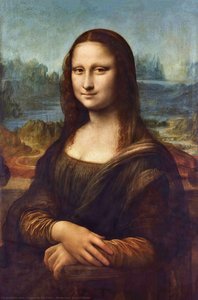
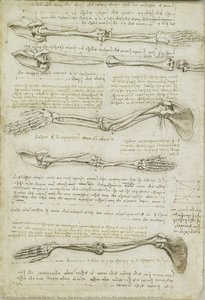
Na de Franse invasie van Milaan in 1499 keerde Leonardo terug naar Florence, een stad die een hoogtepunt van artistieke ontwikkeling beleefde. Hoewel hij tijdens deze periode minder voltooide werken produceerde, was hun impact enorm. Hier begon hij aan wat het meest beroemde schilderij ter wereld zou worden: Mona Lisa (La Gioconda). De raadselachtige glimlach en boeiende blik van het onderwerp fascineren al generaties lang kijkers, terwijl Leonardo’s revolutionaire *sfumato*-techniek – de subtiele menging van licht en schaduw om vage contouren en atmosferisch perspectief te creëren – aanzienlijk bijdroeg aan de etherische kwaliteit van het schilderij. Deze periode zag ook een voortdurende verfijning van zijn anatomische studies, gedreven door een onwrikbare wens om de menselijke vorm met wetenschappelijke precisie te begrijpen. Hij ontleedde lijken en documenteerde nauwkeurig spieren, botten en organen in een reeks ongelooflijk gedetailleerde tekeningen die hun tijd ver vooruit waren.
Leonardo’s latere jaren werden gekenmerkt door reizen tussen Florence, Milaan en Rome. Hij werd altijd gevraagd om zijn expertise, maar liet vaak projecten onvoltooid – misschien een weerspiegeling van zijn rusteloze intellect en de enorme reikwijdte van zijn interesses. In 1516 accepteerde hij een uitnodiging van koning Frans I om te wonen en te werken op het Château du Clos Lucé nabij Amboise in Frankrijk, waar hij zijn laatste jaren doorbracht. Hij stierf daar in 1519 en liet een enorm erfgoed achter dat verder reikt dan de wereld van de kunst. Zijn aantekeningen onthullen baanbrekend werk op het gebied van anatomie, optica, hydraulica, geologie en cartografie – en conceptualiseerde uitvindingen die eeuwen voor hun tijd lagen, waaronder vliegmachines, tanks en geavanceerde wapens. De impact van Leonardo da Vinci op de kunstgeschiedenis is onmeetbaar. Hij verhoogde de status van kunstenaars van bekwame ambachtslieden tot intellectuele figuren, waarmee hij aantoonde dat artistieke creatie geïnformeerd kon worden door wetenschappelijk onderzoek en een diep begrip van de natuurlijke wereld. Zijn schilderijen vieren realisme, psychologische diepte en innovatieve technieken. Hij blijft een symbool van menselijke nieuwsgierigheid, creativiteit en het meedogenloze streven naar kennis – een ware belichaming van de Renaissance-geest wiens nalatenschap nog steeds ontzag en fascinatie inspireert eeuwen na zijn dood.
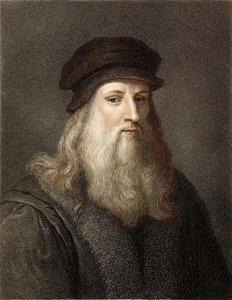
1452 - 1519 , Italië

Commission breathtaking bespoke fantasy art with skilled oil painters. Explore techniques, artist selection & preservation tips. Invest in a unique masterpiece today!
Transform your cherished photos into timeless oil paintings with Most-Famous-Paintings's expert artists. Museum-quality reproductions & custom portraits, crafted to last a lifetime. Discover the art of personal legacy.

Ontdek de 10 meest iconische Renaissance meesterwerken die Humanisme definieerden! Leer over Leonardo da Vinci, Michelangelo & Rafaël. Museumkwaliteit kunst reproducties voor uw interieur op Most-Famous-Paintings.com. Exploreer de collectie online!
Ontdek de 25 meest iconische meesterwerken van Raphael! Duik in de Renaissance kunst, bewonder zijn portretten & religieuze schilderijen. Hoogwaardige reproducties voor uw interieur op Most-Famous-Paintings.com.

Ontdek de 10 legendarische olieverfschilderijen die kunstgeschiedenis schreven! Van Rembrandt tot Monet, leer over meesterwerken & technieken. Vind museumkwaliteit reproducties en woondecoratie inspiratie op Most-Famous-Paintings.com.


Blijf op de hoogte van het laatste kunstnieuws, exclusieve aanbiedingen en decoratie-ideeën.
Vertel ons over uw project en onze kunstexperts geven u 3 gepersonaliseerde kunstsuggesties.
Wij stellen 3 opties speciaal voor u samen – Gratis!


 Delen
Delen


 Lees meer







 De optie voor glas is alleen beschikbaar bij een formaat kleiner dan 110 cm.