x


 Acrylic On CanvasWallArtNaive Art / Primitivism
 1963
1963 32.0 x 24.0 cm
Giclée- of canvasafdruk van museumkwaliteit met snelle productie en flexibele afwerkingsopties. ( Switch to hand made Painting Switch to Image)





























Kies uit onze vooraf ingestelde maten die overeenkomen met de originele verhoudingen van het kunstwerk.

U kunt uw eigen afmetingen opgeven om in een specifieke lijst of ruimte te passen. Als de door u gekozen maat niet overeenkomt met de proporties van het originele kunstwerk, zullen wij de afbeelding bijsnijden of uitbreiden met een gespiegelde of effen rand. Een digitaal mockup wordt ter goedkeuring naar u verzonden voordat de productie begint.
Houd er rekening mee dat de preview op het scherm de werkelijke bijsneding of uitbreiding niet weergeeft. Alleen de mockup toont de uiteindelijke compositie nauwkeurig.
Hoewel aangepaste maten beschikbaar zijn, raden wij aan een afmeting uit de vooraf bepaalde lijst te kiezen om de originele proporties te behouden.
Wereldwijde levering () binnen 2 weken in plaats van de standaard 4/5 weken. (29 juli)


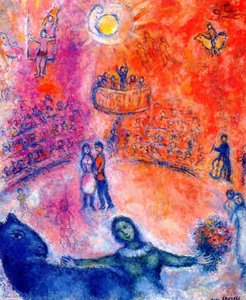
Acrobatics
Afmetingen reproductie
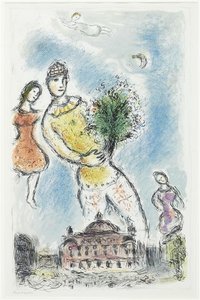
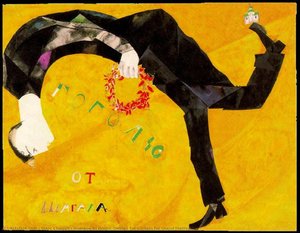
Marc Chagall’s “Acrobatics,” completed in 1963, stands as a testament to the artist's enduring fascination with dreams, memory, and the fantastical realm of childhood. Painted in Naïve Art style—a movement characterized by its rejection of academic conventions and embrace of childlike spontaneity—the canvas captures a moment suspended between earthly constraints and boundless aspiration.
Unlike Impressionism or Cubism, which sought to dissect reality into fragmented perspectives, Chagall’s approach prioritizes emotional expression over meticulous representation. Thickly applied paint—a hallmark of Naïve Art—creates a textured surface that pulsates with color and conveys an immediacy rarely achieved in more polished artistic styles. The artist eschews linear perspective, opting instead for flattened planes that heighten the sense of illusion and invite viewers into Chagall’s subjective experience.
"Acrobatics" is deeply rooted in Chagall's formative years spent in Vitebsk, Belarus—a town that served as a constant source of inspiration throughout his prolific career. The painting reflects the cultural landscape of Vitebsk during the period, where Jewish and Orthodox traditions intertwined, shaping artistic sensibilities. Furthermore, it emerged against the backdrop of Soviet repression following World War II, when Chagall faced censorship and endured personal hardship—experiences that undoubtedly informed the artwork’s melancholic undertones.
The composition is replete with symbolic imagery typical of Chagall's oeuvre. Dominating the scene are figures engaged in acrobatic maneuvers, representing a defiance of gravity and an upward striving for transcendence—themes central to Jewish mysticism and Chagall’s broader artistic vision. Surrounding these dancers are stylized flowers—particularly lilies—which symbolize purity and resurrection—references to biblical narratives and Chagall's own spiritual beliefs. The inclusion of a clock and vase adds layers of meaning, prompting contemplation on time, mortality, and the beauty of nature.
"Acrobatics" resonates with viewers not merely as an aesthetically pleasing artwork but also as a conduit to Chagall's innermost feelings. The painting evokes a sense of wonderment mingled with sadness—a poignant reminder of the passage of time and the fragility of human existence. Yet, its vibrant colors and dynamic movement instill optimism and convey a conviction that beauty persists even amidst adversity—a message conveyed powerfully by Chagall’s masterful manipulation of color and form.
This captivating artwork exemplifies Chagall’s unparalleled ability to transform personal experience into universal symbolism—a legacy that continues to inspire artists and collectors worldwide.

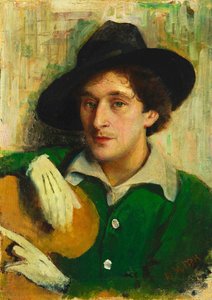
1887 - 1985 , Belarus


Blijf op de hoogte van het laatste kunstnieuws, exclusieve aanbiedingen en decoratie-ideeën.
Vertel ons over uw project en onze kunstexperts geven u 3 gepersonaliseerde kunstsuggesties.
Wij stellen 3 opties speciaal voor u samen – Gratis!


 Preview
 Verstuur
 Delen
Delen
 Details bekijken

 Download
 Vergelijkbare werken
 Röntgenonderzoek
 Diavoorstelling
 Lees meer







 De optie voor glas is alleen beschikbaar bij een formaat kleiner dan 110 cm.