x

 Acryl op canvasWanddecoratieSurrealism
 1968
1968 160.0 x 160.0 cm
Met de hand geschilderd in olieverf op canvas in uw gewenste maat en lijst, op bestelling gemaakt door onze kunstenaars. ( Bestel print Koop afbeelding)





























Kies uit onze vooraf ingestelde maten die overeenkomen met de originele verhoudingen van het kunstwerk.

U kunt uw eigen afmetingen invoeren om in een specifieke lijst of ruimte te passen. Als de door u gekozen maat niet overeenkomt met de verhoudingen van het originele beeld, zullen we het kunstwerk bijsnijden of het schilderij uitbreiden met extra handgeschilderde elementen. Een digitale mockup wordt ter goedkeuring naar u verzonden voordat de productie begint.
Houd er rekening mee dat de preview op het scherm niet de werkelijke uitsnede of uitbreiding weergeeft. Alleen de mockup toont de uiteindelijke compositie nauwkeurig.
Hoewel aangepaste afmetingen mogelijk zijn, raden we aan een maat uit de vooraf gedefinieerde lijst te selecteren om de originele verhoudingen te behouden.
Wereldwijde levering () binnen 3 tot 4 weken in plaats van de standaard 5 weken. (18 augustus). Zonder concessies aan de kwaliteit.


Oosters
Afmetingen reproductie
Marc Chagall's “Easter,” painted in 1968, isn’t merely a depiction of the religious holiday; it’s an intensely personal and profoundly moving exploration of faith, memory, and the enduring spirit of humanity. Measuring a substantial 160 x 160 centimeters, this canvas pulsates with the artist's signature blend of vibrant color, dreamlike imagery, and echoes of his deeply rooted Jewish heritage. It’s a work that invites prolonged contemplation, drawing the viewer into a world where reality and imagination intertwine seamlessly – a testament to Chagall’s unique ability to transform personal experience into universal resonance.
The painting deliberately shuns literal representation, opting instead for a surrealist approach rooted in memory. While often categorized as Surrealism due to its fantastical elements, “Easter” transcends simple categorization. Chagall wasn't a strict adherent to any single movement; he masterfully synthesized influences from Cubism, Symbolism, and the rich tapestry of his Jewish upbringing in Vitebsk, Belarus. The composition is deliberately fragmented yet remarkably harmonious – a visual echo of the way memories themselves are often assembled, sometimes disjointed but always imbued with emotional significance. A prominent winged figure dominates the left side of the canvas, seemingly descending or ascending on the back of a horse; this recurring symbol represents both power and vulnerability, embodying the duality inherent in human existence. This central image is enveloped by a village scene reminiscent of Chagall’s childhood home, creating an immediate sense of nostalgia and longing for a lost world.
The painting's color palette is nothing short of breathtaking – a dramatic interplay of black, white, and fiery reds that creates a powerful tension. The bold use of these colors isn’t arbitrary; they are carefully chosen to evoke specific emotions and associations. The red plane cutting across the composition, for instance, can be interpreted as a symbol of passion, sacrifice, or even divine light breaking through darkness – a visual representation of hope amidst adversity. Beyond the dominant hues, subtle details contribute significantly to the painting’s layered symbolism. Two birds, frequently appearing in Chagall's work, represent freedom and spirituality, soaring above the scene like messengers between worlds. A cup positioned at the lower left corner subtly alludes to communion or a ritual offering, reinforcing the painting’s religious undertones. Even the figures gathered in the village – their postures suggesting contemplation and conversation – carry weight, symbolizing community, tradition, and the enduring power of faith.
Born Moishe Shagal in 1887 in Liozna, Belarus, Chagall’s life was deeply intertwined with his Jewish heritage. His childhood home in Vitebsk, a vibrant melting pot of Russian Orthodox churches and bustling Jewish marketplaces, served as the primary source of inspiration for much of his work. This connection to his roots is powerfully evident in “Easter,” where the village scene evokes a strong sense of nostalgia – a longing for a simpler time and a deep-seated connection to tradition. The ox’s head peering down from above isn't merely an animalistic presence; it alludes to ancient agricultural rituals, potentially referencing biblical narratives, adding another layer of meaning to the composition. Chagall’s early life experiences—including pogroms and political turmoil— undoubtedly shaped his artistic vision, imbuing his work with a profound awareness of suffering and resilience.
“Easter” was created late in Chagall's career, reflecting a lifetime of experience and a deeply held belief in the power of imagination. It’s a testament to his ability to transform personal memories and universal themes into works of breathtaking beauty and emotional resonance. The painting isn’t simply *about* Easter; it embodies the feeling of renewal and hope associated with the season, filtered through Chagall's unique artistic lens. For those seeking to bring a touch of magic and spiritual depth into their spaces, a reproduction of “Easter” offers not just an aesthetic statement but a window into the soul of one of the 20th century’s most beloved artists – a vibrant reminder that even in times of darkness, faith and hope endure.

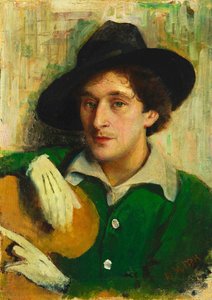
1887 - 1985 , Belarus

Explore the profound depths of Surrealism. From Dalí’s dreamscapes to Magritte’s enigmas, master the history of the subconscious mind through our expert art guide and discover museum-quality oil reproductions of the world's most iconic surrealist masterpieces.


Blijf op de hoogte van het laatste kunstnieuws, exclusieve aanbiedingen en decoratie-ideeën.
Vertel ons over uw project en onze kunstexperts geven u 3 gepersonaliseerde kunstsuggesties.
Wij stellen drie opties speciaal voor u samen – gratis!


 Voorvertoning
 Verstuur
 Delen
Delen
 Details bekijken

 Download
 Vergelijkbare items
 Röntgenonderzoek
 Diavoorstelling
 Lees meer







 De optie voor glas is alleen beschikbaar bij een formaat kleiner dan 110 cm.