x


 Bestel schilderij Koop afbeelding in hoge resolutie
 Verstuur
 Details bekijken
 Toevoegen aan favorieten
 Download
 Vergelijkbare werken
 Röntgenonderzoek
 Diavoorstelling
 Oil On CanvasWallArtFauvism
 1911Modern
 91.0 x 65.0 cm
Giclée- of canvasafdruk van museumkwaliteit met snelle productie en flexibele afwerkingsopties.





























Kies uit onze vooraf ingestelde maten die overeenkomen met de originele verhoudingen van het kunstwerk.

U kunt uw eigen afmetingen opgeven om in een specifieke lijst of ruimte te passen. Als de door u gekozen maat niet overeenkomt met de proporties van het originele kunstwerk, zullen wij de afbeelding bijsnijden of uitbreiden met een gespiegelde of effen rand. Een digitaal mockup wordt ter goedkeuring naar u verzonden voordat de productie begint.
Houd er rekening mee dat de preview op het scherm de werkelijke bijsneding of uitbreiding niet weergeeft. Alleen de mockup toont de uiteindelijke compositie nauwkeurig.
Hoewel aangepaste maten beschikbaar zijn, raden wij aan een afmeting uit de vooraf bepaalde lijst te kiezen om de originele proporties te behouden.
Wereldwijde levering () binnen 2 weken in plaats van de standaard 4/5 weken. (22 juli)


Baptism
Afmetingen reproductie
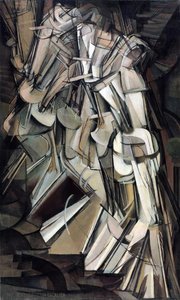
Marcel Duchamp (1887–1968) stands as one of the most influential figures in 20th-century art history, forever altering perceptions of creativity and artistic expression. His journey began in Blainville-Crevon, Normandy, France, where he absorbed the artistic spirit fostered by his family—a tradition that included painters and engravers—and nurtured a boundless imagination.
Initially drawn to Cubism, Duchamp’s early explorations mirrored the stylistic currents of his time. Works like Portrait of Chess Players (1911) demonstrate an acute understanding of fragmented forms and multiple perspectives, reflecting the intellectual fervor of the era. However, he swiftly transcended purely aesthetic considerations, embracing Dadaism and ultimately establishing Conceptual Art as a transformative force.
“Baptism,” created in 1911, exemplifies this multifaceted approach. Painted in oil on canvas and adhering to Fauvist principles—characterized by bold colors and energetic brushstrokes—the artwork transcends mere depiction; it invites contemplation about its symbolic significance.
The composition centers around two women positioned prominently in the foreground, with one seated and the other standing behind her. The subtle gesture of the standing woman—pointing towards something unseen—suggests a dynamic interplay between figures and adds to the overall sense of social interaction. Scattered throughout the background are additional individuals, contributing to an atmosphere of communal celebration.
Beyond its aesthetic vibrancy, “Baptism” reveals Proto-Cubist influences. This transitional phase witnessed artists experimenting with geometric forms and reduced color palettes—a precursor to Cubism’s radical simplification—demonstrating Duchamp's willingness to push artistic boundaries. The painting serves as a bridge between Impressionistic idealism and the geometric precision of Cubism, cementing its place in art history.
“Baptism” continues to resonate with audiences today due to its audacious use of color and form. Its impact extends beyond Duchamp’s oeuvre, influencing subsequent movements like Surrealism and shaping artistic discourse for decades to come. This Fauvist masterpiece stands as a testament to Duchamp's unwavering commitment to innovation—a beacon of creativity that inspires ongoing dialogue about art’s role in society.
The artwork measures 91 x 65 cm and was executed in 1911.
Marcel Duchamp (1887-1968): French-American artist—Cubism, Dada & Conceptual Art pioneer. Revolutionized art with ‘readymades’ like Fountain.


1887 - 1968 , Frankrijk
Ontdek de top 25 meesterwerken van Henri Matisse! Duik in de wereld van Fauvisme, kleurrijke composities & expressieve kunst. Vind museumkwaliteit reproducties en decoratie-inspiratie op Most-Famous-Paintings.com. Exploreer de collectie online!

Ontdek de top 25 meesterwerken uit het Metropolitan Museum of Art, New York! Van Van Gogh tot Monet – leer over kunstgeschiedenis en bewonder iconische schilderijen. Vind museumkwaliteit reproducties & interieurinspiratie op Most-Famous-Paintings.com.
Ontdek de top 25 meesterwerken van National Gallery Washington! Van Cézanne tot Picasso, leer het verhaal achter iconische kunst. Vind museumkwaliteit reproducties & interieurinspiratie op Most-Famous-Paintings.com.
Ontdek de 25 meest iconische meesterwerken van James Abbott McNeill Whistler, pionier van het esthetisme en impressionisme. Van zijn betoverende Nocturnes tot portretten vol harmonie. Vind museumkwaliteit reproducties & decoratie-inspiratie op Most-Famous-Paintings.com
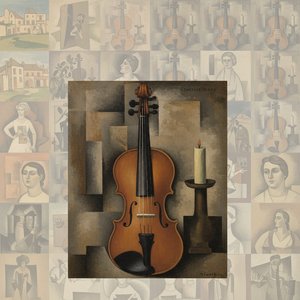
Ontdek de 25 meest iconische meesterwerken van Georges Braque, pionier van het Cubisme. Lees over zijn techniek, inspiratie & de impact op moderne kunst. Vind museumkwaliteit reproducties en verrijk uw interieur met Most-Famous-Paintings.com!


Blijf op de hoogte van het laatste kunstnieuws, exclusieve aanbiedingen en decoratie-ideeën.
Vertel ons over uw project en onze kunstexperts geven u 3 gepersonaliseerde kunstsuggesties.
Wij stellen 3 opties speciaal voor u samen – Gratis!


 Delen
Delen

 Lees meer







 De optie voor glas is alleen beschikbaar bij een formaat kleiner dan 110 cm.