x

 Bestel schilderij Koop afbeelding in hoge resolutie
 Verstuur
 Details bekijken
 Toevoegen aan favorieten
 Download
 Vergelijkbare werken
 Röntgenonderzoek
 Diavoorstelling
Giclée- of canvasafdruk van museumkwaliteit met snelle productie en flexibele afwerkingsopties.





























Kies uit onze vooraf ingestelde maten die overeenkomen met de originele verhoudingen van het kunstwerk.

U kunt uw eigen afmetingen opgeven om in een specifieke lijst of ruimte te passen. Als de door u gekozen maat niet overeenkomt met de proporties van het originele kunstwerk, zullen wij de afbeelding bijsnijden of uitbreiden met een gespiegelde of effen rand. Een digitaal mockup wordt ter goedkeuring naar u verzonden voordat de productie begint.
Houd er rekening mee dat de preview op het scherm de werkelijke bijsneding of uitbreiding niet weergeeft. Alleen de mockup toont de uiteindelijke compositie nauwkeurig.
Hoewel aangepaste maten beschikbaar zijn, raden wij aan een afmeting uit de vooraf bepaalde lijst te kiezen om de originele proporties te behouden.
Wereldwijde levering () binnen 2 weken in plaats van de standaard 4/5 weken. (22 juli)


Play
Afmetingen reproductie
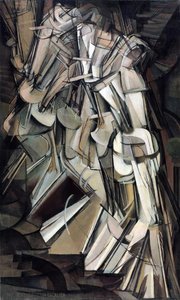
Marcel Duchamp's "Play," painted in 1902, is more than just a depiction of a woman playing tennis; it’s a carefully constructed meditation on the very nature of artistic creation and perception. This seemingly straightforward scene – a female figure poised mid-swing with a tennis racket – immediately reveals itself to be a pivotal work within Duchamp's burgeoning rebellion against traditional artistic conventions. The painting, imbued with a distinctly vintage aesthetic, speaks volumes about the artist’s evolving approach, moving beyond mere representation towards a conceptual engagement with the subject matter.
Created during a period of intense experimentation within the European art world – encompassing Impressionism, Post-Impressionism, and the nascent movements of Cubism – “Play” anticipates Duchamp’s later embrace of Dada and his groundbreaking role as one of the first conceptual artists. Duchamp's decision to paint this scene, rather than meticulously rendering it with traditional techniques, signals a deliberate shift in focus. He isn’t interested in capturing an objective reality; instead, he is exploring the *idea* of tennis, the act of play itself, and the viewer’s interpretation of that action.
Duchamp's technique in “Play” is characterized by a remarkable restraint. The brushstrokes are loose and confident, suggesting a deliberate avoidance of excessive detail. This simplicity isn’t a sign of carelessness; rather, it’s a calculated choice that amplifies the painting’s impact. The muted color palette – predominantly earthy tones with subtle hints of white – contributes to the vintage feel and adds to the overall sense of quiet contemplation. The artist's skill lies not in technical virtuosity but in his ability to distill an idea into its purest form.
Beyond the literal depiction of a tennis game, “Play” carries significant symbolic weight. The act of play itself represents a release from constraint, a moment of unburdened joy and spontaneity – qualities that Duchamp increasingly sought to explore in his work. The woman’s posture suggests both power and vulnerability, inviting viewers to consider the complexities of human experience. It's a scene frozen in time, capturing an ephemeral moment of intense concentration and potential victory.
"Play" stands as a crucial early work by Marcel Duchamp, demonstrating his nascent desire to challenge established artistic norms. Its influence can be seen throughout the 20th century, paving the way for movements like Dada and Surrealism. Today, this painting remains a powerful testament to Duchamp’s revolutionary spirit – a reminder that art can be found not just in what is created, but also in what is questioned.


1887 - 1968 , Frankrijk

Explore the revolutionary art of Marcel Duchamp! Discover how his Dadaist readymades challenged artistic conventions & redefined modern art. A deep dive into 'Fountain', conceptual shifts, and his lasting impact.

Explore the revolutionary Dada art movement! Discover its origins, key artists like Duchamp & Arp, and lasting impact on modern art. A deep dive into anti-art & challenging conventions.

Ontdek 10 beroemde schilderijen die baden in warme, pale gouden tinten. Van Monet tot Rembrandt – leer over de kunstgeschiedenis en technieken achter deze meesterwerken. Vind uw perfecte kunst reproductie op Most-Famous-Paintings.com!

Ontdek de top 25 meesterwerken van Max Ernst, pionier van het surrealisme & dadaïsme. Duik in zijn droombeelden en unieke technieken. Museumkwaliteit kunst reproducties voor uw interieur op Most-Famous-Paintings.com. Exploreer de collectie online!

Ontdek handgeschilderde kunstreplica's van topkwaliteit bij Most-Famous-Paintings.com. Gepersonaliseerde kunst, ambachtelijk vervaardigd en duurzaam. Vraag gratis advies!


Blijf op de hoogte van het laatste kunstnieuws, exclusieve aanbiedingen en decoratie-ideeën.
Vertel ons over uw project en onze kunstexperts geven u 3 gepersonaliseerde kunstsuggesties.
Wij stellen 3 opties speciaal voor u samen – Gratis!


 Delen
Delen


 Lees meer







 De optie voor glas is alleen beschikbaar bij een formaat kleiner dan 110 cm.