x

 Bestel schilderij Koop afbeelding in hoge resolutie
 Verstuur
 Details bekijken
 Toevoegen aan favorieten
 Download
 Vergelijkbare werken
 Röntgenonderzoek
 Diavoorstelling
 Acrylic On CanvasWallArtColor Field
 1964Modern
 206.0 x 196.0 cm
Giclée- of canvasafdruk van museumkwaliteit met snelle productie en flexibele afwerkingsopties.





























Kies uit onze vooraf ingestelde maten die overeenkomen met de originele verhoudingen van het kunstwerk.

U kunt uw eigen afmetingen opgeven om in een specifieke lijst of ruimte te passen. Als de door u gekozen maat niet overeenkomt met de proporties van het originele kunstwerk, zullen wij de afbeelding bijsnijden of uitbreiden met een gespiegelde of effen rand. Een digitaal mockup wordt ter goedkeuring naar u verzonden voordat de productie begint.
Houd er rekening mee dat de preview op het scherm de werkelijke bijsneding of uitbreiding niet weergeeft. Alleen de mockup toont de uiteindelijke compositie nauwkeurig.
Hoewel aangepaste maten beschikbaar zijn, raden wij aan een afmeting uit de vooraf bepaalde lijst te kiezen om de originele proporties te behouden.
Wereldwijde levering () binnen 2 weken in plaats van de standaard 4/5 weken. (22 juli)


No. 5
Afmetingen reproductie
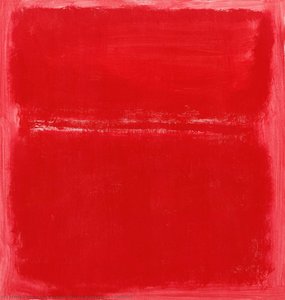
Mark Rothko's "No. 5," painted in 1964, is not merely a canvas filled with color; it’s an intensely personal and profoundly moving exploration of human emotion and the weight of existence. This monumental work, measuring 206 x 196 cm, exemplifies Rothko’s signature style – large-scale rectangular blocks of saturated color that seem to bleed into one another, creating a hypnotic effect on the viewer. The painting's stark simplicity—a vast, dark square dominating the composition—immediately confronts us with an unsettling void, prompting contemplation about mortality, isolation, and the fundamental questions of human experience.
Created during a pivotal moment in art history, "No. 5" is inextricably linked to the rise of Color Field painting in the mid-20th century. Rothko, along with artists like Barnett Newman and Clyfford Still, rejected traditional representational forms, seeking instead to express profound emotional states through pure color. Influenced by Abstract Expressionism’s emphasis on subjective experience, Rothko developed a technique that involved layering thin washes of acrylic paint, allowing the colors to subtly shift and merge under layers of varnish. This process created an almost sculptural quality, emphasizing the materiality of the canvas itself.
Born in 1903 in Daugavpils, Latvia (then part of the Russian Empire), Mark Rothko’s life was marked by displacement and loss – experiences that deeply informed his artistic vision. The painting's dark square can be interpreted as a visual representation of this sense of void, reflecting the anxieties and uncertainties inherent in the human condition. Some scholars suggest the work is an exploration of trauma, referencing Rothko's own difficult childhood and the pervasive atmosphere of fear and instability he experienced growing up within a Jewish family during times of political unrest. The sheer scale of the canvas amplifies this feeling, enveloping the viewer in a space of quiet contemplation.
"No. 5" is a testament to Rothko’s mastery of color and texture. The subtle gradations within the dark blocks, achieved through meticulous layering and blending, create an illusion of depth and movement. The photograph captures this intricate detail perfectly, revealing the artist's deliberate control over light and shadow. The painting’s impact isn’t about visual spectacle; it’s about a deeply felt emotional response. Rothko aimed to evoke a sense of awe and vulnerability in the viewer, inviting them to confront their own mortality and grapple with the complexities of human existence. This reproduction offers an unparalleled opportunity to experience the power and beauty of this iconic work firsthand.
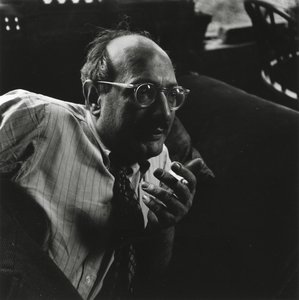
1903 - 1970 , Letland
Ontdek de subtiele kracht van zwart, wit en grijs in hoteldesign. Expert tips voor licht, textuur & moderne architectuur. Creëer rustgevende, luxe ruimtes met Most-Famous-Paintings.

Explore the profound emotional depth of Mark Rothko's abstract expressionism. Discover the history, techniques & lasting impact of this pivotal Color Field painter. Expert insights for collectors and art enthusiasts.
Ontdek de 25 meest iconische werken van Kazimir Malevich, pionier van het suprematisme en abstracte kunst. Van 'Zwarte Vierkant' tot 'Witte op Wit', leer over zijn invloedrijke stijl & koop museumkwaliteit reproducties voor uw interieur. Explore the full collection online!

Ontdek de 10 meest legendarische 'Acryl op Canvas' meesterwerken die kunstgeschiedenis schreven! Van Pollock tot Rothko, leer over abstract expressionisme & pop art. Vind museumkwaliteit reproducties en interieurinspiratie op Most-Famous-Paintings.com.

Ontdek de kracht van ivoorkleurig zwart in 10 iconische schilderijen. Van Rembrandt tot Manet, duik in de verhalen achter deze meesterwerken en vind perfecte kunst voor uw interieur. Museumkwaliteit reproducties op Most-Famous-Paintings.com


Blijf op de hoogte van het laatste kunstnieuws, exclusieve aanbiedingen en decoratie-ideeën.
Vertel ons over uw project en onze kunstexperts geven u 3 gepersonaliseerde kunstsuggesties.
Wij stellen 3 opties speciaal voor u samen – Gratis!


 Delen
Delen

 Lees meer







 De optie voor glas is alleen beschikbaar bij een formaat kleiner dan 110 cm.