x


Giclée- of canvasafdruk van museumkwaliteit met snelle productie en flexibele afwerkingsopties. ( Switch to hand made Painting Switch to Image)





























Kies uit onze vooraf ingestelde maten die overeenkomen met de originele verhoudingen van het kunstwerk.

U kunt uw eigen afmetingen opgeven om in een specifieke lijst of ruimte te passen. Als de door u gekozen maat niet overeenkomt met de proporties van het originele kunstwerk, zullen wij de afbeelding bijsnijden of uitbreiden met een gespiegelde of effen rand. Een digitaal mockup wordt ter goedkeuring naar u verzonden voordat de productie begint.
Houd er rekening mee dat de preview op het scherm de werkelijke bijsneding of uitbreiding niet weergeeft. Alleen de mockup toont de uiteindelijke compositie nauwkeurig.
Hoewel aangepaste maten beschikbaar zijn, raden wij aan een afmeting uit de vooraf bepaalde lijst te kiezen om de originele proporties te behouden.
Wereldwijde levering () binnen 2 weken in plaats van de standaard 4/5 weken. (30 juli)


Portrait 1
Afmetingen reproductie
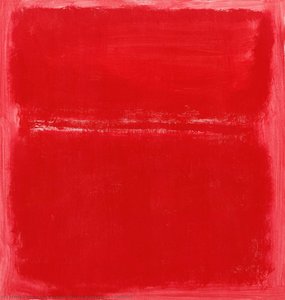
The canvas holds an arresting stillness—a portrait not merely of a man but of the profound contemplation inherent in confronting one's own mortality. Painted by Mark Rothko in 1963, shortly before his death, this work embodies the artist’s signature approach to abstraction: layering blocks of color onto canvas with deliberate precision and unwavering conviction.
Rothko eschewed representational imagery altogether, opting instead for a method he termed “condensation.” He applied thin washes of pigment—primarily cadmium yellow, crimson red, and ultramarine blue—to create expansive rectangles that bleed into one another. This technique wasn’t about depicting an external reality; it was about channeling internal feeling directly onto the surface of the artwork. The resulting hues aren't merely pigments on canvas; they are conduits for emotion – a deliberate attempt to bypass intellectual analysis and tap into primal sensations.
Rothko’s work emerged during the burgeoning Minimalist movement of the 1960s, a reaction against the excesses of Abstract Expressionism that preceded it. While contemporaries like Jackson Pollock wrestled with dynamism and gesture, Rothko sought refuge in simplicity—a deliberate stripping away of extraneous detail to focus solely on color and form. This stylistic choice coincided with a period marked by significant social upheaval: the Vietnam War raged, civil rights activism gained momentum, and anxieties about nuclear annihilation permeated the cultural landscape.
The seemingly unassuming rectangles themselves are laden with symbolic significance. Rothko believed that color possessed inherent spiritual qualities—that it could evoke profound psychological states without resorting to explicit imagery. The dominant hues – yellow, red, and blue – represent not specific concepts but rather fundamental aspects of human experience: optimism, passion, and melancholy respectively. Critics have interpreted these colors as reflections of Rothko’s own emotional landscape, suggesting that the painting serves as a visual manifestation of his inner turmoil and yearning for transcendence.
Viewing Rothko’s Portrait of Existential Uncertainty is an experience akin to entering a meditative space. The sheer scale of the canvas—approximately 68 x 48 inches—forces the viewer to confront their own gaze, inviting introspection and prompting questions about identity and purpose. There's no narrative to follow, no figure to analyze; instead, one is immersed in a sea of color that washes over the senses, leaving behind a residue of quiet contemplation – a testament to Rothko’s enduring ability to capture the essence of human consciousness.

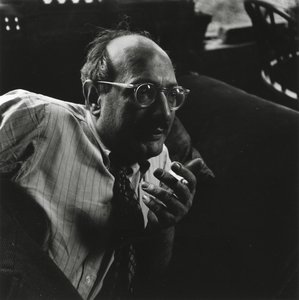
1903 - 1970 , Letland

Explore the profound emotional depth of Mark Rothko's abstract expressionism. Discover the history, techniques & lasting impact of this pivotal Color Field painter. Expert insights for collectors and art enthusiasts.
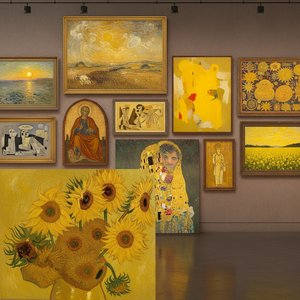
Ontdek de top 10 beroemde schilderijen gedomineerd door 'Chrome Geel'! Van Gogh, Monet en meer. Leer over kunststijlen & technieken. Museumkwaliteit reproducties voor uw interieur op Most-Famous-Paintings.com

Ontdek hoe hedendaagse abstractie de waarneming transformeert met licht en kleur. Expert analyse van emotionele impact, textuur & interpretatie. Bouw uw kunstcollectie met vertrouwen.

Explore the profound emotional depth & formal innovations of abstract painting. Discover key artists like Rothko & Kandinsky, understand art collecting insights, and elevate your space with timeless masterpieces. Expert analysis for discerning collectors.
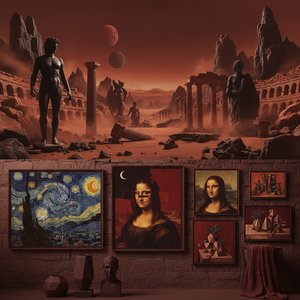
Ontdek de kracht van 'Mars Black' in 10 iconische schilderijen! Van Rembrandt tot Manet, duik in de donkere esthetiek en emotionele diepgang van meesterwerken. Vind museumkwaliteit reproducties & decoratie-inspiratie op Most-Famous-Paintings.com.


Blijf op de hoogte van het laatste kunstnieuws, exclusieve aanbiedingen en decoratie-ideeën.
Vertel ons over uw project en onze kunstexperts geven u 3 gepersonaliseerde kunstsuggesties.
Wij stellen 3 opties speciaal voor u samen – Gratis!


 Preview
 Verstuur
 Delen
Delen
 Details bekijken

 Download
 Vergelijkbare werken
 Röntgenonderzoek
 Diavoorstelling
 Lees meer







 De optie voor glas is alleen beschikbaar bij een formaat kleiner dan 110 cm.