


x
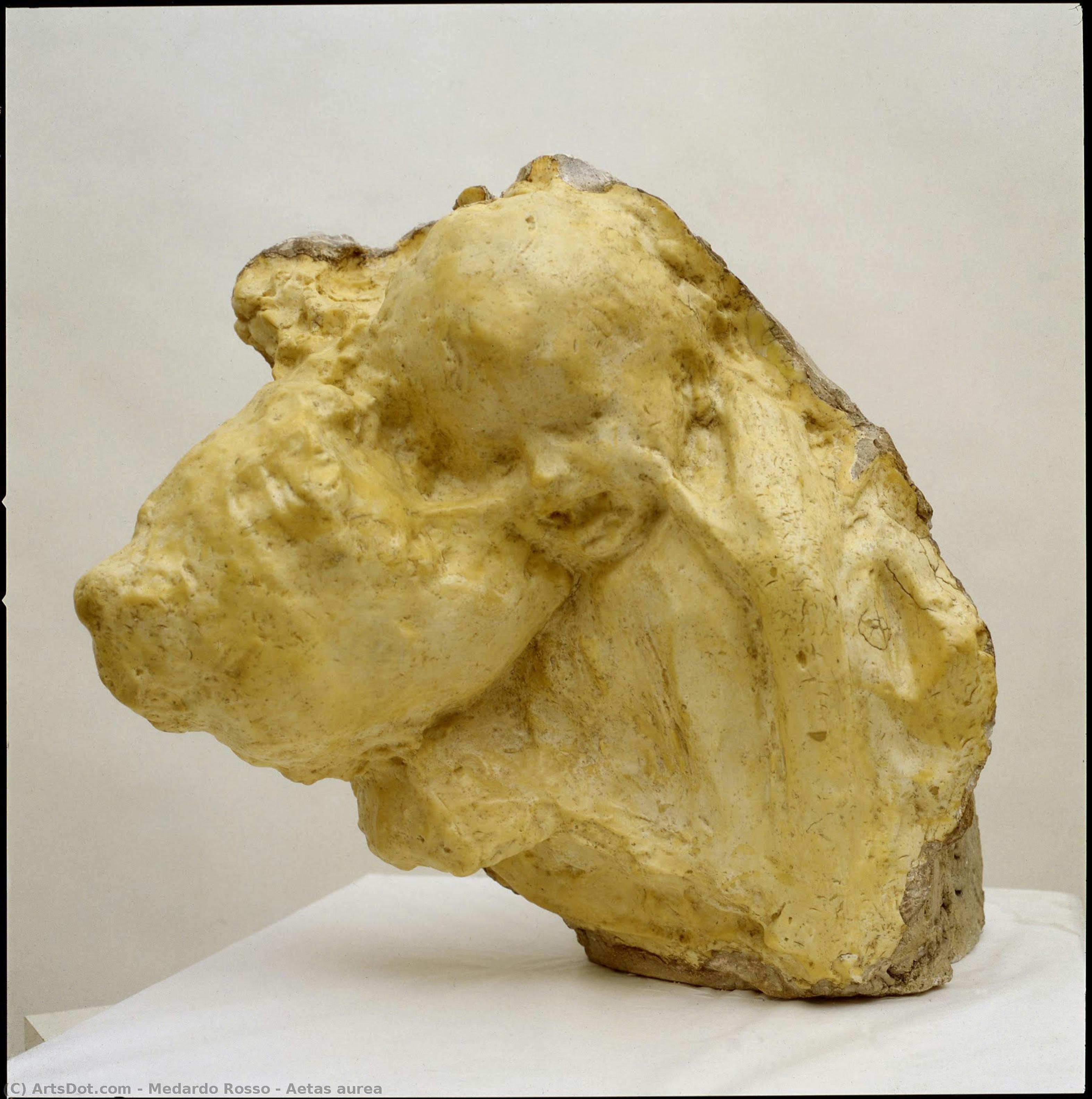
 WaxPost-Impressionism
 19th Century
 45.0 x 45.0 cm
 Galleria Civica di Arte Moderna e Contemporanea Torino
Giclée- of canvasafdruk van museumkwaliteit met een snelle productie en flexibele afwerkingsmogelijkheden. ( Bestel handgeschilderde reproductie Koop afbeelding)
Kies uit onze vooraf ingestelde maten die overeenkomen met de originele verhoudingen van het kunstwerk.

U kunt uw eigen afmetingen opgeven om in een specifieke lijst of ruimte te passen. Als de door u gekozen maat niet overeenkomt met de proporties van het originele kunstwerk, zullen wij de afbeelding bijsnijden of uitbreiden met een gespiegelde of effen rand. Een digitaal mockup wordt ter goedkeuring naar u verzonden voordat de productie begint.
Houd er rekening mee dat de preview op het scherm de werkelijke bijsneding of uitbreiding niet weergeeft. Alleen de mockup toont de uiteindelijke compositie nauwkeurig.
Hoewel aangepaste maten beschikbaar zijn, raden wij aan een afmeting uit de vooraf bepaalde lijst te kiezen om de originele proporties te behouden.
Wereldwijde levering () binnen 2 weken in plaats van de standaard 4/5 weken. (18 augustus)


Aetas aurea
Afmetingen reproductie
Aetas Aurea, Latin for "Golden Age," is a profoundly moving sculpture by Italian artist Medardo Rosso. This work depicts his wife, Giuditta Pozzi, and their young son, Francesco, capturing a tender moment of familial connection. It stands as a prime example of Rosso’s innovative approach to sculpting, particularly his exploration of wax as a medium.
Rosso was a pioneer in what can be considered "Impressionistic sculpture." Departing from the traditional academic style prevalent at the time, he embraced a more fluid and atmospheric aesthetic. Aetas Aurea exemplifies this shift. Rather than striving for precise anatomical detail or polished surfaces, Rosso prioritized capturing a fleeting impression – a moment suspended in time.
Aetas Aurea was created during a period of significant artistic change in Europe. Rosso’s work reflects the broader Post-Impressionist movement, which sought to move beyond mere representation towards conveying subjective experience and emotion. His journey to Paris in 1886, where he exhibited at the Salon and Salon des Indépendants, exposed him to new ideas and techniques that influenced his artistic development.
Beyond its aesthetic qualities, Aetas Aurea carries a profound emotional resonance. The sculpture evokes feelings of intimacy, tenderness, and familial love. The slightly tilted posture and soft modeling create an atmosphere of vulnerability and quiet contemplation.


1858 - 1928 , Italië

Explore the profound history of sculpture, from classical realism to modern abstraction. Discover the mastery of form, texture, and medium through an expert art-historical lens designed for discerning collectors and enthusiasts.
Elevate your collection with our expert guide to bronze sculpture. Discover the mastery of lost-wax casting, the artistry of patination, and professional insights for acquiring timeless metal masterpieces that define sophisticated interiors.

Discover the enduring elegance of bronze sculpture. Our expert guide explores lost-wax casting, patina mastery, and professional tips for collecting and commissioning museum-quality bronze art to create a lasting legacy in your private collection.


Blijf op de hoogte van het laatste kunstnieuws, exclusieve aanbiedingen en decoratie-ideeën.
Vertel ons over uw project en onze kunstexperts geven u 3 gepersonaliseerde kunstsuggesties.
Wij stellen drie opties speciaal voor u samen – gratis!


 Voorvertoning
 Verstuur
 Delen
Delen
 Details bekijken

 Download
 Vergelijkbare items
 Röntgenonderzoek
 Diavoorstelling
 Lees meer




































 De optie voor glas is alleen beschikbaar bij een formaat kleiner dan 110 cm.


