


x


 Bestel schilderij Koop afbeelding in hoge resolutie
 Verstuur
 Details bekijken
 Toevoegen aan favorieten
 Download
 Vergelijkbare werken
 Röntgenonderzoek
 Diavoorstelling
 Oil On CanvasWallArtBaroque Drama
 1620Early Modern
 114.0 x 160.0 cm
 Metropolitan Museum of Art
Giclée- of canvasafdruk van museumkwaliteit met snelle productie en flexibele afwerkingsopties.





























Kies uit onze vooraf ingestelde maten die overeenkomen met de originele verhoudingen van het kunstwerk.

U kunt uw eigen afmetingen opgeven om in een specifieke lijst of ruimte te passen. Als de door u gekozen maat niet overeenkomt met de proporties van het originele kunstwerk, zullen wij de afbeelding bijsnijden of uitbreiden met een gespiegelde of effen rand. Een digitaal mockup wordt ter goedkeuring naar u verzonden voordat de productie begint.
Houd er rekening mee dat de preview op het scherm de werkelijke bijsneding of uitbreiding niet weergeeft. Alleen de mockup toont de uiteindelijke compositie nauwkeurig.
Hoewel aangepaste maten beschikbaar zijn, raden wij aan een afmeting uit de vooraf bepaalde lijst te kiezen om de originele proporties te behouden.
Wereldwijde levering () binnen 2 weken in plaats van de standaard 4/5 weken. (21 juli)


Kitchen Scene
Afmetingen reproductie
To stand before Peter Wtewael’s Kitchen Scene is not merely to observe a painting; it is to step through a painted portal directly into the vibrant, aromatic heart of an early seventeenth-century Dutch household. Painted in 1620, this oil on canvas masterpiece captures daily life with an almost startling immediacy. The air seems thick with the scent of woodsmoke, simmering pots, and fresh ingredients. At the core of the composition are two women, their gestures intimate and conversational, suggesting a moment suspended just before or after a shared task. One woman cradles a plump chicken, while her companion displays a basket brimming with the bounty of the sea and earth—eggs and fish. These figures, perhaps servants or skilled cooks, anchor the viewer in a world defined by tangible labor and communal interaction.
Wtewael’s technical prowess is immediately apparent, particularly his masterful handling of light. His style bears the unmistakable influence of Caravaggio's dramatic chiaroscuro, lending the entire scene a profound sense of theatricality. The light does not simply illuminate; it sculpts. It falls across the rough textures of the wooden surfaces, catches the sheen on the fish scales, and highlights the folds in the women’s practical garments. This sophisticated use of contrast—the deep, enveloping shadows juxtaposed against brilliant pools of illumination—lends an unparalleled depth to the canvas, transforming a simple domestic setting into a richly textured, almost three-dimensional environment.
Beyond the mere depiction of chores, this painting resonates with deeper symbolic currents characteristic of Dutch Golden Age genre scenes. The abundance displayed—the fowl, the basket's contents, the scattered utensils—is a quiet testament to prosperity and self-sufficiency. Food, in art history, is rarely just sustenance; it speaks to hospitality, social standing, and the cyclical nature of life itself. Furthermore, the inclusion of the curious cat wandering through the foreground adds an element of untamed domesticity, grounding the human drama within the natural rhythm of the home. It invites contemplation on the interconnectedness of all elements within this bustling microcosm.
For the contemporary admirer, Kitchen Scene offers more than just historical curiosity; it provides an aesthetic blueprint for warmth and lived-in elegance. The meticulous detail—from the weave of the linens to the arrangement of the foodstuffs—speaks to a commitment to quality that transcends time. Owning or reproducing this work allows one to infuse a space with the sophisticated narrative power of Dutch Baroque art. It is a piece that whispers stories of human connection, making it an ideal focal point for those who appreciate history, realism, and the enduring beauty found within the everyday.


1596 - 1660 , Netherlands

Ontdek de 10 meesterwerken van de Gouden Eeuw! Leer over Rembrandt, Vermeer & andere Hollandse schilders. Prachtige kunst reproducties voor uw interieur. Museumkwaliteit prints op Most-Famous-Paintings.com.
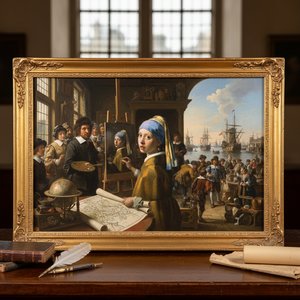
Explore the Dutch Golden Age of painting! Discover key artists like Vermeer & ter Borch, their innovative techniques, and the rich cultural context behind these Baroque masterpieces. Learn about collecting & appreciating this iconic art period.

Explore the captivating world of Dutch Golden Age genre painting! Discover realistic depictions of daily life, masterful artists like Ostade & Metsu, and hidden symbolism. Learn about this influential art movement with Most-Famous-Paintings.

Explore the Dutch Golden Age of painting (1600-1700) with Most-Famous-Paintings. Discover Rembrandt, Vermeer & other masters. Learn about techniques, history & find museum-quality reproductions.

Explore the Dutch Golden Age of painting with Most-Famous-Paintings. Discover Rembrandt, Vermeer & other Masters. Learn about key characteristics, iconic artworks, and lasting influence. Expert insights for collectors & enthusiasts.


Blijf op de hoogte van het laatste kunstnieuws, exclusieve aanbiedingen en decoratie-ideeën.
Vertel ons over uw project en onze kunstexperts geven u 3 gepersonaliseerde kunstsuggesties.
Wij stellen 3 opties speciaal voor u samen – Gratis!


 Delen
Delen

 Lees meer







 De optie voor glas is alleen beschikbaar bij een formaat kleiner dan 110 cm.


