


x

Giclée- of canvasafdruk van museumkwaliteit met een snelle productie en flexibele afwerkingsmogelijkheden. ( Bestel handgeschilderde reproductie Koop afbeelding)





























Kies uit onze vooraf ingestelde maten die overeenkomen met de originele verhoudingen van het kunstwerk.

U kunt uw eigen afmetingen opgeven om in een specifieke lijst of ruimte te passen. Als de door u gekozen maat niet overeenkomt met de proporties van het originele kunstwerk, zullen wij de afbeelding bijsnijden of uitbreiden met een gespiegelde of effen rand. Een digitaal mockup wordt ter goedkeuring naar u verzonden voordat de productie begint.
Houd er rekening mee dat de preview op het scherm de werkelijke bijsneding of uitbreiding niet weergeeft. Alleen de mockup toont de uiteindelijke compositie nauwkeurig.
Hoewel aangepaste maten beschikbaar zijn, raden wij aan een afmeting uit de vooraf bepaalde lijst te kiezen om de originele proporties te behouden.
Wereldwijde levering () binnen 2 weken in plaats van de standaard 4/5 weken. (22 augustus)


Cros de Cagnes
Afmetingen reproductie
Pierre-Auguste Renoir, arguably the quintessential Impressionist painter, gifted us with “Cros de Cagnes,” a breathtaking vista completed in 1905. More than just a depiction of scenery, this canvas embodies Renoir's artistic philosophy—a fervent pursuit of capturing fleeting moments and conveying emotion through luminous color palettes and delicate brushstrokes.
The painting transports viewers to the Provençal countryside. Renoir meticulously crafted a scene featuring a charming village nestled amongst rolling hills draped in verdant foliage. Dominating the composition is a prominent church tower, anchoring the eye and establishing a sense of grandeur against the expansive landscape. Scattered figures—walkers and residents—add life and dynamism to the tranquil tableau, subtly hinting at human presence within the natural world.
Renoir’s masterful Impressionist technique is immediately apparent. He eschewed traditional blending methods, opting instead for “broken color”—applying small, separate strokes of pigment that blend optically when viewed from a distance. This innovative approach allowed Renoir to recreate the shimmering effects of sunlight filtering through leaves and illuminating the buildings. The resulting texture contributes significantly to the painting’s atmospheric depth, immersing the viewer in the serene ambiance of Cagnes-sur-Mer.
“Cros de Cagnes” shares thematic similarities with Claude Monet's “The Road to Giverny,” both exploring landscapes bathed in natural light. However, unlike Monet’s focus on capturing the precise impression of a single location—the meandering path leading to Monet’s garden—Renoir prioritizes conveying an overall mood of peace and beauty. In contrast, Renoir’s “Treboul” presents a more intimate portrayal of a solitary building enveloped by nature, emphasizing textural nuances and subtle tonal variations.
“Cros de Cagnes” resides in the Museum Art Association of Richmond's collection, demonstrating its enduring appeal to art enthusiasts. Its evocative depiction of rural France continues to inspire admiration for Renoir’s artistic prowess and his ability to translate visual experience into emotionally resonant artwork. This painting stands as a testament to Impressionism’s legacy—a movement dedicated to capturing the ephemeral beauty of everyday life.
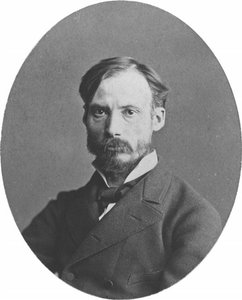
1841 - 1919 , Frankrijk

Ontdek de 25 mooiste schilderijen van Pierre-Auguste Renoir! Duik in de wereld van het Impressionisme, kleur en licht. Van 'Bal du moulin' tot intieme portretten – bekijk de meesterwerken & vind jouw perfecte reproductie op Most-Famous-Paintings.com.
Ontdek de 25 meest iconische schilderijen van Paul Cézanne! Duik in zijn kleurrijke wereld, leer over impressionisme & post-impressionisme en bewonder meesterwerken als 'De Baders'. Vind museumkwaliteit reproducties & interieurinspiratie op Most-Famous-Paintings.com.

Ontdek de 10 meest iconische impressionistische landschappen van Monet, Renoir & meer. Leer over hun technieken en betekenis. Vind museumkwaliteit kunst reproducties voor uw interieur op Most-Famous-Paintings.com!

Ontdek de 10 meest iconische impressionistische landschappen! Leer over Monet, Renoir & andere meesters. Prachtige schilderijen voor uw interieur. Museumkwaliteit reproducties op Most-Famous-Paintings.com.

Ontdek de 10 meest iconische meesterwerken van het Impressionisme! Van Monet tot Renoir, leer over de kunstenaars, technieken & kleuren die deze beweging definieerden. Vind museumkwaliteit reproducties en inspiratie voor uw interieur op Most-Famous-Paintings.com.


Blijf op de hoogte van het laatste kunstnieuws, exclusieve aanbiedingen en decoratie-ideeën.
Vertel ons over uw project en onze kunstexperts geven u 3 gepersonaliseerde kunstsuggesties.
Wij stellen drie opties speciaal voor u samen – gratis!


 Voorvertoning
 Verstuur
 Delen
Delen
 Details bekijken

 Download
 Vergelijkbare items
 Röntgenonderzoek
 Diavoorstelling

 Lees meer







 De optie voor glas is alleen beschikbaar bij een formaat kleiner dan 110 cm.


