


x

 Acrylic On CanvasWallArtImpressionist Painting
 1895
1895 32.0 x 41.0 cm
Giclée- of canvasafdruk van museumkwaliteit met een snelle productie en flexibele afwerkingsmogelijkheden. ( Bestel handgeschilderde reproductie Koop afbeelding)





























Kies uit onze vooraf ingestelde maten die overeenkomen met de originele verhoudingen van het kunstwerk.

U kunt uw eigen afmetingen opgeven om in een specifieke lijst of ruimte te passen. Als de door u gekozen maat niet overeenkomt met de proporties van het originele kunstwerk, zullen wij de afbeelding bijsnijden of uitbreiden met een gespiegelde of effen rand. Een digitaal mockup wordt ter goedkeuring naar u verzonden voordat de productie begint.
Houd er rekening mee dat de preview op het scherm de werkelijke bijsneding of uitbreiding niet weergeeft. Alleen de mockup toont de uiteindelijke compositie nauwkeurig.
Hoewel aangepaste maten beschikbaar zijn, raden wij aan een afmeting uit de vooraf bepaalde lijst te kiezen om de originele proporties te behouden.
Wereldwijde levering () binnen 2 weken in plaats van de standaard 4/5 weken. (21 augustus)


Odalisque
Afmetingen reproductie
Pierre-Auguste Renoir’s ‘Odalisque,’ completed in 1895, stands as a quintessential emblem of Impressionism and the broader movement known as Orientalism. More than just a portrait, it's an immersive experience—a meticulously crafted illusion designed to transport the viewer into a realm of sensual beauty and exotic allure. This captivating painting resides within the Musée Ingres Bourdelle in Montauban, France, offering visitors a chance to contemplate one of Renoir’s most celebrated works alongside sculptures by Ingres and Bourdelle.
‘Odalisque’ emerged during a period profoundly influenced by Orientalism—a European artistic preoccupation with the cultures and landscapes of the Middle East and North Africa. Unlike purely ethnographic depictions, Orientalist art sought to romanticize these regions, portraying them as paradisiacal spaces infused with sensuality and mystery. Artists like Renoir weren't merely documenting; they were actively constructing narratives that catered to Victorian sensibilities—a fascination for the opulent lifestyles and exotic traditions of distant lands.
Renoir’s approach distinguishes itself from earlier academic painting styles. He deliberately eschewed precise anatomical detail, prioritizing instead capturing fleeting impressions of light and color. This technique aligns perfectly with Impressionism's core tenets: abandoning traditional linear perspective and focusing on conveying the subjective experience of seeing.
The painting’s composition is deceptively simple yet remarkably effective. Renoir centers his gaze upon a woman draped in luxurious fabrics—a deliberate choice reflecting the stylistic conventions of Orientalism. The subtle layering of colors—primarily reds, golds, and creams—creates an atmosphere of warmth and intimacy. Notice how Renoir utilizes soft brushstrokes to blend hues seamlessly, mimicking the diffused light characteristic of outdoor scenes. This masterful technique lends a palpable sense of movement and vibrancy to the canvas.
'Odalisque' transcends mere visual representation; it embodies a complex tapestry of symbolic meanings. The woman herself represents idealized beauty—a figure detached from everyday concerns, embodying grace and serenity. Her gaze directs the viewer’s attention inward, inviting contemplation on themes of desire and contemplation. Furthermore, the surrounding drapery symbolizes wealth and status – elements integral to portraying the exotic allure of Oriental culture.
Ultimately, Renoir's 'Odalisque' succeeds in conveying a profound emotional impact. It captures not just what is seen but how it feels—a yearning for beauty, tranquility, and escape from the mundane realities of Victorian life. Its enduring appeal testifies to Renoir’s ability to distill complex emotions into a single, unforgettable image.
‘Odalisque’ continues to inspire artists today, demonstrating its timeless relevance. Its influence can be discerned in contemporary fashion photography and modern paintings that revisit historical motifs. The painting serves as a reminder of Impressionism's revolutionary spirit—a commitment to capturing the ephemeral beauty of the natural world with unprecedented sensitivity.

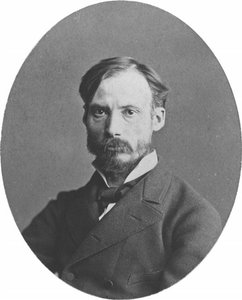
1841 - 1919 , Frankrijk

Ontdek de 25 mooiste schilderijen van Pierre-Auguste Renoir! Duik in de wereld van het Impressionisme, kleur en licht. Van 'Bal du moulin' tot intieme portretten – bekijk de meesterwerken & vind jouw perfecte reproductie op Most-Famous-Paintings.com.

Explore the captivating world of Pierre-Auguste Renoir! Discover his life, iconic Impressionist masterpieces & enduring legacy with our expert guide. High-quality reproductions available.

Ontdek de 10 meest iconische impressionistische meesterwerken van Monet, Manet & Renoir! Duik in de geschiedenis van het impressionisme en bewonder licht, kleur & emotie. Museumkwaliteit kunst reproducties op Most-Famous-Paintings.com. Bekijk nu!

Ontdek de 10 meest iconische meesterwerken van het Impressionisme! Van Monet tot Renoir, leer over de kunstenaars, technieken & kleuren die deze beweging definieerden. Vind museumkwaliteit reproducties en inspiratie voor uw interieur op Most-Famous-Paintings.com.

Ontdek de top 10 impressionistische meesterwerken van Monet, Renoir & meer! Duik in kleur, licht en emotie met deze iconische schilderijen. Vind museumkwaliteit kunst reproducties voor uw interieur op Most-Famous-Paintings.com.


Blijf op de hoogte van het laatste kunstnieuws, exclusieve aanbiedingen en decoratie-ideeën.
Vertel ons over uw project en onze kunstexperts geven u 3 gepersonaliseerde kunstsuggesties.
Wij stellen drie opties speciaal voor u samen – gratis!


 Voorvertoning
 Verstuur
 Delen
Delen
 Details bekijken

 Download
 Vergelijkbare items
 Röntgenonderzoek
 Diavoorstelling
 Lees meer







 De optie voor glas is alleen beschikbaar bij een formaat kleiner dan 110 cm.


