x

Met de hand geschilderd in olieverf op canvas in uw gewenste maat en lijst, op bestelling gemaakt door onze kunstenaars. ( Bestel print Koop afbeelding)





























Kies uit onze vooraf ingestelde maten die overeenkomen met de originele verhoudingen van het kunstwerk.

U kunt uw eigen afmetingen invoeren om in een specifieke lijst of ruimte te passen. Als de door u gekozen maat niet overeenkomt met de verhoudingen van het originele beeld, zullen we het kunstwerk bijsnijden of het schilderij uitbreiden met extra handgeschilderde elementen. Een digitale mockup wordt ter goedkeuring naar u verzonden voordat de productie begint.
Houd er rekening mee dat de preview op het scherm niet de werkelijke uitsnede of uitbreiding weergeeft. Alleen de mockup toont de uiteindelijke compositie nauwkeurig.
Hoewel aangepaste afmetingen mogelijk zijn, raden we aan een maat uit de vooraf gedefinieerde lijst te selecteren om de originele verhoudingen te behouden.
Wereldwijde levering () binnen 3 tot 4 weken in plaats van de standaard 5 weken. (22 augustus). Zonder concessies aan de kwaliteit.


La revue blanche
Afmetingen reproductie
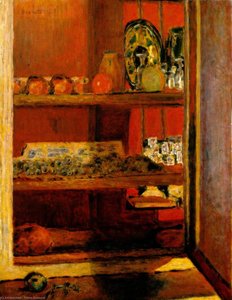
Pierre Bonnard's “La Revue blanche,” created in 1894, isn’t merely a depiction of two women; it’s an embodiment of the Nabis aesthetic—a deliberate rejection of academic formalism and a fervent embrace of sensory experience. Produced by Edward Ancourt for *La Revue blanche*, a Parisian periodical championing avant-garde literature and art, this lithograph exemplifies Bonnard's signature style: a masterful blend of muted hues and flattened perspective that seeks to distill the essence of everyday life.
Bonnard’s artistic sensibilities were profoundly shaped by Japonisme—the fascination with Japanese art and culture sweeping through Europe at the time. Like many Nabis artists, he drew inspiration from *ukiyo-e* prints, particularly their use of bold outlines and simplified forms to convey emotion and atmosphere. This influence is palpable in “La Revue blanche,” where Bonnard employs a similar technique to create a sense of stillness and contemplation amidst the bustling Parisian backdrop.
The choice of lithography as Bonnard’s primary print medium speaks volumes about his artistic philosophy. Lithography, unlike etching or engraving, allowed for multiple impressions from a single stone, making it accessible to a wider audience and aligning perfectly with the Nabis desire to democratize art. Furthermore, Bonnard skillfully exploited the capabilities of color lithography, achieving vibrant hues and nuanced tonal gradations that would have been impossible with traditional printmaking methods.
Beyond its formal innovations, “La Revue blanche” resonates with subtle symbolic undertones. The two women seated together—one holding a book, the other gazing intently—represent intellectual engagement and quiet contemplation within the domestic sphere. Bonnard’s deliberate use of color—primarily pale yellows and blues—creates an atmosphere of serenity and warmth, inviting viewers to immerse themselves in the beauty of ordinary moments.
“La Revue blanche” stands as a testament to Bonnard's enduring contribution to Post-Impressionism. His unwavering commitment to capturing light and color with unparalleled sensitivity continues to inspire artists and collectors alike. As evidenced by reproductions available at Most-Famous-Paintings.com, this iconic artwork remains accessible to anyone seeking to experience the profound emotional impact of Bonnard’s masterful vision.


1867 - 1947 , Frankrijk

Discover Most-Famous-Paintings.com's premium art poster prints. Featuring 12-color archival pigments for vivid color fidelity and versatile sizing for bespoke decor. Expertly crafted museum-quality reproductions designed for discerning collectors and professional decorators.


Blijf op de hoogte van het laatste kunstnieuws, exclusieve aanbiedingen en decoratie-ideeën.
Vertel ons over uw project en onze kunstexperts geven u 3 gepersonaliseerde kunstsuggesties.
Wij stellen drie opties speciaal voor u samen – gratis!


 Voorvertoning
 Verstuur
 Delen
Delen
 Details bekijken

 Download
 Vergelijkbare items
 Röntgenonderzoek
 Diavoorstelling

 Lees meer







 De optie voor glas is alleen beschikbaar bij een formaat kleiner dan 110 cm.