
Verkoop uw kunst
Verlanglijstje Winkelwagen Cart
VoorvertoningVoorvertoning Bekijk in ARBekijk in AR Bestel handgeschilderde reproductie Bestel handgeschilderde reproductieKoop afbeelding Koop afbeelding VerstuurVerstuur
Details bekijkenDetails bekijken Toevoegen aan favorieten Toevoegen aan favorieten DownloadDownload Vergelijkbare itemsVergelijkbare items RöntgenonderzoekRöntgenonderzoek DiavoorstellingDiavoorstelling

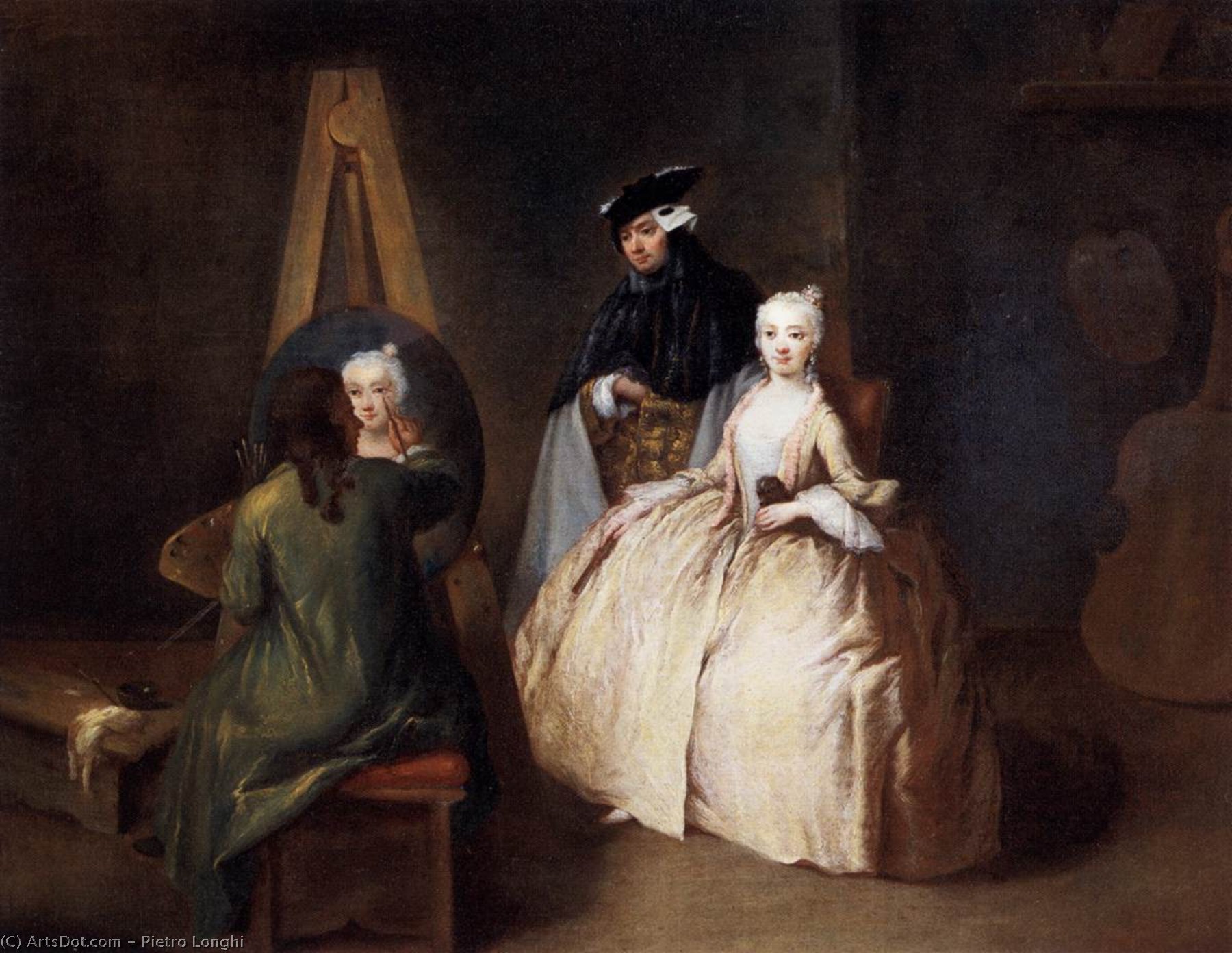
Painter in his Studio

Explore Pietro Longhi’s ‘Painter in his Studio’ (1740). A captivating 18th-century oil painting showcasing artistic life & technique, rich textures, & classic Venetian style.

Pietro Longhi (1701-1785) schilderde prachtige genrebeelden van het Venetië van zijn tijd – een stijlvolle combinatie van humor en sociale observatie die hem doet denken aan William Hogarth. Een kunstenaar die de essentie van het rococo vastlegde!

Giclée / Kunstafdrukken

Giclée- of canvasafdruk van museumkwaliteit met een snelle productie en flexibele afwerkingsmogelijkheden. (Bestel handgeschilderde reproductie Bestel handgeschilderde reproductieKoop afbeelding Koop afbeelding)

P118B $10
P118H $10
P118W $10
P438Z $10
P508JH $12
P508YH $12
P805H $10
P805Z $10
P919BZ $10
P919G $10
P919XJ $10
P959ZH $10
P968JZ $12
W106C $8
W218G $10
W218JH $8
W218Y $10
W307PJ $10
W316G $10
W316PJ $8
W316Y $10
W398PJ $8
W4111J $10
W500HY $15
W500JH $15
W692G $12
W849H $8
W940BG $15
W953PJ $8

Standard
custom
CM
INCH

Kies uit onze vooraf ingestelde maten die overeenkomen met de originele verhoudingen van het kunstwerk.

breedte
hoogte

U kunt uw eigen afmetingen opgeven om in een specifieke lijst of ruimte te passen. Als de door u gekozen maat niet overeenkomt met de proporties van het originele kunstwerk, zullen wij de afbeelding bijsnijden of uitbreiden met een gespiegelde of effen rand. Een digitaal mockup wordt ter goedkeuring naar u verzonden voordat de productie begint.
Houd er rekening mee dat de preview op het scherm de werkelijke bijsneding of uitbreiding niet weergeeft. Alleen de mockup toont de uiteindelijke compositie nauwkeurig.
Hoewel aangepaste maten beschikbaar zijn, raden wij aan een afmeting uit de vooraf bepaalde lijst te kiezen om de originele proporties te behouden.

Wereldwijde levering () binnen 2 weken in plaats van de standaard 4/5 weken. (18 augustus)

why_choose_icon
Gratis wereldwijde expressverzending
why_choose_icon
Hoogwaardig linnen canvas
why_choose_icon
Volledige verzendverzekering
why_choose_icon
Garantie op terugbetaling van invoerrechten
why_choose_icon
Garantie op exacte kleurweergave
why_choose_icon
Retourbeleid van 60 dagen (alleen bij defecten)
why_choose_icon
100% Geld-terug-garantie
why_choose_icon
Korting bij meerdere afnames

Totaalprijs

$ 69

reproduction

Painter in his Studio

Giclée / Kunstafdrukken

Afmetingen reproductie

-

Eindtotaal

$ 69

Snelle feiten

  • Artistic style: Genre painting
  • Influences: Venetian art
  • Notable elements: Allegorical scene, map
  • Dimensions: 61 x 50 cm
  • Medium: Oil on canvas
  • Subject or theme: Artist’s studio life
  • Artist: Pietro Longhi

Kunstquiz

Er is slechts één goed antwoord op elke vraag.

Vraag 1:
What is the primary subject matter depicted in Pietro Longhi’s ‘Painter in his Studio’?
Vraag 2:
The painting ‘Painter in his Studio’ is primarily associated with which artistic movement?
Vraag 3:
What does the map hanging on the wall in ‘Painter in his Studio’ represent?
Vraag 4:
Pietro Longhi was known for his paintings depicting what type of subjects?
Vraag 5:
The figure on the left side of ‘Painter in his Studio’ is interpreted by some art historians as representing:

Beschrijving verzamelobject

Pietro Longhi’s Venetian Revelations: A Window into 18th-Century Life

Pietro Longhi, born Pietro Falca in Venice in 1701, wasn't a painter of grand historical narratives or mythological epics. Instead, he meticulously captured the quiet dramas unfolding within the vibrant heart of his city – Venice. He became renowned for his witty and remarkably intimate genre paintings, offering viewers glimpses into the lives of Venetian bourgeois society during the Rococo era. These weren’t sweeping landscapes or heroic portraits; they were snapshots of everyday life: masked balls, lively conversations in cafes, family gatherings, and the subtle rituals of a thriving mercantile republic. Longhi's genius lay not just in his technical skill but in his ability to imbue these seemingly mundane scenes with a captivating charm and a keen observational eye – earning him the affectionate moniker “the Venetian Hogarth” by art historians.

Longhi’s artistic journey began under the tutelage of Antonio Balestra, a respected Veronese painter who recognized and nurtured the young artist's talent. This foundation in traditional technique provided a solid base for his later innovations. He adopted the surname “Longhi,” a symbolic shedding of his father’s trade – a silversmith – to fully embrace his artistic aspirations. His career blossomed during a period when Venetian painting was largely dominated by grand historical and religious works; Longhi's focus on domestic scenes and social interactions offered a refreshing and distinctly human perspective.

“The Painter in His Studio”: A Masterpiece of Illusion and Observation

"The Painter in His Studio," painted around 1740-1745, stands as perhaps Longhi’s most ambitious and captivating work. This oil on canvas isn't merely a portrait; it’s an intricate allegory – a layered exploration of the artistic process itself, interwoven with social commentary and a subtle celebration of Venetian culture. The scene unfolds within the artist’s studio, a meticulously rendered space filled with objects that speak to his craft and his world. At the center stands Longhi himself, diligently painting a landscape depicting the Loue River valley in Franche-Comté – a region deeply connected to his own origins.

Around him are figures representing various facets of artistic life: a young boy observing intently, a nude female model (a deliberate nod to the academic tradition of “contrapposto” and the debate over the superiority of male versus female models), and a white cat curled up on a table. The background reveals partially obscured paintings – remnants of unfinished works, hinting at the challenges and rewards of artistic creation. A map of the Seventeen Provinces of the Netherlands hangs prominently on the wall, adorned with miniature depictions of Dutch cities, reflecting Venice’s historical ties to its northern neighbors. The inclusion of these details isn't arbitrary; they serve as symbolic markers, inviting viewers to contemplate the interconnectedness of art, knowledge, and society.

Decoding the Symbolism: A Window into Venetian Society

Beyond its technical brilliance, “The Painter in His Studio” is rich with symbolism. The presence of a "crucified figure" on the left side of the painting has been interpreted as a representation of the death of the Royal Academy’s artistic standards – a critique of the rigid conventions that Longhi sought to challenge. The map itself holds multiple layers of meaning, referencing both historical connections and the pursuit of knowledge. The inclusion of figures representing Parisian society—including Charles Baudelaire, Champfleury, and Alfred Bruyas—highlights Longhi's engagement with contemporary intellectual currents.

Longhi’s meticulous attention to detail – from the textures of the fabrics to the play of light on the objects in the studio – creates a remarkably immersive experience for the viewer. The painting isn’t just *about* art; it *is* an artwork, demonstrating Longhi's mastery of technique and his profound understanding of how to capture both the physical reality and the emotional essence of his subject matter. It offers a rare glimpse into the world of a Venetian artist at work, revealing not only his craft but also his perspective on society and the creative process.

A Legacy of Observation: Longhi’s Enduring Appeal

Pietro Longhi's legacy extends far beyond the confines of his studio. His paintings provide invaluable insights into 18th-century Venetian life, capturing a world of social customs, artistic trends, and intellectual debates with remarkable wit and precision. His work stands as a testament to the power of genre painting – its ability to illuminate the everyday experiences of ordinary people. Today, Longhi’s art continues to resonate with audiences, offering a captivating blend of realism, symbolism, and human insight. Reproductions of “The Painter in His Studio” provide a beautiful and accessible way to experience this remarkable masterpiece, bringing a touch of Venetian charm into any space.


Biografie van de kunstenaar

Pietro Longhi (1701-1785): A Venetian Chronicler of Daily Life

Pietro Longhi, born Pietro Falca in Venice on November 5th, 1701, wasn’t painting grand historical narratives or mythological scenes; he was capturing the quiet dramas unfolding within the city's elegant homes and bustling streets. He became renowned for his witty genre paintings – intimate glimpses into the lives of 18th-century Venetians, a departure from the prevailing artistic trends of his time. The son of Alessandro Falca, a silversmith, Longhi’s early training began under the Veronese painter Antonio Balestra, who recognized and nurtured the young artist's talent. This foundation in traditional technique would later serve as a subtle counterpoint to the innovative spirit he brought to his chosen subject matter. He adopted the surname “Longhi” upon beginning his artistic career, a symbolic shedding of his father’s trade for the pursuit of painting.

Early Life and Artistic Foundations

Pietro Longhi's formative years were marked by a privileged upbringing under the tutelage of Antonio Balestra, one of Venice’s foremost painters. Balestra instilled in Longhi a deep appreciation for Venetian artistic tradition—specifically, the meticulous observation of nature and the mastery of broken brushwork and vibrant color glazes—techniques that would characterize Longhi's entire oeuvre. Unlike many artists of his era who pursued monumental historical commissions, Longhi skillfully avoided grand narratives, focusing instead on capturing the subtleties of everyday life in Venice. His father’s profession as a silversmith undoubtedly influenced his artistic sensibilities, fostering an eye for detail and craftsmanship—qualities that would prove invaluable in his later endeavors. He married Caterina Maria Rizzi in 1732, establishing a family life that provided him with inspiration and grounding amidst the whirlwind of Venetian artistic circles.

From Religious Altarpieces to Genre Scenes: A Transformative Shift

Longhi’s initial artistic output reflected the expectations of his time—primarily altarpieces and religious compositions executed in accordance with established conventions. His 1732 depiction of Saint Pellegrino for San Pellegrino church exemplifies Balestra's influence, demonstrating a masterful command of Venetian painting techniques: precise brushstrokes and luminous color glazes that conveyed depth and emotion. However, it was around 1737 that Longhi embarked on a pivotal artistic journey—a deliberate move away from grand historical canvases toward the small-scale genre scenes that would solidify his legacy as Venice’s “William Hogarth.” This transition wasn't merely stylistic; it represented an engagement with the burgeoning social and cultural currents of the Enlightenment, particularly the growing fascination with bourgeois society and domestic rituals. Longhi’s decision to prioritize observation over allegory—to depict human behavior and interactions with unflinching honesty—was a radical departure from prevailing artistic trends.

The Venetian Hogarth: Capturing Everyday Life with Wit and Insight

Longhi's genius lay in his ability to infuse seemingly mundane subjects with profound social commentary, mirroring the approach of William Hogarth, whom he admired greatly. Unlike Hogarth’s didactic moralizing style, Longhi’s satire possessed a subtle grace—a quiet irony that revealed contradictions within Venetian society without resorting to overt judgment. His paintings are populated by figures engaged in familiar activities—gambling parlors (*Ridotti*) filled with elegantly dressed men and women; masked balls celebrating Carnival; intimate interiors depicting domestic life—each scene meticulously rendered with remarkable detail and psychological insight. Consider *The Concert*, painted circa 1741, where Longhi portrays a gathering of Venetian nobles—a tableau vivant capturing the social dynamics of the era. The painting’s composition—characterized by shallow depth and carefully arranged figures—reflects Longhi's commitment to realism while simultaneously conveying an atmosphere of restrained elegance.

A Legacy Defined by Observation and Technique

Longhi’s artistic technique was as distinctive as his subject matter. He favored small canvases, meticulously crafted with a delicate touch and an unwavering attention to detail. His interiors are bathed in soft light—a deliberate choice that enhanced the sense of intimacy and realism—and he achieved this effect through masterful glazing techniques. Longhi's ability to depict textures—the sheen of silk robes, the roughness of stone walls, the folds of drapery—added depth and authenticity to his scenes, elevating them beyond mere representation into evocative evocations of Venetian life. He skillfully blended traditional Venetian painting methods with innovative approaches to composition and color, anticipating later developments in genre art. Longhi’s influence extended far beyond Venice; he served as Director of the Academy of Drawing and Carving from 1763, shaping the artistic education of a generation of Venetian painters. His son, Alessandro Longhi, continued his father's artistic tradition, furthering Longhi’s legacy as one of Venice’s most astute observers and accomplished artists—a true chronicler of the Enlightenment age. ## Notable Works
  • The Tailor
  • The Baptism
  • Painter in his Studio
  • The Concert
  • The Charlatan
Pietro Longhi

Pietro Longhi

1701 - 1785 , Italië

Belangrijkste feiten

  • Artistic Movement Or Style: Venetiaanse schilderkunst, Rococo
  • Artists Or Movements Influenced By This Artist: ['William Hogarth']
  • Artists Who Influenced This Artist:
    • Antonio Balestra
    • Giuseppe Maria Crespi
  • Date Of Birth: November 5, 1701
  • Date Of Death: May 8, 1785
  • Full Name: Pietro Longhi
  • Nationality: Italiaans
  • Notable Artworks:
    • De Tailleur
    • De Baptisie
    • Schilder in zijn atelier
  • Place Of Birth: Venice, Italy




































