x

Giclée- of canvasafdruk van museumkwaliteit met een snelle productie en flexibele afwerkingsmogelijkheden. ( Bestel handgeschilderde reproductie Koop afbeelding)





























Kies uit onze vooraf ingestelde maten die overeenkomen met de originele verhoudingen van het kunstwerk.

U kunt uw eigen afmetingen opgeven om in een specifieke lijst of ruimte te passen. Als de door u gekozen maat niet overeenkomt met de proporties van het originele kunstwerk, zullen wij de afbeelding bijsnijden of uitbreiden met een gespiegelde of effen rand. Een digitaal mockup wordt ter goedkeuring naar u verzonden voordat de productie begint.
Houd er rekening mee dat de preview op het scherm de werkelijke bijsneding of uitbreiding niet weergeeft. Alleen de mockup toont de uiteindelijke compositie nauwkeurig.
Hoewel aangepaste maten beschikbaar zijn, raden wij aan een afmeting uit de vooraf bepaalde lijst te kiezen om de originele proporties te behouden.
Wereldwijde levering () binnen 2 weken in plaats van de standaard 4/5 weken. (17 augustus)


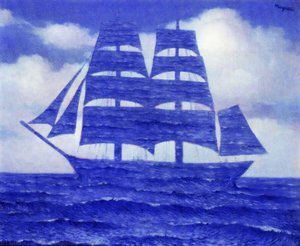
Blue cinema
Afmetingen reproductie
René Magritte’s “Blue Cinema,” painted in 1925, is more than just a depiction of a woman posing before a cinema; it’s a meticulously constructed meditation on perception, identity, and the deceptive nature of reality. Executed during a pivotal moment in Magritte's artistic development – a period marked by his burgeoning interest in Surrealism while retaining a strong connection to classical painting techniques – this work exemplifies his signature style: a deliberate disruption of familiar visual conventions.
Painted in 1925, “Blue Cinema” reflects Magritte's early explorations into Surrealist themes while firmly rooted in the traditions of Flemish realism. He was deeply influenced by artists like Jan van Eyck, known for his meticulous detail and exploration of optics, a fascination that would become central to Magritte’s own approach. The painting’s precise rendering – the smooth application of paint, the careful modeling of form – speaks to this influence. However, unlike Van Eyck's often celebratory depictions, Magritte employs these techniques to create an atmosphere of unease and ambiguity. The use of a photographic style, reminiscent of early advertising photography, adds another layer of complexity, blurring the lines between reality and representation.
"Blue Cinema" resonates with profound symbolic weight, echoing themes that would become recurring motifs in Magritte's oeuvre. The cinema itself represents a constructed reality, an illusion designed to entertain and captivate. The woman’s pose – poised yet distant – suggests a questioning of identity and the role of the observer. The obscured face of her mother, subtly alluded to through the painting’s overall mood and the recurring motif of veiled figures, is perhaps most powerfully felt here. This echoes Magritte's personal trauma and his lifelong preoccupation with hidden truths and the impossibility of truly knowing another person or their world.
Most-Famous-Paintings.com is proud to offer a meticulously crafted hand-painted reproduction of René Magritte’s “Blue Cinema.” This exceptional piece captures the essence of Magritte's genius, allowing you to bring this iconic artwork into your home or office. Perfect for collectors seeking a statement piece, or interior designers looking to infuse their spaces with a touch of Surrealist intrigue, this reproduction is an investment in art history and a testament to Magritte’s enduring legacy.

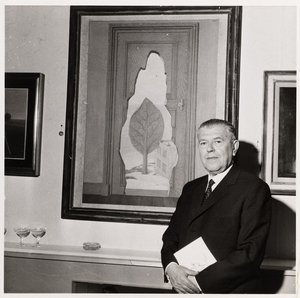
1898 - 1967 , België

Explore the profound mystery of René Magritte’s 'The Treachery of Images.' Dive into an expert analysis of his Surrealist philosophy, the paradox of representation, and how he challenged reality through the interplay of language and visual perception.

Elevate your design projects with Most-Famous-Paintings's premium canvas prints and hand-painted reproductions. Discover affordable, museum-quality wall decor delivered worldwide, offering freelance decorators professional excellence, archival durability, and bespoke customization for every space.


Blijf op de hoogte van het laatste kunstnieuws, exclusieve aanbiedingen en decoratie-ideeën.
Vertel ons over uw project en onze kunstexperts geven u 3 gepersonaliseerde kunstsuggesties.
Wij stellen drie opties speciaal voor u samen – gratis!


 Voorvertoning
 Verstuur
 Delen
Delen
 Details bekijken

 Download
 Vergelijkbare items
 Röntgenonderzoek
 Diavoorstelling

 Lees meer







 De optie voor glas is alleen beschikbaar bij een formaat kleiner dan 110 cm.