x

Met de hand geschilderd in olieverf op canvas in uw gewenste maat en lijst, op bestelling gemaakt door onze kunstenaars. ( Bestel print Koop afbeelding)





























Kies uit onze vooraf ingestelde maten die overeenkomen met de originele verhoudingen van het kunstwerk.

U kunt uw eigen afmetingen invoeren om in een specifieke lijst of ruimte te passen. Als de door u gekozen maat niet overeenkomt met de verhoudingen van het originele beeld, zullen we het kunstwerk bijsnijden of het schilderij uitbreiden met extra handgeschilderde elementen. Een digitale mockup wordt ter goedkeuring naar u verzonden voordat de productie begint.
Houd er rekening mee dat de preview op het scherm niet de werkelijke uitsnede of uitbreiding weergeeft. Alleen de mockup toont de uiteindelijke compositie nauwkeurig.
Hoewel aangepaste afmetingen mogelijk zijn, raden we aan een maat uit de vooraf gedefinieerde lijst te selecteren om de originele verhoudingen te behouden.
Wereldwijde levering () binnen 3 tot 4 weken in plaats van de standaard 5 weken. (19 augustus). Zonder concessies aan de kwaliteit.


Pleasure
Afmetingen reproductie
René Magritte's “Pleasure,” painted around 1965, is not merely a depiction of a woman and birds; it’s an immersion into the unsettling logic of the subconscious. This arresting image, characterized by its stark contrasts and dreamlike quality, exemplifies Magritte’s signature style – a deliberate disruption of reality designed to provoke contemplation on perception, identity, and the hidden anxieties lurking beneath the surface of everyday life. The painting's immediate impact is undeniably disturbing, yet it possesses an undeniable beauty rooted in its meticulous execution and profound thematic concerns.
Magritte's technique is characterized by its precise realism applied to utterly illogical scenarios. He meticulously rendered each element – the woman’s white collar, the texture of the tree bark, the feathers of the birds – with a level of detail that heightens the painting’s unsettling effect. This hyperrealism serves not to depict reality faithfully but rather to amplify the strangeness of the scene. The use of muted colors—primarily browns, whites, and grays—contributes to the overall mood of quiet contemplation and subtle horror. His brushwork is smooth and controlled, reflecting a deliberate rejection of Impressionistic spontaneity in favor of a more intellectual approach to representation.
The symbolism within “Pleasure” is layered and open to interpretation, deeply rooted in Magritte’s personal history. The most significant element is undoubtedly the woman's face, bearing traces of blood – a direct reference to his mother’s death by drowning when he was thirteen. This event, a pivotal moment that shaped his entire artistic trajectory, manifests as a recurring motif throughout his work: veiled figures, obscured identities, and explorations of loss and trauma. The birds themselves are often interpreted as symbols of freedom, but here they seem trapped in a macabre ritual, mirroring the woman’s own sense of confinement within her memories.
"Pleasure" was created during a period when Surrealism was evolving beyond its initial focus on dreamlike imagery. Magritte's work increasingly explored philosophical questions about reality and representation, reflecting the broader intellectual currents of the mid-20th century. The painting’s emotional impact is profound – it evokes feelings of anxiety, disorientation, and a deep sense of melancholy. It’s a reminder that beneath the veneer of everyday life lies a world of hidden emotions and unresolved traumas. This piece resonates with collectors seeking works that challenge conventional perceptions and invite prolonged contemplation.

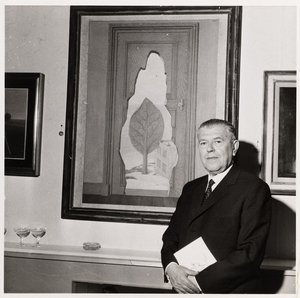
1898 - 1967 , België

Explore the profound mystery of René Magritte’s 'The Treachery of Images.' Dive into an expert analysis of his Surrealist philosophy, the paradox of representation, and how he challenged reality through the interplay of language and visual perception.

Elevate your design projects with Most-Famous-Paintings's premium canvas prints and hand-painted reproductions. Discover affordable, museum-quality wall decor delivered worldwide, offering freelance decorators professional excellence, archival durability, and bespoke customization for every space.


Blijf op de hoogte van het laatste kunstnieuws, exclusieve aanbiedingen en decoratie-ideeën.
Vertel ons over uw project en onze kunstexperts geven u 3 gepersonaliseerde kunstsuggesties.
Wij stellen drie opties speciaal voor u samen – gratis!


 Voorvertoning
 Verstuur
 Delen
Delen
 Details bekijken

 Download
 Vergelijkbare items
 Röntgenonderzoek
 Diavoorstelling

 Lees meer







 De optie voor glas is alleen beschikbaar bij een formaat kleiner dan 110 cm.