


x

Giclée- of canvasafdruk van museumkwaliteit met een snelle productie en flexibele afwerkingsmogelijkheden. ( Bestel handgeschilderde reproductie Koop afbeelding)





























Kies uit onze vooraf ingestelde maten die overeenkomen met de originele verhoudingen van het kunstwerk.

U kunt uw eigen afmetingen opgeven om in een specifieke lijst of ruimte te passen. Als de door u gekozen maat niet overeenkomt met de proporties van het originele kunstwerk, zullen wij de afbeelding bijsnijden of uitbreiden met een gespiegelde of effen rand. Een digitaal mockup wordt ter goedkeuring naar u verzonden voordat de productie begint.
Houd er rekening mee dat de preview op het scherm de werkelijke bijsneding of uitbreiding niet weergeeft. Alleen de mockup toont de uiteindelijke compositie nauwkeurig.
Hoewel aangepaste maten beschikbaar zijn, raden wij aan een afmeting uit de vooraf bepaalde lijst te kiezen om de originele proporties te behouden.
Wereldwijde levering () binnen 2 weken in plaats van de standaard 4/5 weken. (22 augustus)


The fine idea
Afmetingen reproductie
René Magritte’s 1964 painting, “The Fine Idea,” is not merely a depiction of a horse; it’s an invitation to question the very nature of reality. This surrealist masterpiece, rendered with Magritte’s signature meticulous technique, presents a profoundly unsettling yet captivating scene – a horse bearing a miniature castle upon its head, set within the tranquil depths of a forest. The image immediately arrests the viewer, forcing a confrontation with the illogical and inviting contemplation on themes of illusion, power, and the hidden dimensions of human perception.
Magritte’s approach to painting was characterized by an almost photographic realism, meticulously executed yet imbued with a deliberate strangeness. “The Fine Idea” exemplifies this perfectly. The horse is rendered with painstaking detail – the texture of its coat, the glint in its eye – creating a startlingly lifelike image that immediately draws the viewer in. Yet, the castle perched upon its head defies logic and disrupts any sense of conventional representation. His use of muted colors—primarily browns, greens, and blues—contributes to the painting’s dreamlike quality, further distancing it from the constraints of everyday reality. The brushstrokes are subtle, almost invisible, contributing to the overall illusionistic effect.
The symbolism within “The Fine Idea” is rich and open to interpretation. The castle, a traditional symbol of power and royalty, placed on the head of an animal immediately raises questions about authority, control, and perhaps even the absurdity of human ambition. Some scholars suggest that the horse represents humanity itself, burdened by its own aspirations and delusions. Magritte’s recurring motif of veiled figures – hinted at in his early work following his mother's death – is subtly present here, suggesting a hidden reality obscured from our immediate perception. The horse’s gaze, directed off-camera, adds to the painting’s enigmatic quality, inviting the viewer to become an active participant in the scene and contemplate their own role as observers.
"The Fine Idea" was created during a period of significant artistic experimentation, reflecting the broader trends within Surrealism. Magritte, along with artists like Salvador Dalí, sought to challenge conventional notions of reality through dreamlike imagery and illogical juxtapositions. This painting stands as a testament to his enduring influence on 20th-century art, continuing to provoke thought and inspire awe decades after its creation. Its meticulous detail combined with surreal elements makes it a compelling piece for collectors and interior designers seeking unique artwork that sparks conversation and contemplation.

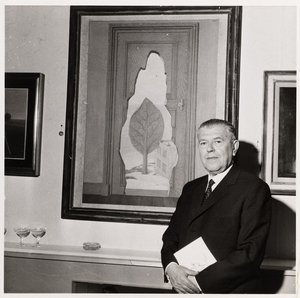
1898 - 1967 , België

Explore the profound mystery of René Magritte’s 'The Treachery of Images.' Dive into an expert analysis of his Surrealist philosophy, the paradox of representation, and how he challenged reality through the interplay of language and visual perception.

Elevate your design projects with Most-Famous-Paintings's premium canvas prints and hand-painted reproductions. Discover affordable, museum-quality wall decor delivered worldwide, offering freelance decorators professional excellence, archival durability, and bespoke customization for every space.


Blijf op de hoogte van het laatste kunstnieuws, exclusieve aanbiedingen en decoratie-ideeën.
Vertel ons over uw project en onze kunstexperts geven u 3 gepersonaliseerde kunstsuggesties.
Wij stellen drie opties speciaal voor u samen – gratis!


 Voorvertoning
 Verstuur
 Delen
Delen
 Details bekijken

 Download
 Vergelijkbare items
 Röntgenonderzoek
 Diavoorstelling

 Lees meer







 De optie voor glas is alleen beschikbaar bij een formaat kleiner dan 110 cm.


