


x


 Preview
 Bestel schilderij Koop afbeelding in hoge resolutie
 Verstuur
 Details bekijken
 Toevoegen aan favorieten
 Download
 Vergelijkbare werken
 Röntgenonderzoek
 Diavoorstelling
Giclée- of canvasafdruk van museumkwaliteit met snelle productie en flexibele afwerkingsopties.





























Kies uit onze vooraf ingestelde maten die overeenkomen met de originele verhoudingen van het kunstwerk.

U kunt uw eigen afmetingen opgeven om in een specifieke lijst of ruimte te passen. Als de door u gekozen maat niet overeenkomt met de proporties van het originele kunstwerk, zullen wij de afbeelding bijsnijden of uitbreiden met een gespiegelde of effen rand. Een digitaal mockup wordt ter goedkeuring naar u verzonden voordat de productie begint.
Houd er rekening mee dat de preview op het scherm de werkelijke bijsneding of uitbreiding niet weergeeft. Alleen de mockup toont de uiteindelijke compositie nauwkeurig.
Hoewel aangepaste maten beschikbaar zijn, raden wij aan een afmeting uit de vooraf bepaalde lijst te kiezen om de originele proporties te behouden.
Wereldwijde levering () binnen 2 weken in plaats van de standaard 4/5 weken. (24 juli)


Window, Eiffel Tower
Afmetingen reproductie
Robert Delaunay's “Window, Eiffel Tower” (1910) is more than just a depiction of Paris’ iconic landmark; it’s a vibrant embodiment of the Orphism movement – a radical artistic exploration of color and form that fundamentally shifted the course of 20th-century art. This captivating painting, rendered in bold strokes of red and black against a backdrop of stark white curtains, immediately draws the viewer into a world where architectural precision yields to an intensely emotional response to light and hue. Delaunay wasn’t interested in creating a photographic representation; instead, he sought to distill the essence of the Eiffel Tower – its power, its presence, and the way it interacts with the surrounding environment – through a carefully orchestrated visual language.
Created during a period of immense artistic upheaval, “Window, Eiffel Tower” emerged from Delaunay’s pioneering work within the burgeoning Orphism movement. Co-founded by his wife, Sonia Delaunay, and fellow artists like František Kupka, Orphism rejected traditional representational art in favor of abstract compositions dominated by intense, non-naturalistic colors. Influenced by theories of color developed by Michel Eugène Chevreul and later championed by the younger generation of artists, Delaunay believed that color itself possessed inherent expressive power – a belief reflected powerfully in this work. The geometric shapes employed aren’t merely decorative; they are fundamental building blocks used to dissect and reassemble visual experience, creating a dynamic interplay between form and color.
Delaunay's technique is characterized by loose, expressive brushstrokes applied with a confident hand. The red and black hues aren’t blended smoothly; instead, they are juxtaposed to create areas of sharp contrast and visual vibration. This deliberate lack of blending contributes significantly to the painting’s energetic feel. The white curtains serve not just as a backdrop but as active participants in the composition, reflecting and refracting light, further intensifying the color palette. The simplified geometric forms – squares, rectangles, and triangles – are strategically placed to guide the viewer's eye across the canvas, creating a sense of movement and dynamism. Notice how Delaunay uses overlapping planes to create an illusion of depth, pulling the viewer into the scene.
“Window, Eiffel Tower” transcends a simple cityscape depiction; it’s imbued with layers of symbolic meaning. The Eiffel Tower itself, a symbol of modernity and technological progress, is presented in a state of abstracted beauty, suggesting a harmonious relationship between the industrial age and artistic expression. The window frame acts as a framing device, inviting the viewer to step into the scene and experience the painting’s emotional resonance. The overall effect is one of optimism, energy, and a profound appreciation for the transformative power of color. It's a testament to Delaunay's ability to capture not just what he saw, but how he *felt* about it – a deeply subjective and intensely beautiful response to one of the world’s most iconic structures.

1885 - 1941 , Frankrijk

Ontdek de nuances tussen Impressionisme en Post-Impressionisme. Expertadvies voor kunstverzamelaars over investeren in tijdloze meesterwerken van Monet, Van Gogh & Cézanne.
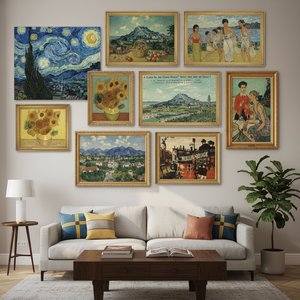
Ontdek de 10 meest iconische meesterwerken van het Post-Impressionisme! Van Gogh, Monet, Cézanne en meer. Leer over hun technieken & emoties achter deze tijdloze kunst. Museumkwaliteit reproducties op Most-Famous-Paintings.com – Kunst voor uw interieur.
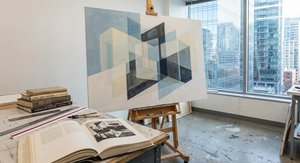
Explore the captivating world of geometric abstraction! Discover its origins, key artists like Malevich & Mondrian, and why this movement remains highly valued by art collectors today. Expert insights at Most-Famous-Paintings.

Explore Orphism, the vibrant abstract art movement pioneered by Robert & Sonia Delaunay. Discover its unique color theory, lasting influence on modern art, and how to bring this 'symphony of color' into your home with Most-Famous-Paintings.

Explore the evolution of geometric abstraction from Cubism to contemporary art. Discover key artists like Malevich & Mondrian, investment insights, and expert collecting advice at Most-Famous-Paintings.


Blijf op de hoogte van het laatste kunstnieuws, exclusieve aanbiedingen en decoratie-ideeën.
Vertel ons over uw project en onze kunstexperts geven u 3 gepersonaliseerde kunstsuggesties.
Wij stellen 3 opties speciaal voor u samen – Gratis!


 Delen
Delen


 Lees meer







 De optie voor glas is alleen beschikbaar bij een formaat kleiner dan 110 cm.


