x

 Acrylic On CanvasWallArtEarly Netherlandish
 1455
1455 77.0 x 48.0 cm
 Staatliche Museen zu Berlin
Giclée- of canvasafdruk van museumkwaliteit met een snelle productie en flexibele afwerkingsmogelijkheden. ( Bestel handgeschilderde reproductie Koop afbeelding)





























Kies uit onze vooraf ingestelde maten die overeenkomen met de originele verhoudingen van het kunstwerk.

U kunt uw eigen afmetingen opgeven om in een specifieke lijst of ruimte te passen. Als de door u gekozen maat niet overeenkomt met de proporties van het originele kunstwerk, zullen wij de afbeelding bijsnijden of uitbreiden met een gespiegelde of effen rand. Een digitaal mockup wordt ter goedkeuring naar u verzonden voordat de productie begint.
Houd er rekening mee dat de preview op het scherm de werkelijke bijsneding of uitbreiding niet weergeeft. Alleen de mockup toont de uiteindelijke compositie nauwkeurig.
Hoewel aangepaste maten beschikbaar zijn, raden wij aan een afmeting uit de vooraf bepaalde lijst te kiezen om de originele proporties te behouden.
Wereldwijde levering () binnen 2 weken in plaats van de standaard 4/5 weken. (20 augustus)


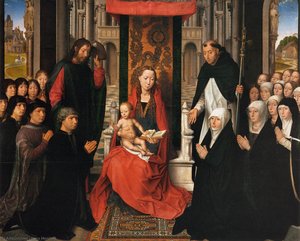
St John Altarpiece (left panel)
Afmetingen reproductie
In the quiet, luminous corridors of the Early Netherlandish Renaissance, few moments capture the profound intersection of the human and the divine as exquisitely as Rogier van der Weyden’s St John Altarpiece (left panel). This masterpiece, dating from approximately 1455, serves as a breathtaking window into a sacred narrative, specifically focusing on the birth of Saint John the Baptist. As the viewer gazes upon this panel, they are not merely observing a historical or religious event; they are invited into an intimate, domestic sanctuary where every fold of fabric and every soft shadow whispers of sanctity. The scene is set within a meticulously rendered interior, where the presence of a bed and a simple chair grounds the celestial miracle in a tangible, earthly reality, making the miraculous feel profoundly accessible to the faithful.
The composition is anchored by the tender interaction between the women present, whose medieval attire—richly textured and draped with heavy, sculptural elegance—reflects the artist's unparalleled mastery of form. One woman cradles a newborn with a protective grace, while another stands nearby, her presence adding to the sense of a shared, solemn ceremony. The light in the painting does not merely illuminate; it caresses the skin of the infants and the heavy velvets of the garments, creating a soft, ethereal glow that is characteristic of van der Weyden’s emotive style. This interplay of light and shadow breathes life into the figures, transforming a static religious icon into a living, breathing moment of maternal devotion and spiritual anticipation.
To behold a work by Rogier van der Weyden is to witness the pinnacle of oil painting technique. Having likely trained as a goldsmith, the artist brought an obsessive, reverent attention to detail that revolutionized Northern European art. In this left panel, his ability to render textures—the crispness of linen, the weight of wool, and the delicate smoothness of infant skin—is nothing short of miraculous. This precision serves a higher purpose than mere decoration; it is a vehicle for emotional realism. Unlike the more detached compositions of some of his contemporaries, van der Weyden imbues his subjects with a palpable psychological depth. There is a quiet, contemplative stillness in the room, yet beneath the surface, one can sense the profound weight of the destiny awaiting the child.
For the discerning collector or interior designer, this piece offers more than just historical significance; it provides a focal point of immense character and sophistication. The subtle symbolism embedded within the domestic setting—the clock on the wall marking the passage of mortal time against the eternal nature of the saint's birth—offers layers of intellectual engagement. A high-quality reproduction of this panel brings with it an atmosphere of timelessness and quiet luxury, making it an ideal centerpiece for a space dedicated to reflection, classical elegance, or scholarly pursuit. It is a work that does not shout for attention but commands it through its profound beauty and the silent, powerful storytelling found within its gilded borders.

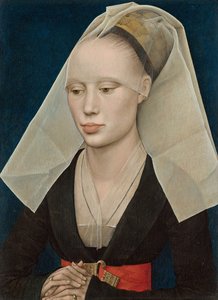
1400 - 1464 , België

Ontdek de 25 mooiste meesterwerken van John Singer Sargent! Van elegante portretten tot impressionistische schilderijen – leer over zijn leven, techniek & impact. Museumkwaliteit reproducties voor uw interieur op Most-Famous-Paintings.com.
Ontdek de 25 mooiste schilderijen van John Constable, meester van de Engelse Romantiek. Van idyllische landschappen tot iconische Hay Wain – bewonder zijn techniek en emotie. Museumkwaliteit reproducties & decoratie op Most-Famous-Paintings.com.

Journey through High Medieval Art! Explore 10 iconic masterpieces – from Giotto's frescoes to stunning Gothic cathedrals. Discover the stories behind these timeless paintings, sculptures & illuminated manuscripts. Find museum-quality art reproductions at Most-Famous-Paintings.com.

Ontdek de top 25 meesterwerken van El Greco! Duik in het leven en werk van deze renaissance schilder, zijn spirituele kunst & dramatische stijl. Vind museumkwaliteit reproducties voor uw interieur op Most-Famous-Paintings.com.

Journey through 10 defining Late Medieval masterpieces – from Giotto's frescoes to Jan van Eyck’s realism. Explore the stories, techniques & vibrant colors of Gothic art. Find museum-quality reproductions and elevate your home decor with Most-Famous-Paintings.com! Discover all masterpieces on Most-Famous-Paintings.com


Blijf op de hoogte van het laatste kunstnieuws, exclusieve aanbiedingen en decoratie-ideeën.
Vertel ons over uw project en onze kunstexperts geven u 3 gepersonaliseerde kunstsuggesties.
Wij stellen drie opties speciaal voor u samen – gratis!


 Voorvertoning
 Verstuur
 Delen
Delen
 Details bekijken

 Download
 Vergelijkbare items
 Röntgenonderzoek
 Diavoorstelling
 Lees meer







 De optie voor glas is alleen beschikbaar bij een formaat kleiner dan 110 cm.