x

Giclée- of canvasafdruk van museumkwaliteit met een snelle productie en flexibele afwerkingsmogelijkheden. ( Bestel handgeschilderde reproductie Koop afbeelding)





























Kies uit onze vooraf ingestelde maten die overeenkomen met de originele verhoudingen van het kunstwerk.

U kunt uw eigen afmetingen opgeven om in een specifieke lijst of ruimte te passen. Als de door u gekozen maat niet overeenkomt met de proporties van het originele kunstwerk, zullen wij de afbeelding bijsnijden of uitbreiden met een gespiegelde of effen rand. Een digitaal mockup wordt ter goedkeuring naar u verzonden voordat de productie begint.
Houd er rekening mee dat de preview op het scherm de werkelijke bijsneding of uitbreiding niet weergeeft. Alleen de mockup toont de uiteindelijke compositie nauwkeurig.
Hoewel aangepaste maten beschikbaar zijn, raden wij aan een afmeting uit de vooraf bepaalde lijst te kiezen om de originele proporties te behouden.
Wereldwijde levering () binnen 2 weken in plaats van de standaard 4/5 weken. (16 augustus)


Athene And The Centaur
Afmetingen reproductie
Sandro Botticelli’s “Athene and the Centaur,” a captivating oil painting from around 1482, isn't merely a depiction of mythological figures; it’s a carefully constructed allegory brimming with symbolism and reflecting the intellectual currents of the burgeoning Renaissance. This work, now housed within the Uffizi Gallery in Florence, offers a glimpse into Botticelli’s masterful command of classical themes, his meticulous attention to detail, and his ability to imbue seemingly simple scenes with profound meaning. The painting immediately draws the eye to Victoria – often identified as Pallas Athena, the Greek goddess of wisdom and strategic warfare – who stands poised and resolute in the foreground. Her armor, a testament to her authority, is adorned with laurel wreaths, symbols of victory and intellectual prowess. She’s not simply observing; she's actively intervening, grasping the centaur’s hair with a decisive gesture that halts his predatory advance.
The central figure of the centaur presents a compelling counterpoint to Victoria’s controlled power. He embodies primal instinct, untamed desire, and the allure of the natural world – a potent force constantly battling against reason and restraint. His muscular physique and aggressive stance suggest a raw, almost animalistic energy, while his bow is drawn, poised to unleash a deadly shot. The dynamic triangular composition—Victoria, the centaur, and the implied architectural backdrop—creates a sense of movement and tension, mirroring the ongoing struggle between opposing forces. Botticelli’s skill lies not just in rendering these figures realistically, but in conveying their inherent drama through posture, gesture, and expression.
Botticelli's technique is characterized by a remarkable layering of oil paints, building up complex forms and textures with painstaking precision. The artist masterfully employs chiaroscuro – the dramatic contrast between light and shadow – to highlight Victoria’s regal presence, casting her in a radiant glow while simultaneously emphasizing the darkness surrounding the centaur. Notice how the folds of his clothing are rendered with meticulous detail, mimicking the texture of fabric through subtle brushstrokes. Similarly, the landscape behind them—a river flowing towards distant hills—is painted with atmospheric perspective, creating a sense of depth and space that anchors the scene within a believable world.
The color palette is predominantly earthy – ochres, browns, and greens – punctuated by flashes of gold, particularly in Victoria’s armor and the architectural elements. This restrained use of vibrant hues contributes to the painting's overall sense of solemnity and gravitas. Botticelli’s attention to detail extends beyond mere representation; he uses color to subtly reinforce the symbolic meaning of the scene. The green foliage surrounding the centaur, for example, might represent the untamed wilderness from which he originates, while Victoria’s golden armor symbolizes her divine authority and victory over earthly passions.
“Athene and the Centaur” is deeply rooted in classical mythology. The story it depicts draws upon ancient Greek tales of Pallas Athena's confrontation with a centaur who attempted to seduce or harm her. However, Botticelli doesn’t simply recreate this myth; he transforms it into an allegory for broader Renaissance concerns. During the 15th century, Florence was experiencing a renewed interest in classical learning and philosophy, fueled by the rediscovery of ancient Greek texts. Humanists like Botticelli sought to integrate classical ideals—such as reason, virtue, and the balance between opposing forces—into their art.
The painting can be interpreted as an exploration of the tension between intellect and instinct, order and chaos. Victoria represents the triumph of reason and virtue over primal desires, while the centaur embodies the untamed instincts that threaten to disrupt social harmony. Furthermore, the inclusion of the Medici family’s emblem – three interlocking rings – on Victoria's attire suggests a deliberate connection to the powerful Florentine banking dynasty, subtly aligning the painting with their patronage and aspirations for civic virtue. It is a work rich in layers of meaning, inviting viewers to contemplate the complexities of human nature and the enduring power of classical ideals.
Botticelli’s “Athene and the Centaur” remains a profoundly moving and intellectually stimulating artwork. Most-Famous-Paintings offers meticulously crafted hand-painted reproductions that capture the essence of this Renaissance masterpiece, allowing you to bring its beauty and symbolism into your home or office. Our skilled artists faithfully recreate Botticelli's intricate details, vibrant colors, and dramatic lighting, ensuring that your reproduction is a true work of art in its own right. Whether you’re an art enthusiast, a collector, or simply seeking a stunning piece of décor, a Most-Famous-Paintings reproduction of “Athene and the Centaur” offers a timeless connection to one of the Renaissance's greatest artistic achievements.

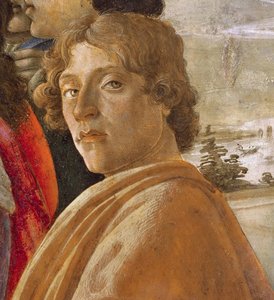
1445 - 1510 , Italië

Explore the rigorous beauty of Academic Classicism. Discover the principles of order, precision, and historical reverence that define this timeless art movement through an expert guide to its enduring legacy and technical mastery.

Explore the profound history and technical brilliance of oil on panel painting. From Renaissance masters to modern techniques, discover why this rigid support offers unparalleled precision and permanence for fine art lovers and collectors.


Blijf op de hoogte van het laatste kunstnieuws, exclusieve aanbiedingen en decoratie-ideeën.
Vertel ons over uw project en onze kunstexperts geven u 3 gepersonaliseerde kunstsuggesties.
Wij stellen drie opties speciaal voor u samen – gratis!


 Voorvertoning
 Verstuur
 Delen
Delen
 Details bekijken

 Download
 Vergelijkbare items
 Röntgenonderzoek
 Diavoorstelling

 Lees meer







 De optie voor glas is alleen beschikbaar bij een formaat kleiner dan 110 cm.