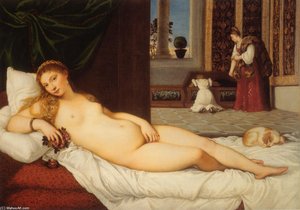
x

 Olieverf op canvasWanddecoratieRenaissance
 1560
1560 124.0 x 96.0 cm
 Gallerie dell’Accademia
Giclée- of canvasafdruk van museumkwaliteit met een snelle productie en flexibele afwerkingsmogelijkheden. ( Bestel handgeschilderde reproductie Koop afbeelding)





























Kies uit onze vooraf ingestelde maten die overeenkomen met de originele verhoudingen van het kunstwerk.

U kunt uw eigen afmetingen opgeven om in een specifieke lijst of ruimte te passen. Als de door u gekozen maat niet overeenkomt met de proporties van het originele kunstwerk, zullen wij de afbeelding bijsnijden of uitbreiden met een gespiegelde of effen rand. Een digitaal mockup wordt ter goedkeuring naar u verzonden voordat de productie begint.
Houd er rekening mee dat de preview op het scherm de werkelijke bijsneding of uitbreiding niet weergeeft. Alleen de mockup toont de uiteindelijke compositie nauwkeurig.
Hoewel aangepaste maten beschikbaar zijn, raden wij aan een afmeting uit de vooraf bepaalde lijst te kiezen om de originele proporties te behouden.
Wereldwijde levering () binnen 2 weken in plaats van de standaard 4/5 weken. (19 augustus)


Maagd en Kind
Afmetingen reproductie
Tiziano Vecellio, algemeen bekend als Titiaan, staat als een van de meest centrale figuren in de geschiedenis van de westerse kunst—een schilder die ons begrip van kleur en licht fundamenteel heeft hervormd. Zijn meesterwerk uit 1560, “Maagd en Kind,” bewaard in de Gallerie dell’Accademia in Venetië, is niet slechts een devotionele afbeelding; het is een levendig getuigenis van zijn revolutionaire stijl en diepgaande artistieke genie. Dit schilderij overstijgt zijn religieuze onderwerp en biedt een blik in het hart van het Renaissancehumanisme en de opkomende geest van de Venetiaanse kunst.
De scène ontvouwt zich met adembenemende intimiteit: de Maagd Maria, sereen en stralend, houdt het baby-Jezus in haar armen. De compositie is misleidend eenvoudig maar diepgaand krachtig—een verticale opstelling die het oog direct naar de centrale figuren trekt. Een delicaat sluierje versiert Mary’s hoofd, een subtiele knipoog naar religieus symbolisme, terwijl twee jeugdige bedienden de hoofdpersonen flankeren, wat diepte en een gevoel van narratief kader toevoegt. Een rijke karmozijnrode gordijn op de achtergrond fungeert als een dramatische achtergrond, waardoor warmte en visueel belang in de anderszins contemplatieve ruimte komen.
Titiaans genie lag niet alleen in zijn onderwerpkeuze, maar ook in zijn ongeëvenaarde beheersing van kleur. Dit schilderij belichaamt zijn latere stijl—gekenmerkt door krachtige penseelstreken, een bijna extatisch gebruik van pigment en een opmerkelijke vermogen om vormen en ruimte te laten samensmelten. Hij vermeed het minutieuze detail dat sommige van zijn tijdgenoten prefereerden, en koos in plaats daarvan voor losse, expressieve streken die een gevoel van schitterende luminositeit creëren. De kleuren worden niet zomaar aangebracht; ze lijken te vibreren van leven—de diepblauwe tinten van Mary’s gewaden, de warme okerkleuren van Jezus’ huid en de levendige roden van het gordijn dragen allemaal bij aan een overweldigende zintuiglijke ervaring.
Titiaans techniek omvatte het opbouwen van olieverf in dunne glazes, waarbij hij geleidelijk kleur opbouwde om ongelooflijke diepte en rijkdom te bereiken. Hij manipuleerde licht en schaduw meesterlijk, waardoor een gevoel van etherische schoonheid ontstond dat voor zijn tijd geheel nieuw was. Dit meesterlijke vermengen van vormen en ruimte—een kenmerk van zijn stijl—beïnvloedde generaties kunstenaars en vestigde hem als een centrale figuur in de evolutie van de westerse schilderkunst.
Voorbij zijn esthetische kwaliteiten zit “Maagd en Kind” vol symbolische betekenis. Het voeden vertegenwoordigt niet alleen levensonderhoud, maar ook goddelijke liefde—een diepe band tussen moeder en kind die de kernprincipes van het christelijk geloof belichaamt. De aanwezigheid van de twee bedienden kan geïnterpreteerd worden als allegorische figuren die Genade en Trouw vertegenwoordigen, wat het spirituele verhaal van het schilderij verder verrijkt.
De keuze voor rood voor het gordijn is bijzonder significant. Rood werd geassocieerd met royalty, offer en goddelijke genade—elementen die de heilige aard van de scène benadrukken. De algehele sfeer van het schilderij roept een gevoel op van sereniteit, tederheid en eerbied—een krachtig bewijs van de blijvende aantrekkingskracht van moederschap en de mysteries van het geloof.
Titiaans “Maagd en Kind” is meer dan slechts een mooi schilderij; het is een hoeksteen van de Renaissancekunst. Zijn innovatieve benadering van kleur, zijn meesterlijke gebruik van licht en schaduw, en zijn bereidheid om af te wijken van traditionele conventies, banen de weg voor toekomstige generaties kunstenaars—van Rafaël en Michelangelo tot Rembrandt en verder. Zijn nalatenschap blijft eeuwen na zijn creatie verwondering en bewondering inspireren.
Voor degenen die een hoogwaardige reproductie van dit iconische meesterwerk zoeken, bezoek Titiaan’s ‘Maagd en Kind’ op Most-Famous-Paintings.com. Om dieper in het leven en de werken van Titiaan te duiken, bekijk zijn Wikipedia pagina: Titiaan op Wikipedia.

Tiziano Vecellio, even more famously known as Titian, stands as a monumental figure of the Italian Renaissance—perhaps its most celebrated colorist and a master who fundamentally reshaped the possibilities of oil painting. Born around 1490 in Pieve di Cadore, nestled amidst the dramatic landscapes of the Venetian Alps, his journey from humble beginnings to international acclaim is a testament to prodigious talent and an unwavering dedication to artistic innovation. The details surrounding Titian’s early life remain somewhat shrouded in mystery, but we know he was one of several children born to Gregorio Vecellio, a military man, and Lucia. Recognizing their sons' potential, the family arranged for young Tiziano and his brother Francesco to apprentice with an artist in Venice—a decision that would irrevocably alter the course of art history.
Venice at the turn of the 16th century was a vibrant hub of commerce, culture, and artistic ferment. Titian’s initial training took place within the workshop of Sebastiano Zuccato, a mosaicist, followed by brief periods under the tutelage of Gentile Bellini and, crucially, his brother Giovanni. However, it was his association with Giorgione—a fellow Venetian painter whose work possessed an ethereal poetic quality—that proved most formative. The two artists collaborated on several projects, including the exterior frescoes for the Fondaco dei Tedeschi, a bustling trading post for German merchants. Even in these early works, Titian’s exceptional skill was evident, earning him recognition among his contemporaries and foreshadowing the brilliance that would soon blossom.
Titian’s artistic development can be characterized by a remarkable versatility and an ongoing exploration of painterly techniques. His early works, heavily influenced by Giorgione, exhibit a delicate lyricism and a masterful use of color to create atmospheric effects. Paintings like *A Man with a Quilted Sleeve* (circa 1509) demonstrate his emerging talent for portraiture, capturing not only the physical likeness of his subjects but also their inner character. He favored soft, diffused light and subtle gradations of tone, mirroring Giorgione’s approach. As he matured, Titian began to move away from Giorgione’s delicate subtlety and embrace a bolder, more dramatic approach to color. *The Visitation of Mary and Elizabeth* (now in the Accademia, Venice) exemplifies this shift, showcasing his growing confidence in handling complex compositions and vibrant hues. He experimented with layering colors—often applying thin glazes over dried underpaintings—to achieve luminous effects and intense saturation.
Throughout his long career, Titian consistently pushed the boundaries of artistic expression. He explored a vast range of subjects – mythological scenes, religious narratives, portraits of nobility, and even genre paintings depicting everyday life. He wasn’t afraid to break with convention, often employing unconventional compositions and dramatic lighting. His portraits became renowned for their psychological depth and realistic portrayal of textures and fabrics; he meticulously rendered the sheen of silk, the weight of velvet, and the warmth of skin tones. Simultaneously, he excelled in mythological and religious subjects, imbuing them with a sensuality and dramatic intensity that captivated audiences. A prime example is *Venus of Urbino*, a masterpiece that redefined the depiction of the female nude and established Titian as a leading figure in Venetian painting.
Titian’s talent attracted the attention of powerful patrons from across Europe. He served as court painter to Emperor Charles V, King Philip II of Spain, and Pope Paul III, among others. This patronage not only provided him with financial security but also allowed him to create monumental works that showcased his artistic prowess on a grand scale. His ability to adapt his style to the tastes of different courts while maintaining his own distinctive voice is a testament to his exceptional skill and diplomatic finesse. He was known for his lavish use of gold leaf, particularly in portraits commissioned by royalty, further enhancing their prestige.
Titian’s influence on subsequent generations of artists was profound. From Peter Paul Rubens and Rembrandt to Eugène Delacroix and Édouard Manet, countless painters drew inspiration from his masterpieces. His innovative use of color, his loose brushwork, and his emphasis on capturing the emotional essence of his subjects profoundly influenced their artistic approaches. He is considered a pivotal figure in the transition from the High Renaissance to the Baroque period, paving the way for new artistic styles and techniques.
Titian passed away in Venice in 1576, leaving behind an extraordinary body of work that continues to inspire awe and admiration. His paintings can be found in museums around the world, including the Galleria Palatina in Florence, the Prado Museum in Madrid, and the National Gallery in London. To experience a Titian is to encounter a master craftsman at the peak of his powers—a painter who possessed an unparalleled ability to capture the beauty, drama, and complexity of the human condition.
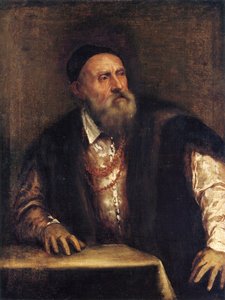
1490 - 1576 , Italië

Explore the rich history & techniques of oil painting – from Renaissance masters to Impressionism. Discover pigments, layering methods, and why this timeless medium endures. Expert insights for artists & art enthusiasts.

Explore the rich history & enduring techniques of oil painting on canvas. Discover the science behind its longevity, conservation practices, and contemporary relevance. Expert insights for art enthusiasts.

Explore the rich history & enduring techniques of oil painting with Most-Famous-Paintings. Discover masterpieces, learn about art collecting, and find authentic handmade reproductions crafted by skilled artists.

Explore the revolutionary techniques & enduring legacy of Titian, the master of Venetian Renaissance portraiture. Discover insights for collectors & appreciate his impact on art history.

Ontdek de rijke geschiedenis en technieken van olieverfschilderen. Van Renaissance meesterwerken tot moderne toepassingen, leer over pigmenten, glazuur en conservering.


Blijf op de hoogte van het laatste kunstnieuws, exclusieve aanbiedingen en decoratie-ideeën.
Vertel ons over uw project en onze kunstexperts geven u 3 gepersonaliseerde kunstsuggesties.
Wij stellen drie opties speciaal voor u samen – gratis!


 Voorvertoning
 Verstuur
 Delen
Delen
 Details bekijken

 Download
 Vergelijkbare items
 Röntgenonderzoek
 Diavoorstelling
 Lees meer







 De optie voor glas is alleen beschikbaar bij een formaat kleiner dan 110 cm.